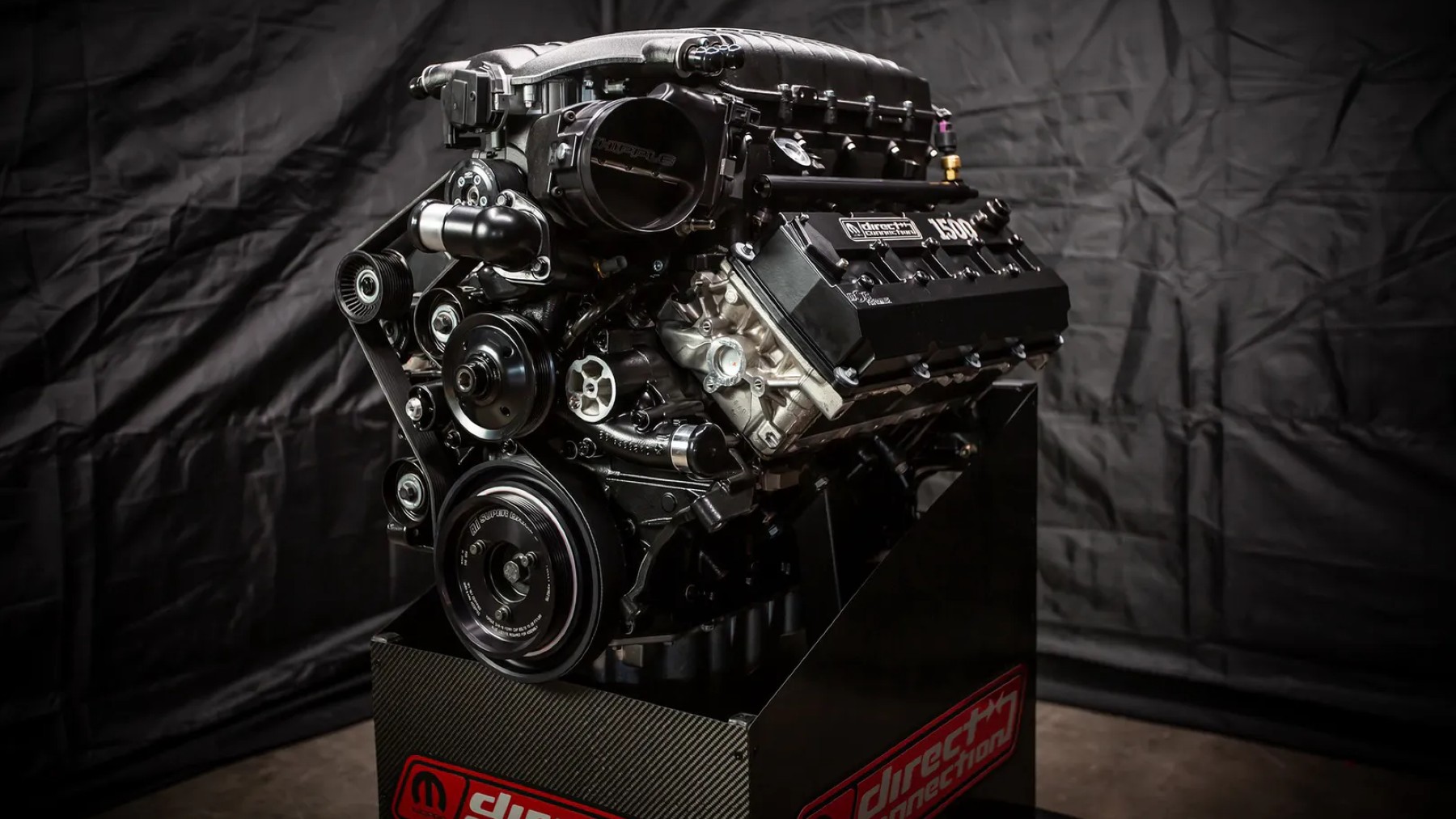
Electrical and hydrogen engines have taken the automobile world by a storm as the world moves towards green energy solutions, now alcohol engines are being thrown into the mix. Union Minister of Road Transport and Highways, Nitin Gadkari, announced that several Indian companies are establishing plants to produce 100 percent ethanol-powered cars and two-wheelers in India.
“Alcohol” engines: Are they viable
To be more precise, ethanol powered engines refer to engines which run on 100% ethanol as a fuel. Current gasoline engines already use ethanol in their fuel. Ethanol burns cleaner than gasoline, producing fewer harmful emissions like carbon monoxide, carbon dioxide, and particulate matter, which helps reduce air pollution and mitigate climate change. Engines designed to run on ethanol, particularly in higher blends like E85 (which contains 85% ethanol), offer improved performance and fuel efficiency while supporting the agricultural sector.
Union Minister Nitin Gadkari has said that companies like Tata Motors and Suzuki are working on developing cars with 100 percent ethanol or flex engines, which could significantly contribute to India’s push for sustainable and eco-friendly transportation. He was also seen traveling in a Toyota car, which he described as the world’s first vehicle equipped with a flex engine that meets Euro 6 emission standards. He further emphasized that the car produces zero emissions when running on ethanol derived from sugarcane juice, molasses, and corn.
Toyota is not the only major automobile brand which has been exploring hydrogen engine solutions. Volkswagen, BMW, Hyundai, and even electrical engine giant Tesla have also made announcements regarding their hydrogen powered cars. Automobile companies are looking towards diversified green energy solutions for their vehicles in order to remain competitive amidst growing concerns for the climate.
Toyota continues to impress with innovation
Not to be restricted by hydrogen innovation, In August 2023, Nitin Gadkari unveiled a prototype of the Toyota Innova HyCross, developed by Toyota Kirloskar, featuring a 100 percent ethanol-based, BS VI-compliant flex-fuel engine. This model can cover 40 percent of its distance using ethanol and the remaining 60 percent with electric power. Toyota plans to transition these prototype vehicles into mass production. Gadkari highlighted the significant benefits that flex-fuel vehicles would bring to farmers, calling ethanol “swadeshi” and emphasizing that farmers would reap all of its advantages.
“Other manufacturers are also working on bringing a flex engine. Just like petrol pumps, our farmers will now have ethanol pumps. We have an import of Rs 16 lakh crores. Such vehicles will reduce pollution, save costs, and benefit farmers… This vehicle works on 100% ethanol…” said Gadkari
While flex-fuel vehicles have been introduced internationally, with Toyota launching a flex-fuel version of its Corolla in 2022, India is now ready to produce its own BS-VI emission standards-compliant flex-fuel vehicles. “The ethanol industry is a boon for farmers, with the demand for ethanol set to increase, reshaping India’s agricultural economy,” says Gadkari, “flex cars will be a boon for farmers. Ethanol is swadeshi and farmers will reap all its benefits. Like petrol pumps ethanol pumps will be there”.