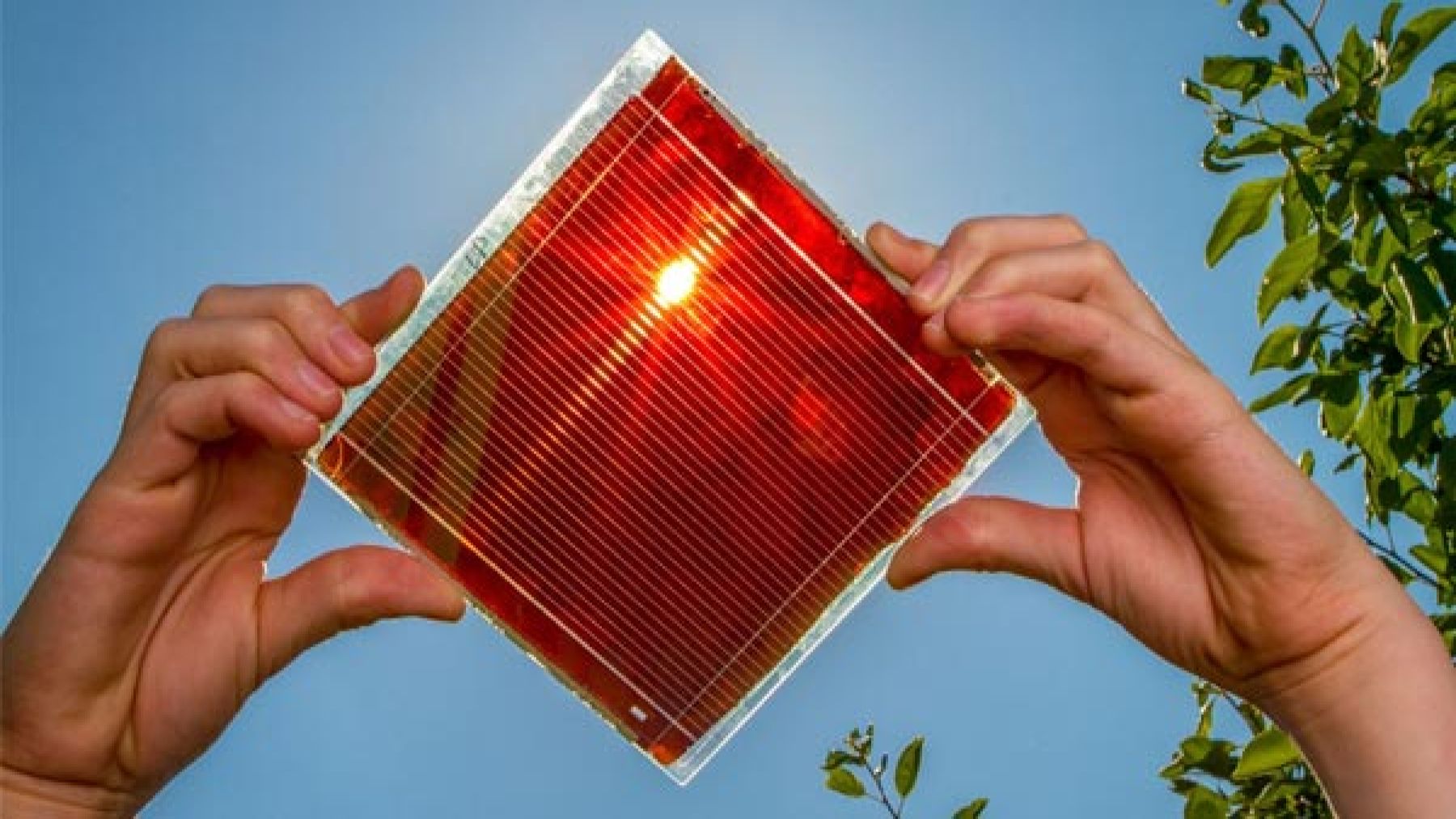
The future of renewable energy could rest on a breakthrough: a solar cell that is cutting edge and can charge any wall, surface, or object to generate electricity.
This new technology, which started with perovskite material, is already showing signs of revolutionizing the industry by helping the world move from the conventional and bulky nature of solar panels and providing opportunities in terms of structure and shape for future energy solutions.
From rigid to flexible: The shift from silicon to perovskite solar cells
The most common type of solar panel has been manufactured from silicon, which, while a suitable material, has drawbacks regarding flexibility and deployment. Silicon cells are heavy and rigid and are mainly used in rooftops and large solar plant systems.
Enter perovskite—a new material engineered to create flexible thin film solar cells that can be applied to any substrate. These cells are only one micron thick, which is 150 times thinner than the conventional silicon panels and, hence, more flexible.
Perovskite cells have also scaled some impressive energy efficiency standards. Due to a multi-junction fashion that helps capture a wider part of the light spectrum, these cells have recorded efficiencies of over 27%. The technology can potentially increase as researchers aim to achieve more than 45% target efficiencies.
Another significant attribute of perovskite solar cells is that they are flexible and can be installed on surfaces that rigid panels cannot be placed on. Think of high-rise buildings with walls that collect solar power or a layer of solar panels on cars, clothes, and bags.
This versatility means harnessing solar energy in previously impossible areas becomes possible. In essence, it potentially makes every surface a power source. This influence is not only about the structural walls and enclosures of the spaces in question.
Perovskite cells may become integrated into ordinary objects like smartphones or electric vehicles one day. This widespread potential may significantly decrease the reliance on a conventional solar farm, thus decentralizing power generation and increasing the availability of clean energy.
Why perovskite solar cells will transform the energy landscape forever
The solar power costs are already 80-90% cheaper than in 2010, and perovskite technology will also make them cheaper. The solar cells’ efficiency is improving, and the perovskite layers are also making the solar cells more affordable to manufacture.
This has made solar energy three times cheaper than fossil fuel, and researchers believe this cost will be reduced further as perovskite is commercialized. A start-up company based at the University of Oxford, Oxford PV, is already progressing toward mass production of perovskite solar cells.
The company plans to manufacture them on a large scale, hoping to reduce the cost of solar power even further to create a market for the product. If successful, this technology could become cheaper and more flexible than fossil fuel electricity, driving the energy revolution towards renewables.
The prospects of perovskite solar cells are not only in increasing the efficiency of the solar cells themselves. Due to their properties, several applications can be achieved that were once unachievable in the case of silicon-based solar technology.
This invention means that we are closer to having energy harvested from any surface and, in this literal sense, from every angle. Think about a world where a building façade responds to the sun’s rays and produces electricity for the building, where cars charge on the move, and where people charge their gadgets from their pockets.
These new solar cells will allow us to have cities and structures not only for purpose but also for purpose with a positive contribution to the energy network. Perovskite technology might be the answer to the worldwide fight against greenhouse gas emissions and provide a sustainable energy that is more connected and efficient than ever.
These efficient cells are the breakthrough that can replace traditional methods of solar installations and provide clean energy at an affordable price.
Revolutionizing energy: The future of flexible and affordable solar technology
This new solar cell, based on perovskite material, is a giant leap closer to liberating energy in a clean, efficient, and affordable manner for everyone. With the cost of manufacturing these cells decreasing and the uses increasing, these cells may become a standard in the energy market, providing energy to buildings and portable electronic devices.
With the ability to generate electricity out of any surface, including walls, cars, and even garments, this technology could change how we produce electricity and, by extension, the architecture of our environment.
In the next few years, as perovskite solar cells define new records in efficiency and go commercial, they will be an integral part of energy technologies. These new solar cells may very well light the way to a brighter, cleaner, and more accessible future in a world gradually turning towards sustainable energy.