The U.S. vehicle fleet is relatively old, although nothing compared to that of the rest of the continent. However, the problem for the Biden administration is not that, but energy unsustainability. In this regard, they have just approved the Used Clean Vehicle Credit, the amounts and requirements of which have just been announced, as you will discover below.
New Used Clean Vehicle Credit explained: White House confirms it
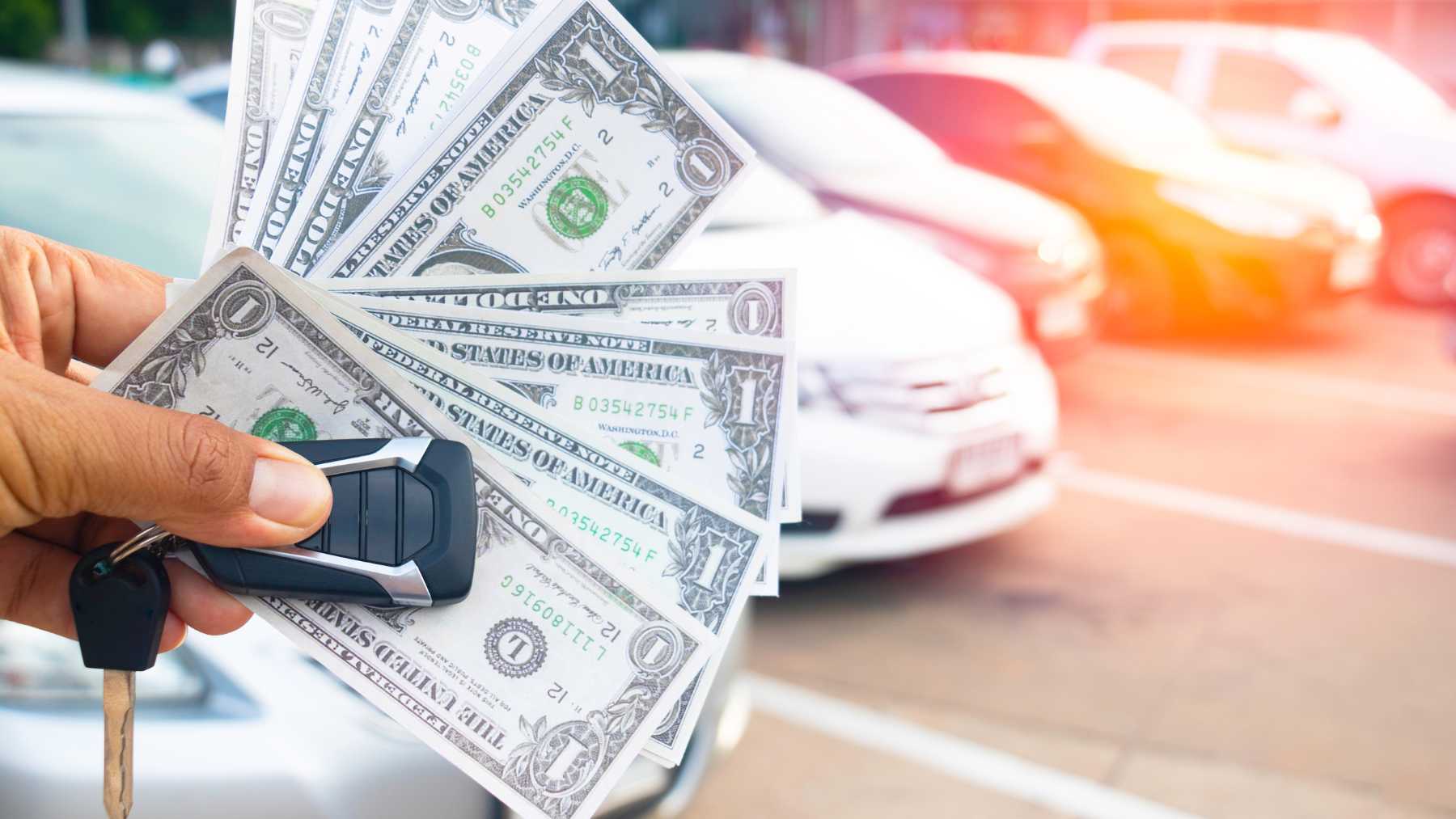
The tax credit for used clean vehicles was instituted within the Resolution of Tried and Tested Act adopted August 2022. This creation of this tax credit intends to increase the consumption of electrical vehicles by providing a tax credit for people buying a second-hand e-vehicle.
The tax credit is only useful for the acquisition of the used electric vehicles that can be as little as $4,000, as long as they are a plug-in hybrid or fuel cell vehicle. The credit is valid from the adoptions of automobiles made after December 31, 2022.
Although the amount of credit varies depending on the capacity of the battery and the price of the car, it is still important to take advantage of this incentive as it will save you a significant amount of money. This incentive effectively gives the buyer who purchases a previously owned electric car an option to pay less in advance.
How to find out if you are eligible to apply for this program for sustainable mobility
The used clean vehicle credit program covers EVs, PHEVs, and fuel cell EVs purchased before the date of enactment of the federal law. The purchase date for the eligible vehicle should not be older than the credit date i.e, the date when the credit was enacted.
The specific types of vehicles that can qualify for the tax credit include:
- Battery electric vehicles (BEVs). Because the market for BEVs is growing rapidly, the cars that get the greatest attention are the Tesla Model 3, Nissan Leaf, and Chevrolet Bolt EV.
- Plug-in hybrid electric vehicles (PHEV). These comprise the Toyota Prius Prime, Chrysler Pacifica Hybrid, and BMW i3 model with the range extender.
- The fuel cell electric vehicles (FCEVs) – FCEVs use hydrogen fuel cells to inner-board produce electricity. The most interesting news is that the only FCEV now is the Hyundai Nexo SUV.
The essential attribute is to have a battery which needs to be charged by plugging it into an external electrical electricity source. Thus, they are different from the hybrid vehicles which not only neither rely just on their driver but also cannot be plugged in.
Vehicles that qualify for the new Used Clean Vehicle Credit
Grants under vehicle used clean credit cap will be offered only on a limited basis for correction of price for preferred vehicles. The source of funds allows you to pay up to the amount of the value of the vehicle you are looking for. The maximum price allowed is specified by the GVWR of the vehicle.
- Purchase price of trucks, buses, and other vehicles with a GVWR of 14,000 lbs and less are only eligible for the credit if their price does not exceed $25,000. This consistant with most of the standard passenger cars.
- Certain types of vehicles (for example, those that weigh up to 14,001 lbs and from 26,000 lbs) can qualify for payments that vary from $40,000 and above maximum purchase price. This section embraces big SUVs, trucks, and vans as the cars in this weight class.
- Other than that, vehicles whose GVWR are over 26,001 lbs go in this category. There is two criteria of this program: One is that the cost of the pickup must be not more than below $80,000.
As you have seen, the Used Clean Vehicle Credit is an option for all those who are going to buy a car, but cannot finance a new one. The important thing is the savings you will get afterwards, whether an EV or an HEV, two options that are becoming increasingly popular in our country and to which we have dedicated previous articles so that you know all the aids available to you.