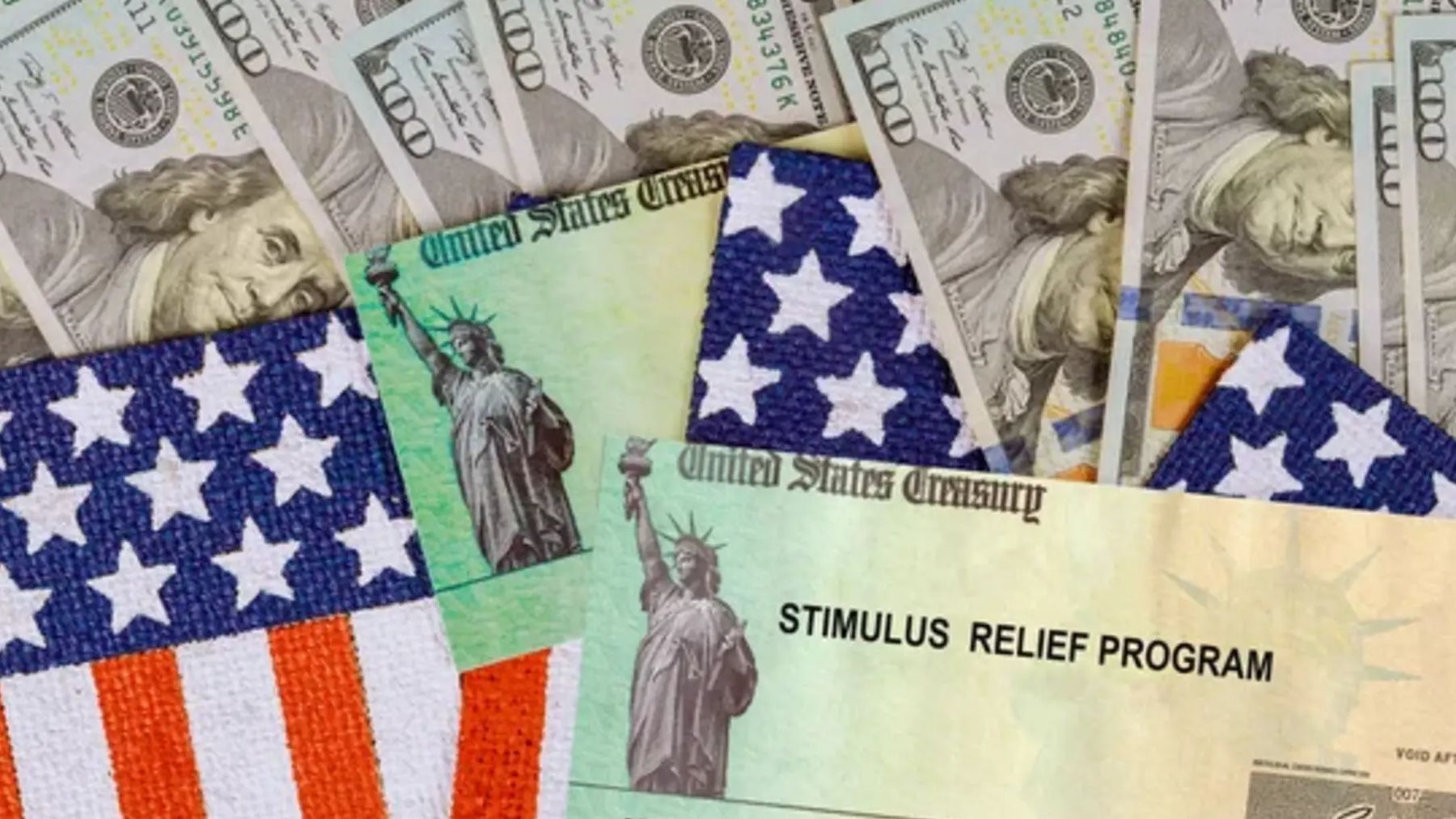
This month, the IRS will be sending out stimulus checks for eligible beneficiaries. These special stimulus checks are for taxpayers who did not claim the Recovery Rebate Credit on their 2021 tax returns. The Recovery Rebate Credit was an initiative set up by the Biden Administration during COVID-19 and aimed to provide financial relief to families amidst the financial hit many taxpayers took during the pandemic.
How will eligible taxpayers receive their payment?
Taxpayers will be relieved to hear that if you qualified to receive the credit, no further action is required from you. The Recovery Rebate Credit is a refundable credit for people who did not receive one or more Economic Impact Payments, or stimulus checks. If you are one of these individuals, the payments were sent automatically in December of 2024 and should reach you by the end of January 2025
“Looking at our internal data, we realized that one million taxpayers overlooked claiming this complex credit when they were actually eligible,” IRS commissioner Danny Werfel said in a statement. Payments will be directly deposited or automatically sent by paper check. If you are eligible to receive the payment, you will also receive a separate letter notifying you of the payment.
The IRS continues to work to streamline repayment processes
Werfel discussed how the IRS is continuing to simplify payment processes for taxpayers. Streamlining payment processes is crucial for improving the efficiency and accessibility of tax filing for individuals and businesses. By simplifying these processes, taxpayers can save time and reduce the risk of errors, making it easier to meet deadlines and avoid penalties.
“The IRS continues to work hard to make improvements and help taxpayers,” said Werfel. “These payments are an example of our commitment to go the extra mile for taxpayers. By looking at our internal data, we realized that one million taxpayers overlooked claiming this complex credit when they were actually eligible.
He continued: “To minimize headaches and get this money to eligible taxpayers, we’re making these payments automatic, meaning these individuals won’t have to go through the extensive process of filing an amended return to receive it.”
Stimulus checks continue to be distributed across states
The COVID-19 stimulus checks, issued by the federal government, played a critical role in helping millions of Americans during the early stages of the pandemic. As businesses shut down, workers were laid off, and the economy took a severe downturn, these direct payments provided financial relief for individuals and families who were struggling to make ends meet. The checks, which were distributed in multiple rounds, helped cover essential expenses such as rent, utilities, and food. By providing immediate support, the government aimed to stabilize the economy, reduce financial hardship, and stimulate consumer spending to help businesses recover.
As the pandemic continued to subside and the economy began to recover, these federal stimulus payments were gradually phased out. Despite this, some states have opted to continue or implement their own relief programs. These state-level initiatives, which vary in structure, aim to provide additional support where it is still needed. For example, some states have offered direct payments to residents, while others have introduced programs targeting specific sectors or vulnerable populations, such as low-income workers or those with children.
These state-based efforts recognize that while federal assistance has ended, individuals continue to need economic support. While there have been rumors and concerns for what is to become of stimulus checks with the new incoming Trump administration, these payments are not expected to be eradicated. Stimulus checks will continue to provide essential support for millions of families and individuals to help with cost of living.