Finding alternative sources energy to produce is a critical topic currently at stake. In an energy conscious world, finding renewable and carbon-neutral sources of energy is at the forefront of multiple industries’ goals. The transportation industry has been making leaps and bounds in producing alternative engine solutions, however, the energy industry as a whole needs a significant transformation. Recently, earthquakes have been identified as potential sources of clean energy.
Current natural sources of energy
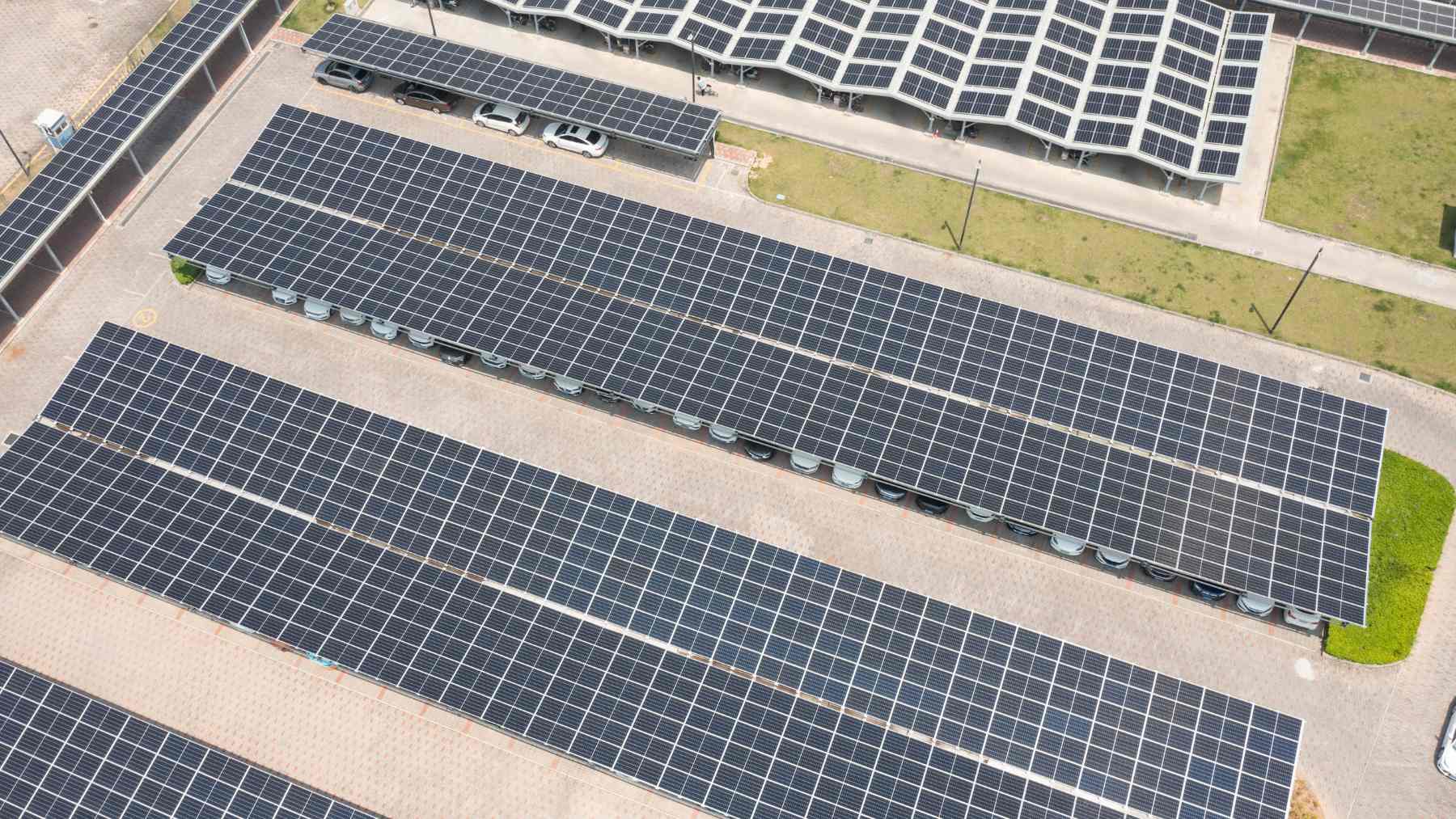
Harnessing power from the natural world has been critical to overhauling the use of fossil fuels in the energy sector. Solar energy is one of the most of the most prevalent ways of harnessing clean energy. Operating off of photovoltaic technology, solar panels have been some of the most innovative modern technology inventions. Not only have they been used to harness energy from the sun for operations on Earth, but are also used in space.
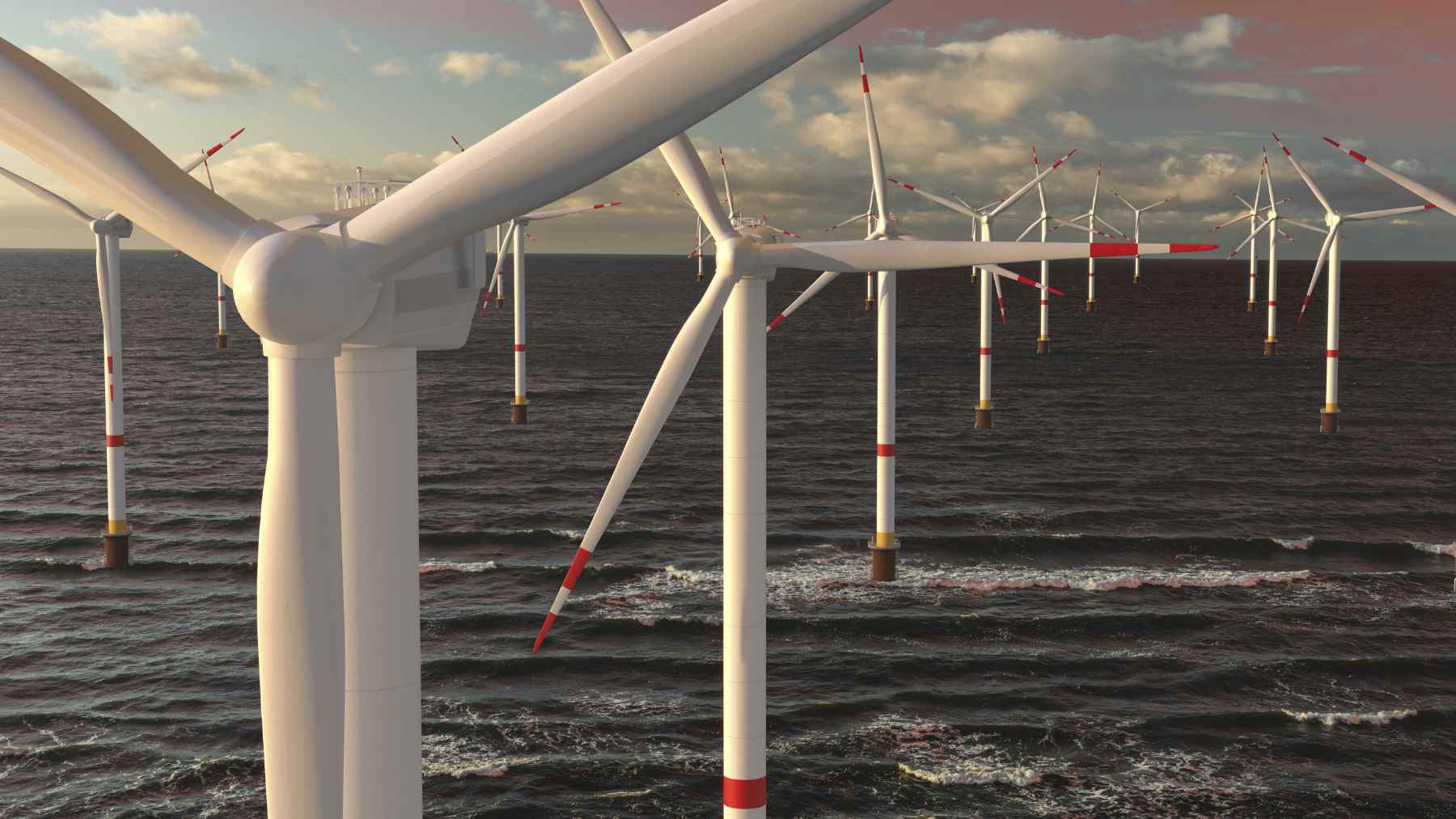
Other sources of clean energy is the harnessing of wind energy as well as hydropower. Wind energy holds massive potential, and with recent developments in offshore wind farms, the industry is expected to grow rapidly. Wind energy currently makes up about a quarter of the renewable energy market. Hydropower has also been identified as a key source of renewable energy, accounting for just over 30% of renewable energy production.
This threat to mankind could have unleashed potential
One source of renewable energy which has not been considered is earthquakes. Earthquakes are a result of a sudden release of energy from the Earth’s crust. This energy release occurs when stress in the Earth’s lithosphere builds up over time. The energy is then suddenly released along cracks in the Earth’s crust. This release usually happens due to tectonic plate movement, volcanic activity, and also human activity.
The mass release of energy is something to be taken note of. The energy from earthquakes can be incredibly powerful, and if we can find a way to harness it, it would be hugely beneficial to use within the renewable energy world. There are approximately 500,000 earthquakes which occur each year, and the cumulative energy released by them is estimated to be tens of thousands of terajoules (TJ).
Some have suggested that if we could find a way to convert the energy in the Earth’s lithosphere into power before an earthquake actually occurs, it could contribute towards powering millions of homes. While the type of technology required to do this is not a reality currently, it is a thought to consider for future innovation. Some experts have said that the idea is “conceivable”, however it is also “utterly impracticable”.
A significant problem with the idea would be finding a way to predict when an earthquake is going to occur. Currently, earthquake predictions are very random, and we cannot provide a reliable time frame for predicting them. Another significant challenge is due to the fact the, usually, the most powerful earthquakes which we would want to target occur underwater. This adds an additional layer of technological complexity.
Not possible, but highlights much needed innovation
While the idea is not a strong possibility as of now, innovative thinking is critical in order for us to achieve a carbon-neutral world. While certain ideas for harnessing renewable energy may seem far-fetched now, the rapid development of technological advancement the world is currently experiencing means that these ideas could very well turn into a reality.
The transportation industry is particular has made extreme progress in inventing alternative engine solutions which could replace the internal combustion engine. While the electrical engine is the preferred favourite, other solutions are making headway to compliment these engines.