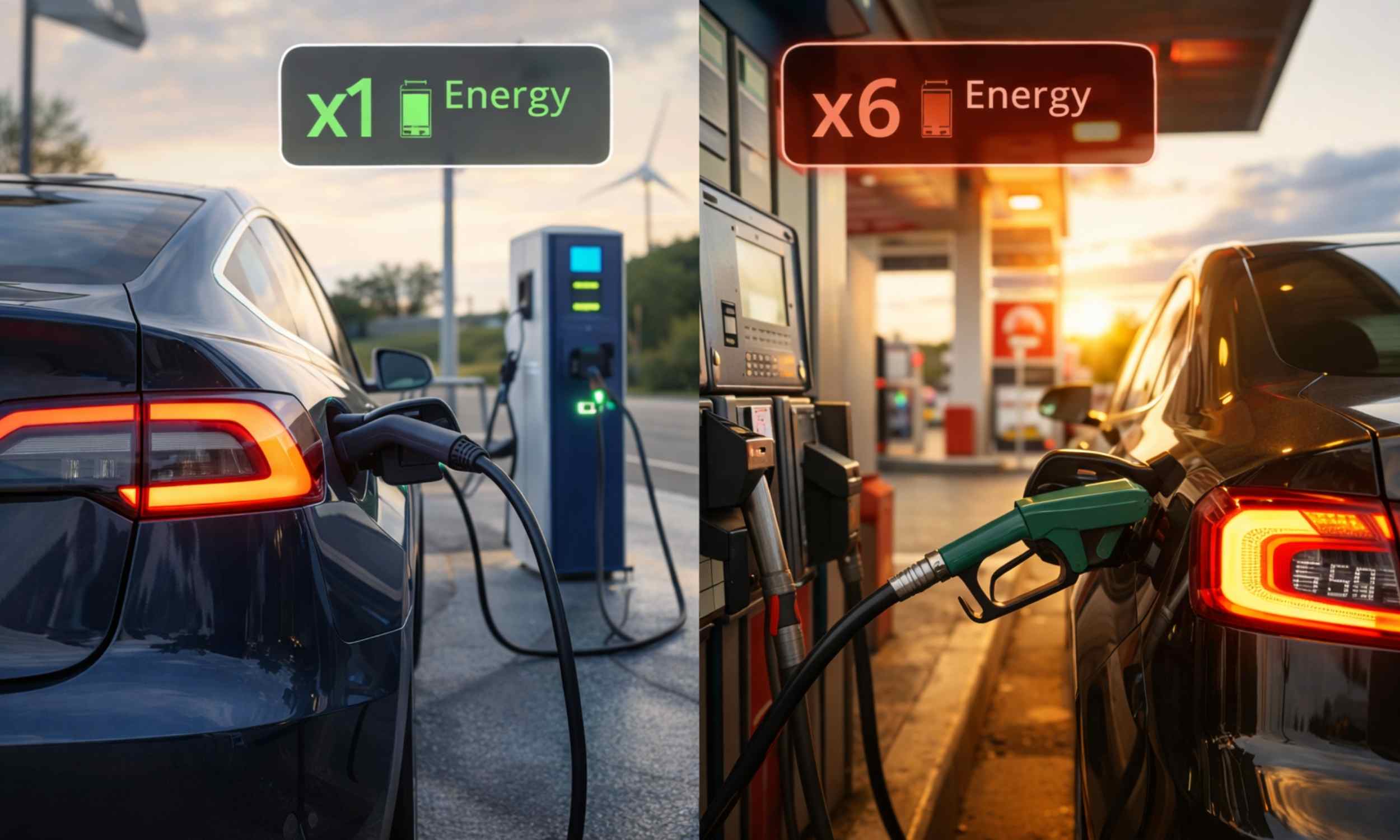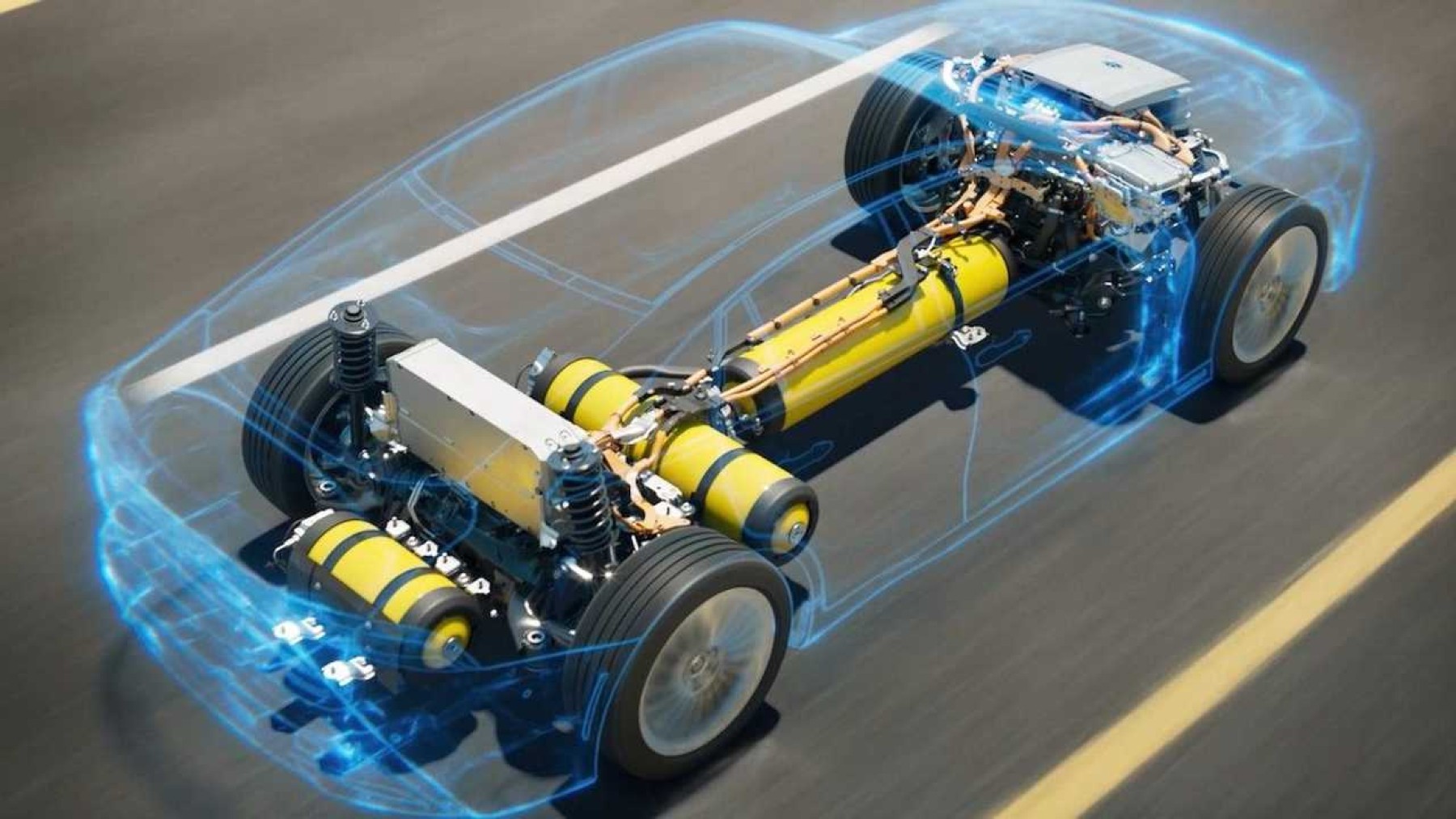
These last few months are showing us that the mobility of the future will not go through Tesla and its EVs, which are facing more and more obstacles in their international expansion (and we are not just referring to the case of India). However, the latest blow to the brand comes from Japan, which will begin its most aggressive plan against the company in this state, with a futuristic fuel that you won’t believe.
Goodbye to EVs in America: Japan wants to put an end and show us the future
The electric vehicle industry is on the way to changing. Big players in this industry from various parts of the world have earlier on promised to shift to all electric vehicles within the next decade or two only. While some consider battery-electric an option for the future only, others contemplate the different solutions.
Toyota (one of the biggest automobile companies around the world) has also expressed the same view that the hydrogen powered cars are going to play a critical position in the transformation of fuel cars to fuel cells car. Very recently, they released a statement about locating a new center of hydrocentric research in California.
The goal is establishing the steady fuel cell industry respectively, so the new hydrogen vehicles would be accepted by the public. By choosing California, they are able to benefit from state’s supportive policies, infrastructure, and talent pool around hydrogen and zero-emission automobiles.
30 years developing this new technology: more futuristic than EVs
Toyota has worked on hydrogen fuel cell cars for more than 20 years, and has been at the forefront of the development process in the industry. The automaker, being Japanese, recognizes hydrogen as a potentially zero emission technology that can not only work in conjunction with battery EVs but also be an alternative.
In contrast to 1992, Toyota was among the first motor producers who experimented with fuel cells, having the objective of addressing technical issues and improving performance. In 2002, the Toyota Company offered the Toyota FCHV, the first fuel cell car available to renting public in limited quantities.
As such, in 2014 ,Toyota unveiled its first fuel cell hydrogen car for sale ,such as the TLV Mirai sedan. Mirai was a -c from oil – society with their drivers, by displaying that fuel cell cars were able to be practical, able to go long distance and – as well.
Hydrogen fuel cell technology stays on the roadmap of Toyota now. Company thinks that hydrogen power makes electric automobiles more profitable than vehicles with a battery, which are most capable for long-distance travel. Toyota demonstrates in its action that while continuous investments in fuel cell research is going on.
Why has Japan chosen U.S. to develop hydrogen? There´s bad news for Tesla
California has set itself to a stewardship status that is leading hydrogen vehicles uptake in the US. The government of the state goes for such measures like the promotion of the use of eco-friendly cars and instruments that guide automobile manufacturers to sell more zero-emission cars.
To note, the ZEV (Zero Emission Vehicle) program tacked on by California sets in motion a chain of steps to be followed by manufacturers as they sell a proportionately increasing percentage of zero-emission vehicles each year. ZEV must have the sales of 15 % of all the new vehicles from California at least by 2025.
California, alongside investing heavily in the establishment of hydrogen refueling stations at statewide level, has also declared its willingness to invest. With the $20 million from the California Energy Commission, a network of 40 retail hydrogen stations operating now in California has been established.
Pundits, who welcome Toyota’s bet on hydrogen, continue to have some misgivings about the U.S.’s suitability to take on Tesla and brands like BYD with its EVs. However, we have already seen (and so have you) that not even this fuel could be the definitive one. Don’t you remember ammonia, methanol or even thorium? Perhaps they are the goal that sustainable mobility should pursue, we do not know.