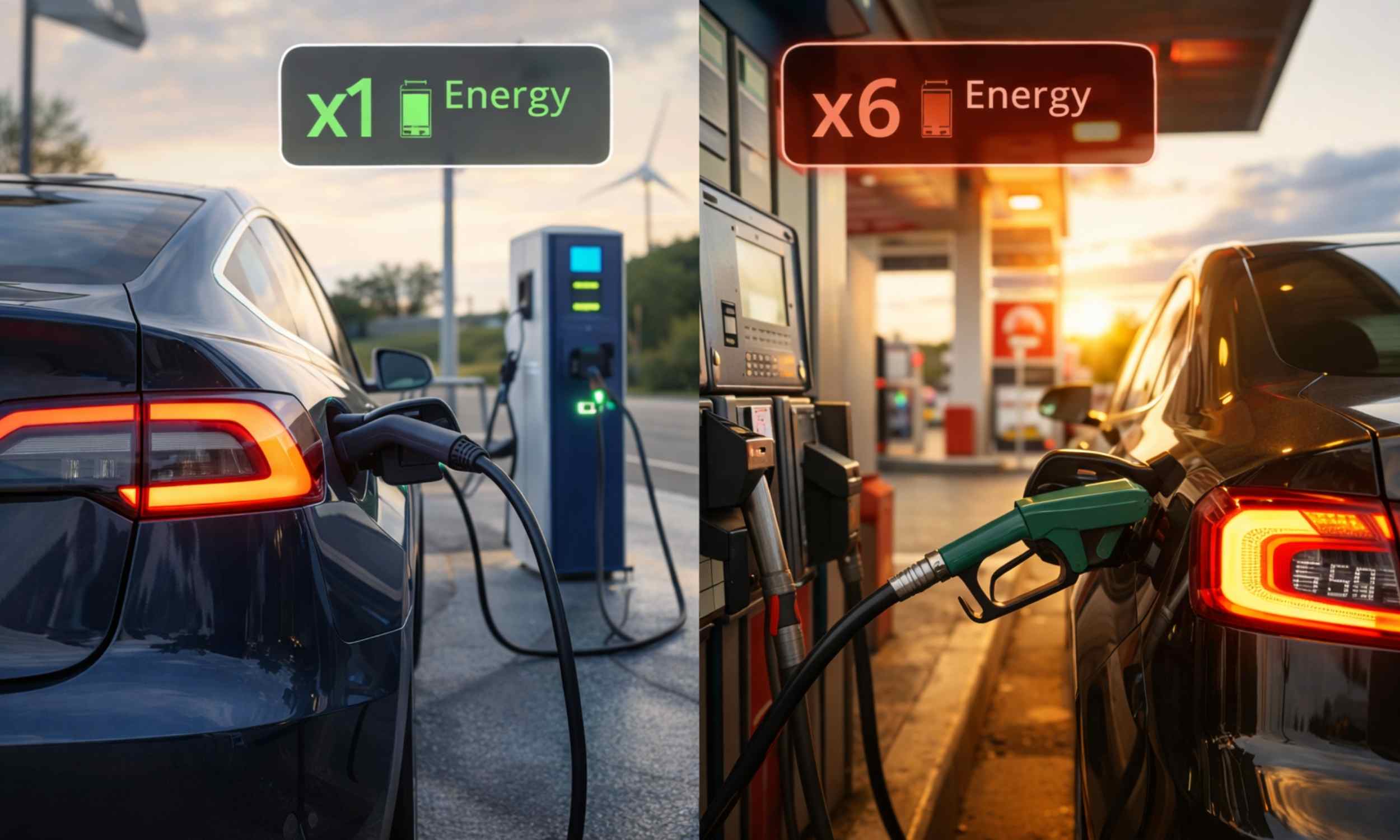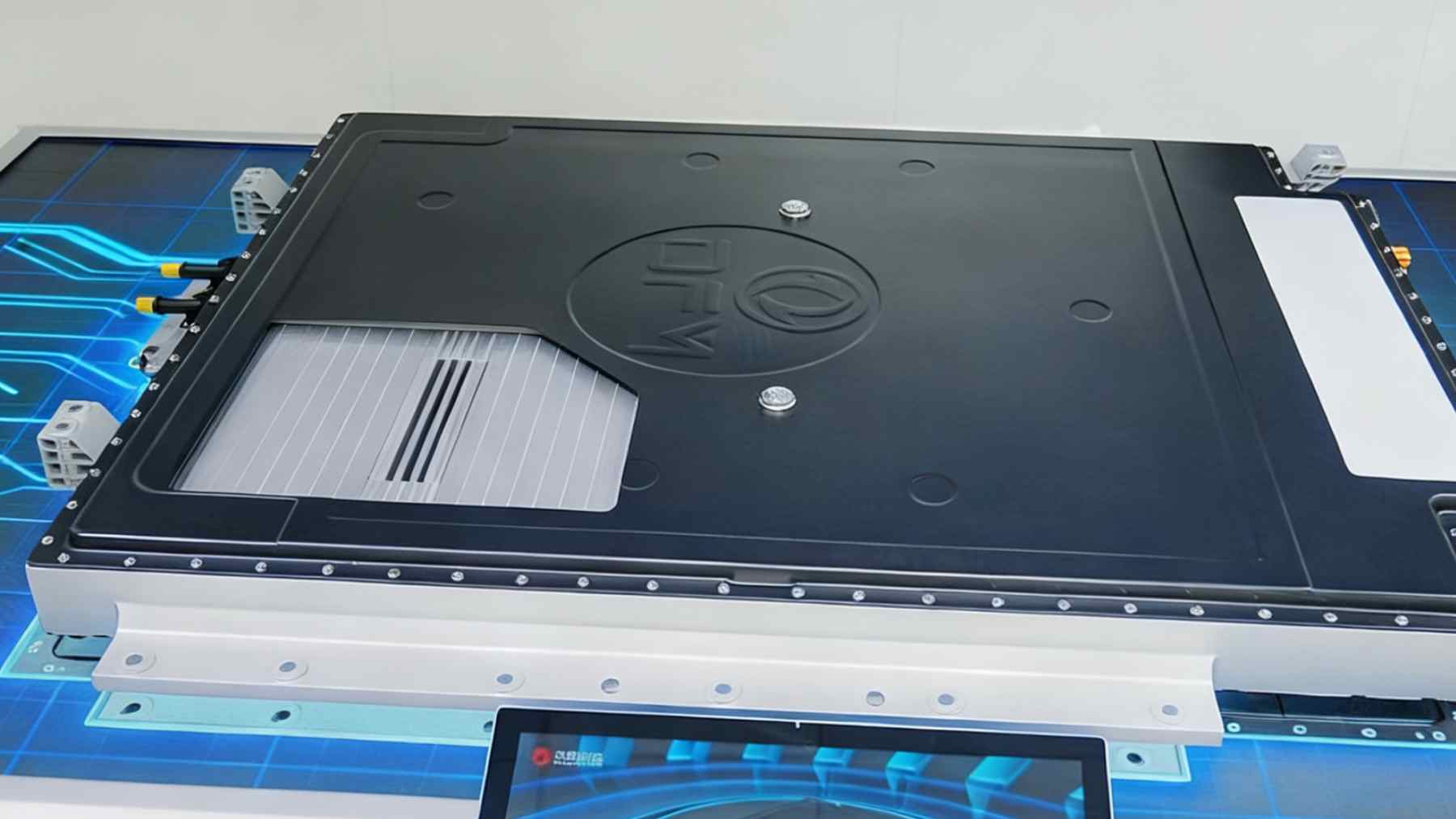
Japan has just announced that it is disengaging from the race to develop the zero-emission engines we usually know. What does this mean? There will be no more EVs or FCEVs, to which it has just given a last chance. The reason is that scientists are in shock, and it is this new fuel they have just discovered: they will mass produce it, and maybe we will see it someday in America.
World´s largest automaker, to give EVs one last chance while thinking about other options
After the recent global crises and the increased awareness of saving the environment, we may think that Toyota, as the largest automobile company, will soon phase out internal combustion gasoline engines altogether. However, Toyota’s leadership continues to work to invent new combustion engines.
This position is quite different from most other major automakers, who set clear goals to shift away from the sales of ICE vehicles by pivoting towards EVs. The company was transparent when it noted that consumers will still require different solutions for their transport requirements.
The claim says that Akio Toyoda, the company’s chairman, has said that electric automobiles are not the auto industry’s future, and gasoline vehicles will forever remain relevant in automotive consumer markets. This is evident in Toyota as the company has only sold 0.
Consequently, 9% of the total car sales were electric vehicles (EVs) in 2023. Even as Toyoda admitted to the relentless progress of EV technology, he said that no matter the sophistication of the car that is to be built, gasoline cars, hybrids, and fuel cell EVs are to take only 70% of the market.
Toyota´s position is raising controversy (and concerns) throughout the industry.
However, looking deeper into Toyota’s position is crucial because it isn’t entirely without controversy. All other major car manufacturers have also been revealing ambitions to not only phase out the production of gasoline vehicles but also entirely shift to electric-only car production within the next few years.
However, Toyota has a different perspective on this point. Tellingly, the company does not postulate that electric vehicles can be the only answer to achieving carbon neutrality and that a properly blended suite of technologies will be required to attain that goal.
Another fundamental reason Toyota has yet to abandon the development of gasoline engines is the need to satisfy an expansive market base. To take advantage of this opportunity, the company understands that not all markets are in the same stage regarding electric vehicles and that they will not transition all at once in a single calendar year.
EVs have been changed for something different than gasoline-powered engines: the new one.
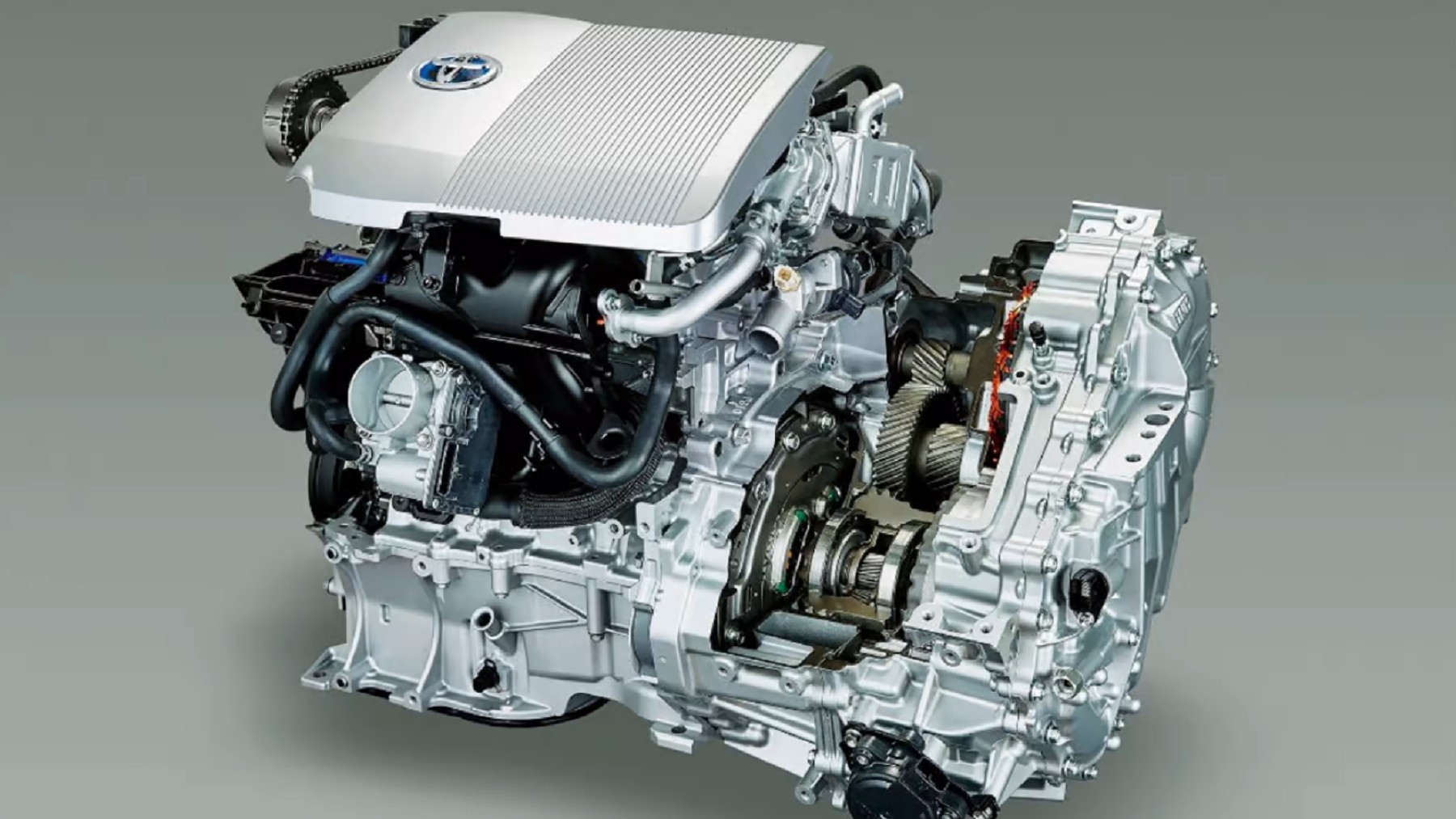
As with full hybrid systems, Toyota remains devoted to gasoline engines, as evident in its current research. The company is currently underway with a new engine development project to introduce new and even more efficient combustion engines.
These engines will be designed to operate not only on fossil fuels but also on biofuels, hydrogen, and even synthetic fuels. To date, the company’s Chief Technology Officer, Hiroki Nakajima, has provided numerous comments about these new engines, stating that they are a ‘game-changer.’
This non-business-centric approach is also reflected in the fact that Toyota concentrates mainly on gasoline engines, not only in its passenger cars. Hydrogen fuel cell electric vehicles (HFCEVs) and hybrid electric vehicles (HEVs) are other future new vehicle technologies that they are also implementing as multiple strategies.
It is clear that, even with discovering a new fuel such as green ammonia, they now want to give EVs one last chance. Will this be the end of an industry setting a clear trend but taking away leadership from all of America? What is certain is that we will now have to be on the lookout for any moves by Toyota, among others (while Tesla and Elon Musk have reasons for concern).