After Spain’s surprising bet on this H-gas pipeline, Japan has just “hacked” hydrogen. They have been generating it for 3,000 hours non-stop with a Spanish material. In the context of energy transition and decarbonization of the economy, hydrogen is the leading fuel. The generation of H for energy purposes is a topic of global interest, especially in recent years.
In fact, investment in the production of H with low carbon emissions is growing steadily. In the case of Spain, the European country was awarded 20% of the world’s new H projects during the first quarter of 2022. During this stage, H-related projects increased their total production by 11.1 million tons per year, according to data provided by Wood Mackenzie, a research and consulting company that promotes natural resources.
It should be noted that H is the simplest and most abundant chemical element on the planet. It is composed of one proton and one electron. However, it is not available in any deposit. On the contrary, it must be obtained from other elements that contain it. It is found in a gaseous state in stars and gaseous planets, in addition to other chemical compounds such as water and other organic compounds.
Japan “hacks” hydrogen: takes 3,000 hours to produce it
Japan overcomes dependence on iridium to transform H into the energy queen. A group of researchers at the Riken Center for Sustainable Resource Science Institute in Japan has reduced the amount of iridium required for electrolysis by 95% without altering the efficiency of the process. They have made a discovery that could help solve the problem, and boost the zero-emission economy based on green H, among other sustainable resources.
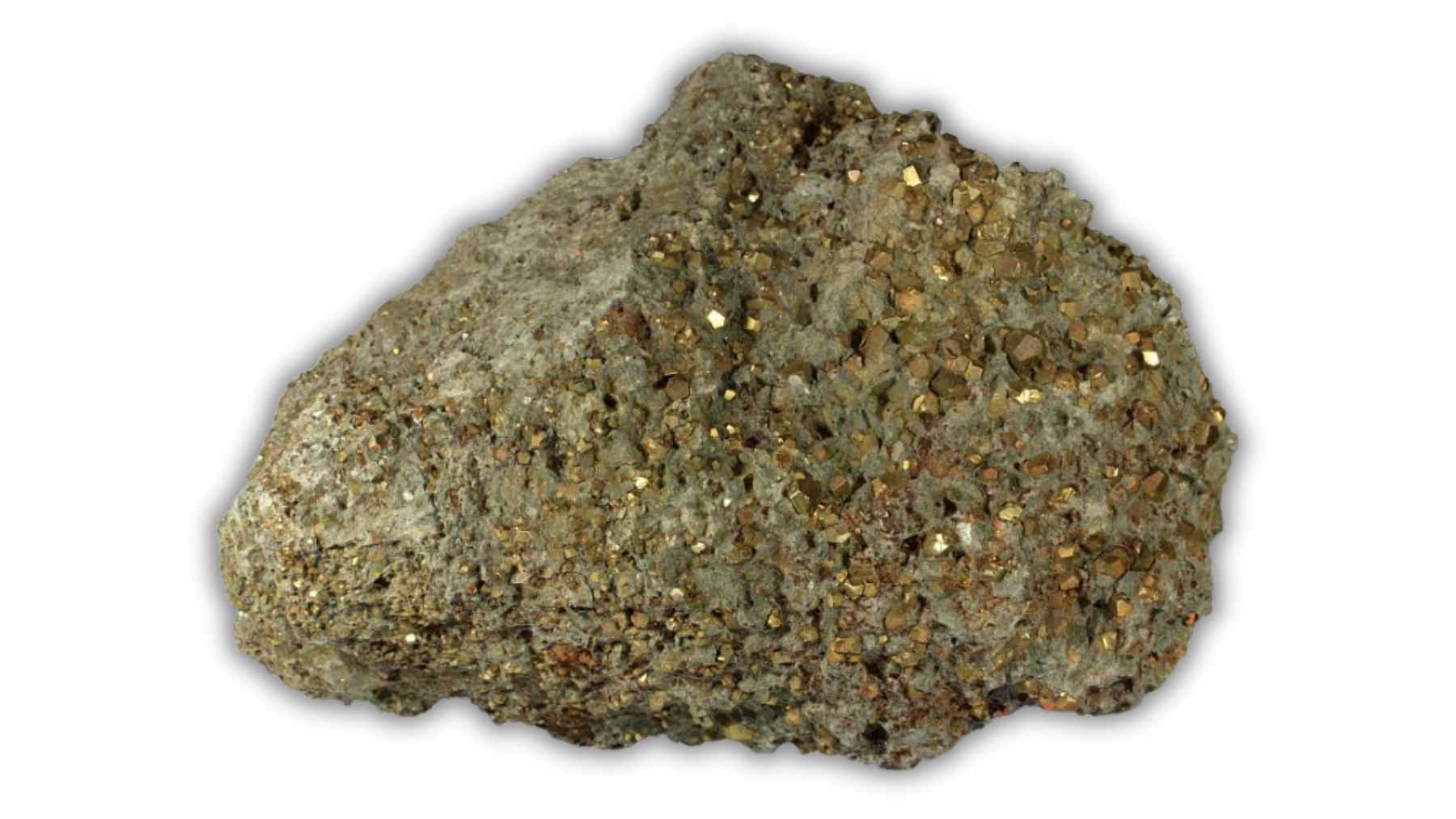
In a recent study published by Science, this group led by Ryuhei Nakamura claims to have found a system that reduces by 95% the amount of iridium needed to perform electrolysis without altering the efficiency of the process. They have used a manganese oxide fragment with iridium atoms distributed on its surface as a catalyst, so that the latter do not come into contact or agglomerate.
The 15 Riken Institute scientists who were part of the project managed to create H continuously for more than 3,000 hours, or about four months, with 82% efficiency and almost no degradation.
“We believe that our catalyst can already be applied in the real world,” says Nakamura. His team is already testing this article with several industrial partners. Thibaud Vincendon, business manager for green hydrogen at Hydrogen Refueling Solutions, adds: “We are currently on a learning curve with green hydrogen, just as we were twenty years ago with renewable energies.
Japan is using this material to “hack” hydrogen
“A lot of things are being discovered today, but I always ask myself two questions: what is the advantage? Is it implementable on a large scale? Everything points to the fact that by 2030 we will have a technology for green hydrogen production that works and is cost-effective. In the meantime, we have a lot of things to figure out,” he says.
Currently, global average energy production is about 18 terawatts or 18 billion watts. Nakamura is convinced that, no matter what technology mankind chooses, the transition process in which the world is immersed will take years. He also believes that research such as this one, which looks for base metals to create new catalysts, will be crucial to the process.
In short, Japan has “hacked” hydrogen to produce with a different material in the midst of the decarbonization process. A news completely aligned with the largest hydrogen mine in history found at the gates of Spain.