The largest photovoltaic power plant ever seen arrives in Europe. It houses 3 million panels and a metallic colossus in the center. When talking about energy production, most people think of photovoltaic energy, since it is one of the best known and most exploited. So much so that it has already surprised us with innovative projects such as photovoltaic flowers that chase the sun.
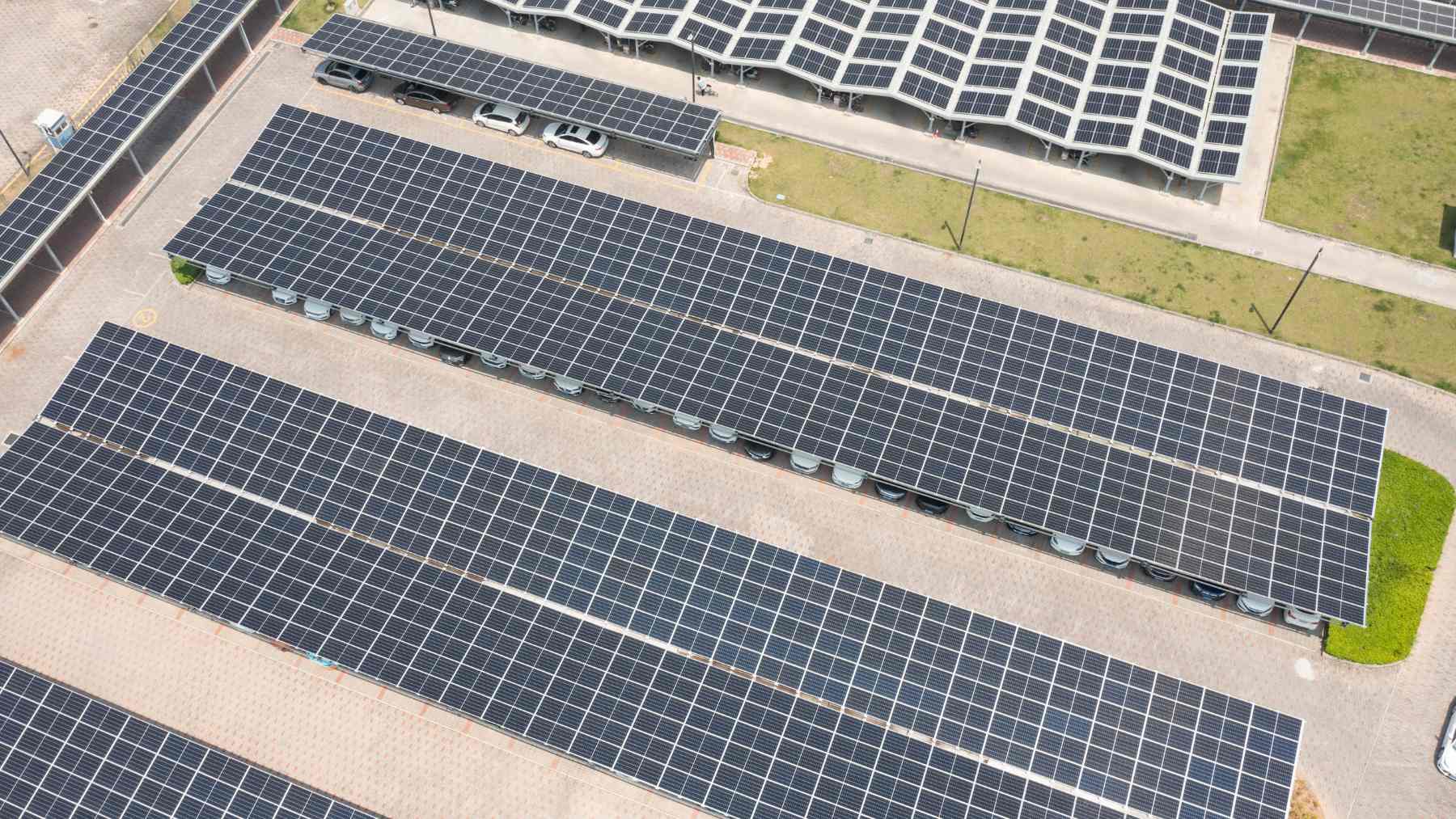
Photovoltaic solar energy is a type of renewable energy that is developed after the direct conversion of radiation and sunlight into electricity. This conversion is made possible by photovoltaic panels, which allow solar radiation to strike photovoltaic cells.
Photovoltaic solar energy is mainly used to generate electricity for utilities and distribution networks as well as for independent users.
The first photovoltaic power plant ever seen on the continent is already here
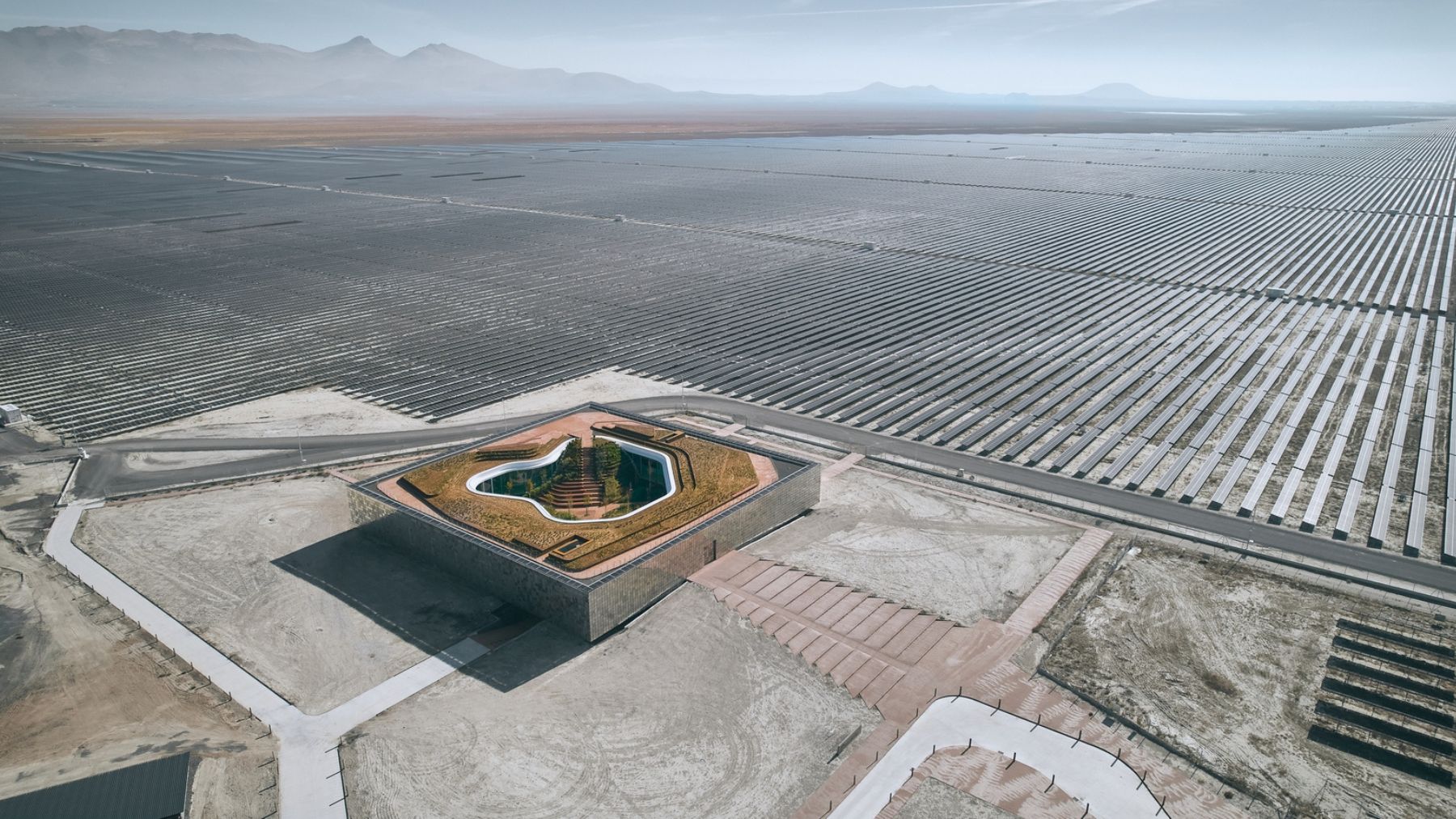
The Kalyon Karapinar solar power plant is a large-scale initiative located in Turkey’s central Anatolia region. It stands as the largest photovoltaic power plant in Europe and the world.
It should be noted that Turkey is a transcontinental country, with most of its territory in Western Asia and a smaller area (west of the Sea of Marmara) located in Western Europe. Kalyon Karapinar can therefore be considered one of the largest power plants in Europe.
This impressive project has 3.2 million solar panels across 2,000 hectares. It produces enough energy to power two million homes. The climate of the site where it is located is totally desert-like, a space unsuitable for farming or living.
However, it has incredible potential for this purpose. In addition, in the center of this opulent infrastructure we find an authentic architectural jewel. A building that provides the technological infrastructure needed for the project.
It bears the stamp of Bilgin Architects and goes beyond a simple workspace. Its cubic shape with a central courtyard and its facade covered with stainless steel plates make possible a perfect synergy with the environment.
Europe goes to another level with this project
The design team did not have it easy. They had to face the challenge of working in a desert climate. It was precisely this difficulty that made the experts think outside the box to find innovative solutions.
The architecture of the building stands out for its central courtyard and a highly reflective façade. The finish of this work shows the intentionality of merging efficiency, respect for the environment and aesthetic harmony.
This picturesque façade not only serves an aesthetic function, it also does its own thing in terms of energy efficiency. It includes a double layer of 7,200 stainless steel panels, whose structure changes in transparency to act as a barrier against intense solar radiation.
The reflective panels transform the perception of the building as the hours pass, creating a visual spectacle of changing colors. On cloudy days, this is even more noticeable, visually blurring the boundaries between the building and the sky.
This photovoltaic power plant is promising for many reasons
At night, the facade shows the interior lighting and the courtyard design through its panels. This modification not only highlights the architectural beauty of the building. It also reveals how technology and design can go hand in hand to enhance the functionality of a project.
Kalyon Karapinar’s success once again demonstrates the potential of solar energy as a sustainable energy source.
This is how Europe can boast the largest photovoltaic power plant. The advance of solar energy does not stop and other inventions have already appeared on the scene that even displace solar panels, such as the “second skin” of buildings.