Lightyear attempted a revolutionary enterprise to develop an automobile that could generate power through sunlight alone. The solar-powered automobile project initiated by Lightyear no longer exists. This article discusses Lightyear’s solar-powered automobile ventures and investigates the factors that led to their failure, together with the organization’s modern movement toward solar innovation.
A comprehensive implementation of a complete solar-powered vehicle proved particularly challenging to achieve.
Lightyear, a representative Dutch business, was formed with aspirations to develop vehicles that operated solely on solar power. The revolutionary design introduced a vehicle technology that could generate power through integrated solar panels on its body frame. The technology innovation sought two objectives: eliminating regular fuel systems while achieving lower environmental effects in transportation.
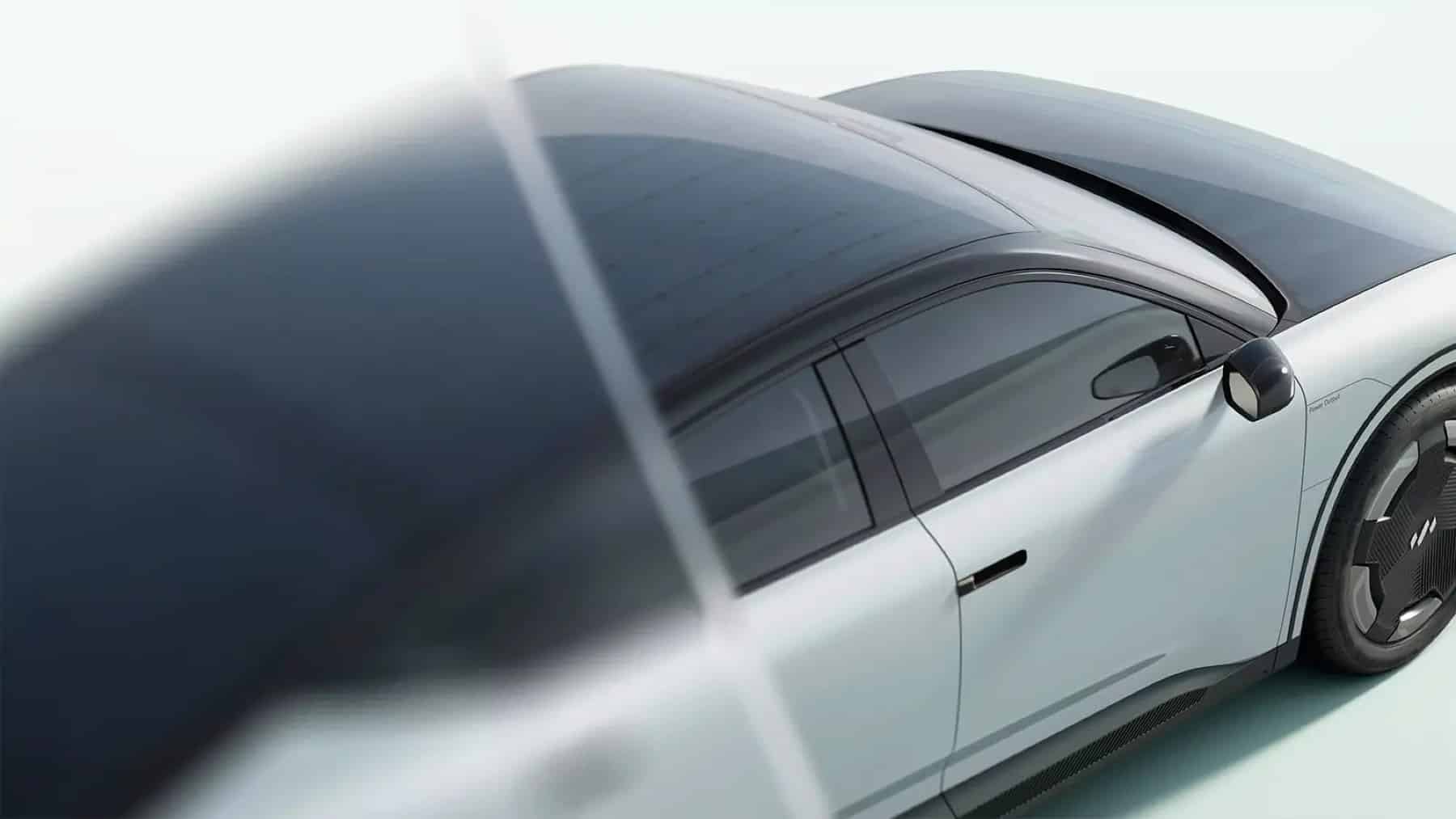
The Lightyear One prototype gained widespread interest because of its fashionable appearance and advanced technological aspects. The vehicle incorporated photovoltaic solar panels in its roof area and hood section, yielding sufficient power to drive for limited distances. The proposed idea demonstrated that autonomous vehicles could function independently, thus eliminating both power infrastructure requirements and the need for fossil fuel usage.
Why Lightyear’s solar car failed despite the initial hype
Multiple hurdles prevented Lightyear from achieving success with its solar car commercialization process. The solar panels proved to be the main limitation during development. Although the panels produced energy, driving the car for daily usage was inadequate, particularly in regions with scarce sunlight. Because of this restriction, the performance and range goals became challenging to achieve.
Creating and producing the solar car model required expenses that exceeded reasonable limits. Implementing solar panels into automotive design requires advanced materials combined with cutting-edge technology, which results in higher production expenses. The financial and technical hurdles made Lightyear struggle to proceed with its solar car project.
A significant shift: why Lightyear abandoned its solar car project
On January 3, 2024, Lightyear declared it was deserting its solar-powered vehicle development project. The company strategically chose to work on solar charging systems that would be supplied to original equipment manufacturers instead of pursuing solar cars. This decision stemmed from evaluating unsupportive technology and market environments for commercializing a solar car.
Solar charging systems now serve as Lightyear’s focus while the company uses its solar innovation capabilities to produce solutions applicable on a larger scale. This energy solution allows smooth integration into current electric vehicles, providing supplementary power and minimizing standard charging facilities. The company maintains its drive for sustainable transportation through its new solar charging system development, which tackles the obstacles to creating a standalone solar car.
The future of solar transportation: what comes next after Lightyear’s failure
This decision shows the hard lessons learned about solar-powered transportation integration, revealing its practical and technical difficulties for automobiles. The knowledge gained through this attempt will help guide upcoming developments toward more efficient, affordable solar power systems. Technology development continues to provide chances for solar-powered vehicles to reach commercial production.
Lightyear created solar charging systems for other automotive manufacturers as a sensible solution to propel solar technology growth within the automotive sector. As a company, the organization seeks to improve current electric vehicle features, making transportation systems greener. This solution enables better scalability and enhanced flexibility, which helps solar solutions be implemented across larger scales.
A bold vision, a harsh reality, and the future of solar cars
The solar car initiative at Lightyear demonstrates how difficult but valuable it can be to introduce technological progress into automobile manufacturing. The project’s unsuccessful outcome created essential knowledge for implementing solar energy systems in vehicles. Lightyear now dedicates itself to developing solar charging systems that help advance ecological transportation solutions.
The Longyear experience demonstrates that innovation can lead through multiple attempts before achieving success. The historical failure has enabled scientists to learn critical lessons that they can use to develop solar technologies with higher practicality and efficiency. Scientists strive to create solar-powered cars because the world continues to search for sustainable fuel alternatives while maintaining their commitment to progressive innovation.