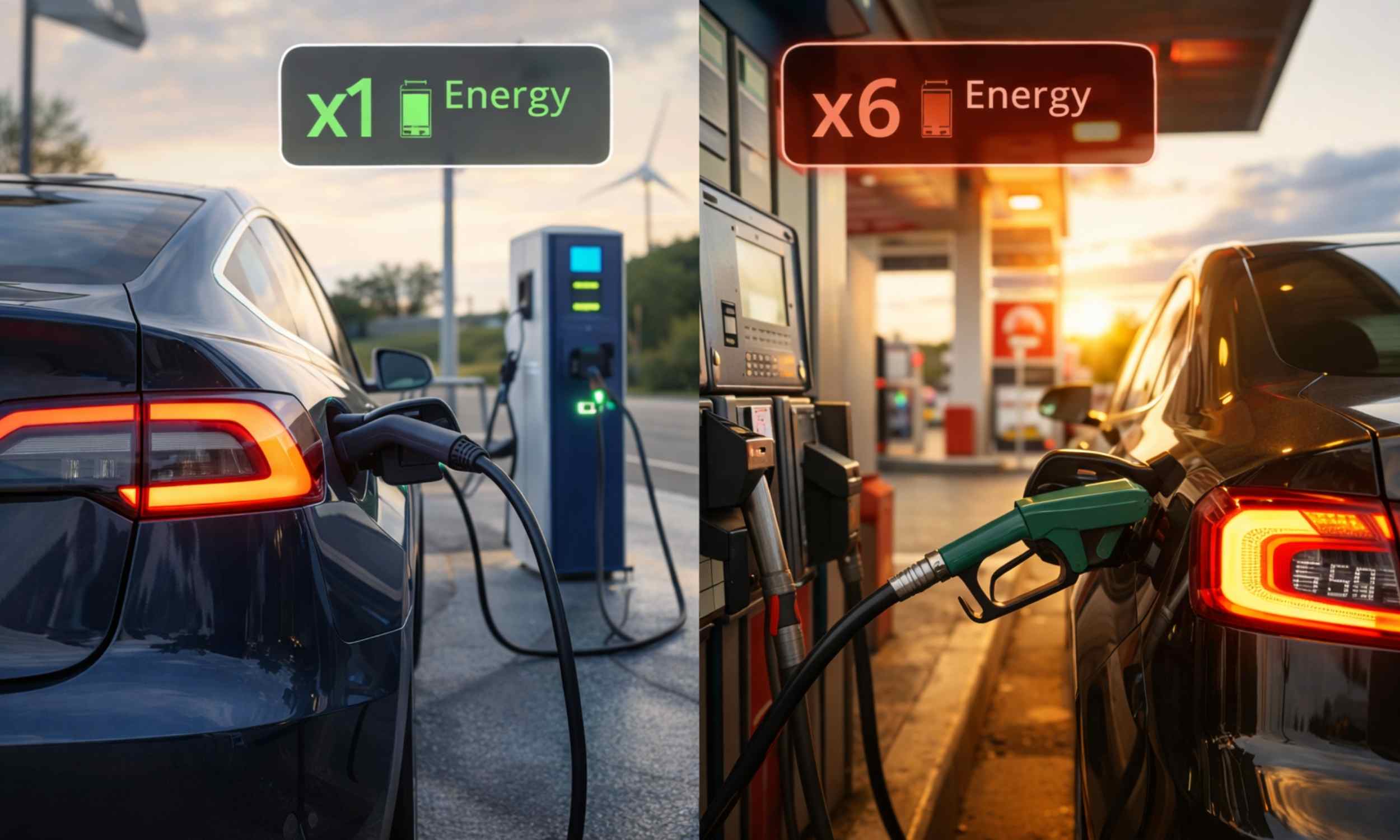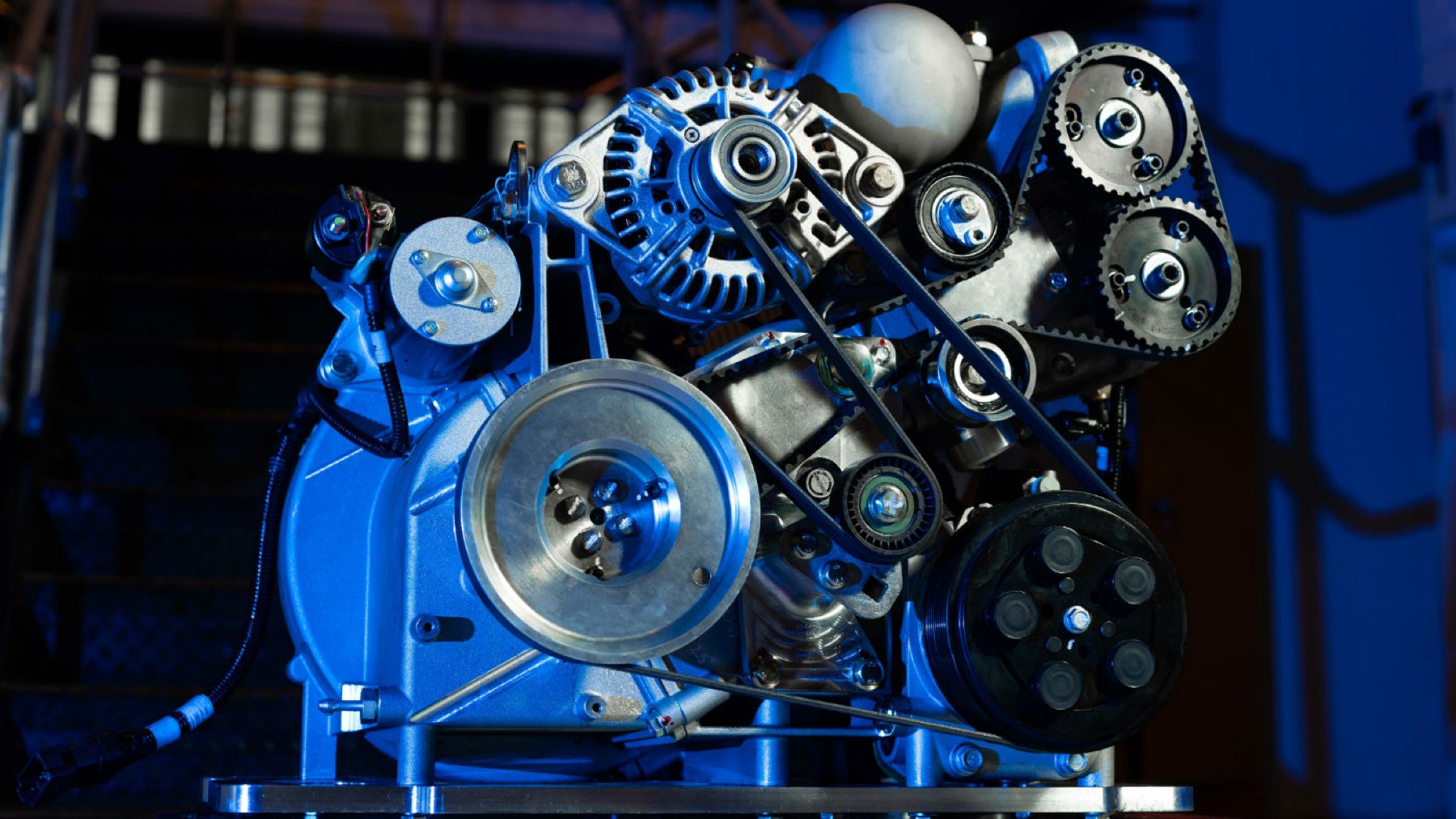
One of the most convincing proposals for the mobility of the future are electric cars, although hydrogen cars have everything to steal their thunder. However, in recent weeks there has been a lot of talk about the first liquid nitrogen engine, which until now has been science fiction. Now, however, there is something that could go wrong that has scientists on tenterhooks.
Hydrogen engines are the future but, what happens to nitrogen?
It was until now a transparent fact that liquid nitrogen engines seemed as late technology form the unreal world weren’t at the reach of the development. In these engines, liquid nitrogen, which is nitrogen that has been cooled to below freezing point till it changes into a liquid, provide the working fluid and refrigerant.
Nitrogen-energy is a term that describes a prime mover which employs a phase change from liquid to gas during nitrogen’s inherent warming process to create the force that makes the device operate. In theory, the engines which use the liquid nitrogen under high pressure have been around for centuries.
Protoponents claim that liquid nitrogen engines can bring about a marvelous breakthrough to be applied to multiple field, e.g. transportation and energy production. They mostly use inert and abundant nitrogen gas, so they do not produce any emissions unlike fossil fuels which are carbon-based and, emit a lot carbon dioxide.
Nevertheless, the engines are facing more stumbling blocks for them to be spun from lab tests to wide scale adoption. The challenges that arise during the process of commercialization, such as safety problems, storage, and transport issues and the lacking of long term performance data are all the tasks engineers currently work on.
Liquid nitrogen for engines, an idea that has been developed for decades
The idea of using liquid nitrogen as a source of fuel instead of the traditional fossil fuels being used for decades so far, but the working prototypes are still in their infancy. The rudiment notion laid down by the end of the 19th century when the physicists came to understand the effect of its rapid transformation into a gas.
In the 1930s, as the inventor of the first liquid nitrogen engine patented, he realized how powerful and versatile the technology could be. Despite this, several tinkerers and hobbyists still carried their own investigations in the following years, where the concept was confirmed to function well.
It was around the 1990s that things started making sense with the realization that polymeric films could make engines work with manageable temperatures. The promotion engine using liquid nitrogen in pistons and cylinders by an innovator such as Peter Dearman is noteworthy.
Could liquid nitrogen engines be an option? Maybe more promising than you think
Liquid nitrogen engines are exactly the opposite of the heat engines that utilize conventional combustion. In its turn, they rely not on fuel to make a power generating heat, but on the super cold of liquid nitrogen that leads to an expansion process.
Liquid nitrogen 320°F (-196°C) is the freezing point of the – liquid nitrogen is the coldest substance used. It is stored in a tank which is ultra-cold in this vehicle. As the water supply is released, it starts to instantly pull in the heat from its surroundings and thus boils.
Unlike combustion heat generation doesn’t need ignition or burning process. No emissions besides nitrogen gas which constitute of 78% of air have place here. Besides that, the highly pressurised nitrogen serves as an air-conditioning system for refrigerated transport containers at the same time.
Who would have thought that zero-emission mobility could be achieved by the first liquid nitrogen engine? The truth is that we do not yet know if it will be the definitive invention, and we are almost certain that it will not surpass hydrogen. However, there are manufacturers who have wanted to test its potential for public transport, which needs a fuel with an enormous energy density.