MAN Energy Solutions is pioneering the maritime sector with its revolutionary two-stroke ammonia engine, set to transform global shipping. This innovative engine aims to radically alter the industry by offering an environmentally-friendly alternative to traditional petroleum-based fuels. As the maritime industry grapples with its significant contribution to global emissions, ammonia emerges as a zero-emission fuel capable of meeting the International Maritime Organization’s (IMO) long-term emission reduction targets.
This engine is a crucial step towards reducing the carbon footprint of the global shipping industry, crucial in its mission to decarbonize the sector, which is vital for the sustainability and efficiency of ship owners and operators worldwide.
Ammonia: the carbon-free solution that could make marine fuel sustainable on a global scale
Ammonia offers numerous advantages as a marine fuel, with its carbon-free nature being one of the most significant. Green ammonia, produced from renewable energy, represents a golden opportunity for advancing green shipping without compromising the ability to synthesize ammonia for other applications. MAN Energy Solutions is developing a novel two-stroke ammonia engine that builds on existing advancements to fast-track the industry towards environmental sustainability.
The company aims to deliver the first commercially viable two-stroke ammonia engine by 2024, with retrofit packages for vessels expected by 2025. This ambitious timeline underscores the urgency of addressing climate change and the growing demand for sustainable sea transport. By harnessing ammonia’s potential, MAN Energy Solutions not only advances propulsion technology but also plays a key role in making the maritime sector more eco-friendly.
Tackling technical challenges and safety concerns in ammonia-powered propulsion technology
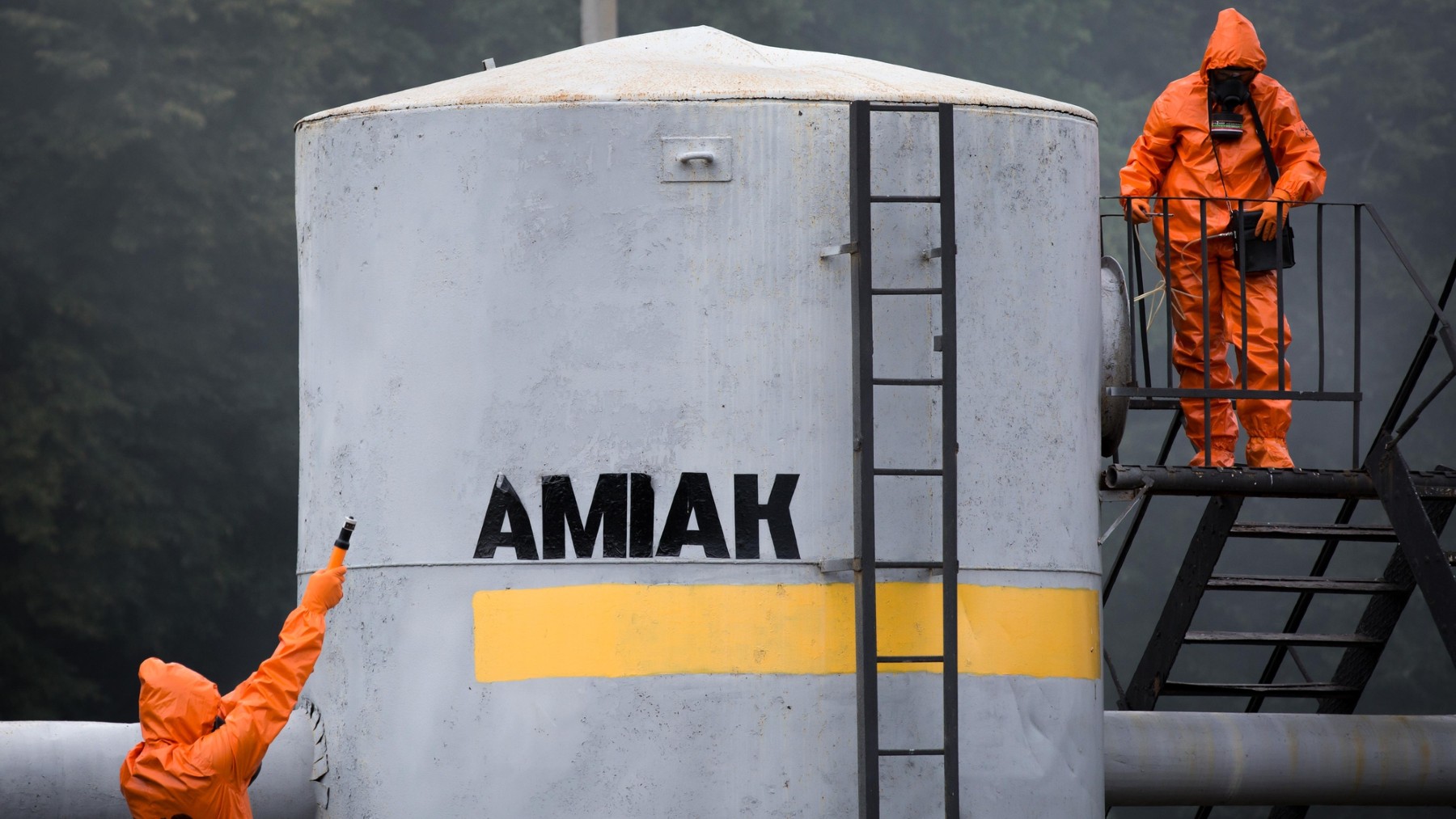
While ammonia holds great promise as a marine fuel, its application is not without challenges. Ammonia is toxic and corrosive, necessitating specialized engineering solutions and safety precautions. MAN Energy Solutions is investing in the development of a comprehensive system, from fuel tank to engine, incorporating double-walled designs, innovative materials, and advanced software solutions.
Additionally, the combustion process must be carefully controlled to prevent the release of nitrous oxide (N2O) into the atmosphere. These technical challenges are being addressed through rigorous testing and development at the company’s Research Center in Copenhagen. Collaboration with industry partners and regulatory agencies ensures that all safety and environmental requirements are met, building confidence in the technology and its safe application.
Industry collaboration and economic factors are shaping the future of ammonia as a marine fuel
The successful adoption of ammonia as a marine fuel depends on collaboration across the maritime industry. Shipping companies, fuel suppliers, and research institutions are all working together with MAN Energy Solutions to promote this groundbreaking technology. The Mærsk Mc-Kinney Møller Center for Zero Carbon Shipping, supported by MAN Energy Solutions, serves as a focal point for these efforts. However, economic considerations remain critical in the transition process.
Although ammonia may be more expensive than conventional fuels, legislative mandates, customer demand, and the growing recognition of new opportunities by energy companies are driving the shift toward cleaner fuels. Efficient supply chain management, along with robust infrastructure for ammonia production, storage, and distribution, will be essential to sustaining the alternative fuel market.
MAN Energy Solutions’ ammonia engine is setting the course for a sustainable future in global shipping
The two-stroke ammonia engine by MAN Energy Solutions represents a significant step towards a sustainable future in maritime shipping. By addressing technical challenges, and safety concerns, and fostering industry-wide collaboration, the company is advancing the use of ammonia as a viable marine fuel. As the maritime sector works towards achieving emission reduction goals, innovations like the ammonia engine tackle one of the most pressing global environmental issues of our time.
With 2050 looming—just one ship life cycle away—the urgency for change is undeniable. The success of this technology could not only revolutionize the shipping industry but also make a substantial contribution to global environmental efforts, marking a new era in maritime power and environmental stewardship.