Rotary engines are inherently inefficient, exhibiting poor thermal efficiency and allowing unburned fuel to reach the exhaust. Moro acknowledged that meeting stringent tailpipe regulations “is going to be a significant challenge,” but added that the company has “tested with the single rotor,” with plans to proceed to the next step: a second rotor.
The engine is expected to debut as a range-extended electric sports car
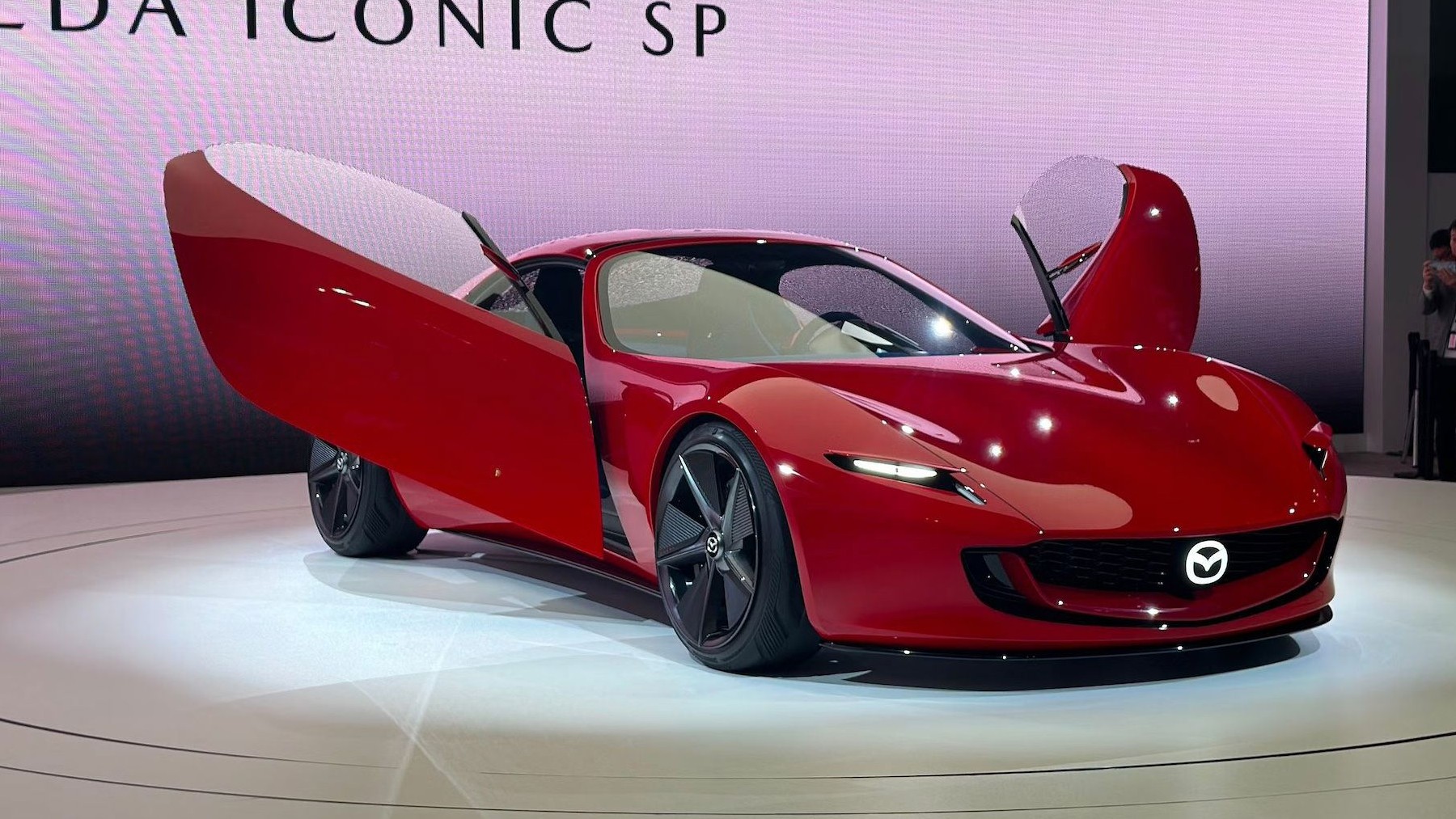
The car is expected to be modeled after the the Iconic SP which was unveiled in Japan in 2023. The car features a compact twin-rotary engine under its sleek hood, but it doesn’t power the wheels. Instead, the SP is electric, with the gasoline engine serving as a range-extending generator to recharge the batteries. Mazda, like other major automobile companies, has recently made advancements with their hybrid technology. The company has filed patents for potential drivetrains that incorporate rotary engines in a gas-electric hybrid system, including configurations where the engine directly drives the rear wheels.
Despite being more inefficient, Mazda has always used rotary engines and doesn’t seem to be giving them up any time soon. Part of what makes Mazda stand out is their commitment to the rotary engine. Prior to Mazda coming along, rotary engines had never been used in cars. While the company does not exclusively use rotary engines, Mazda’s decision to be different ultimately won out in their favor despite initial mechanical hurdles.
Mazda continues to advance their green energy solutions
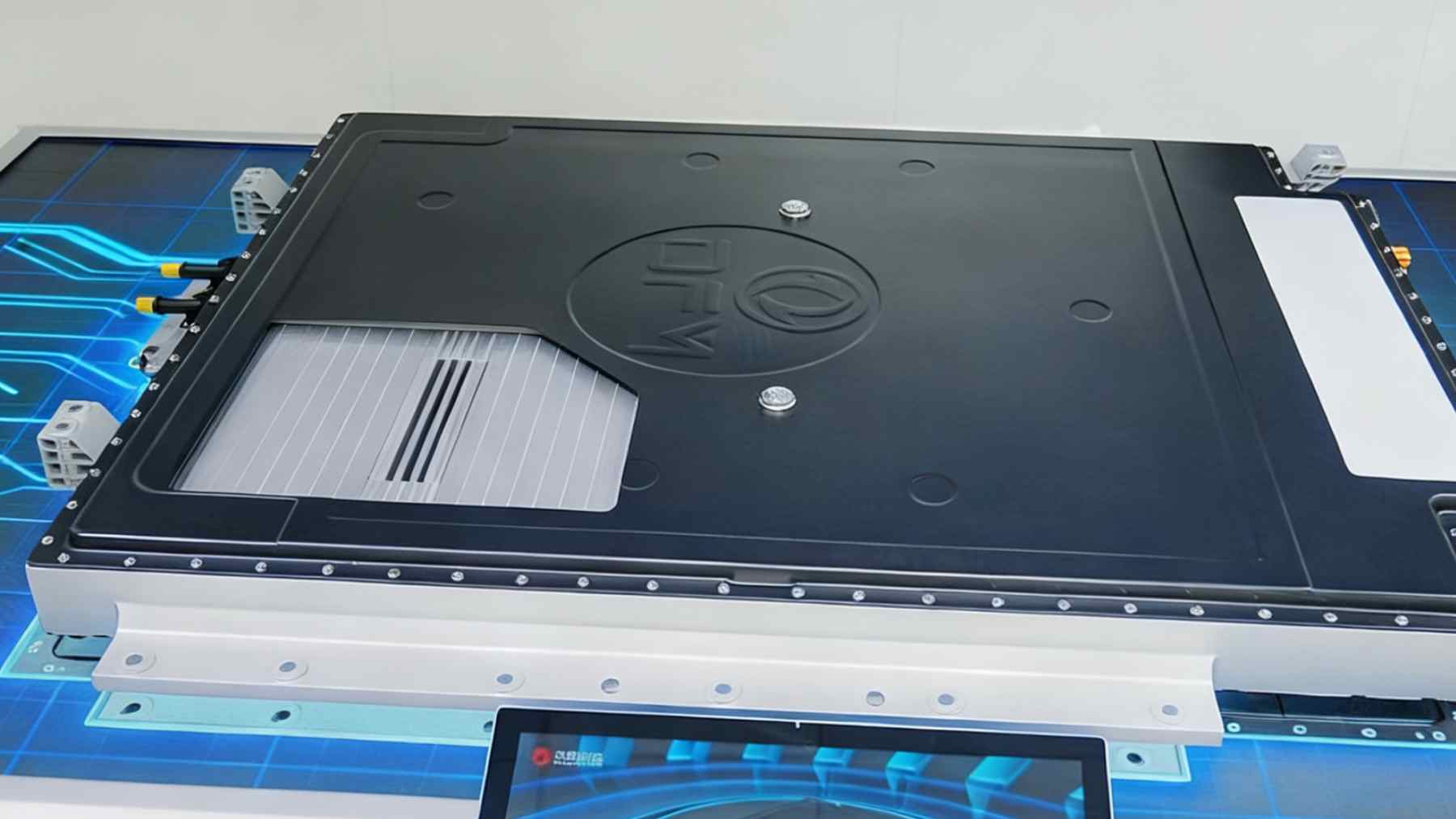
Mazda is in the advanced research phase for solid-state batteries for electric vehicles, although its current priority is the development of a next-generation lithium battery created entirely in-house. The target release for this battery technology is set for 2030. Solid-state batteries are a new technology for electric vehicles that use solid electrolytes instead of liquid electrolytes to conduct ions between electrodes.
Additionally, this new twin engine rotary electric hybrid may be both a comeback for the rotary engine while still committing to climate goals. Mazda’s MX-30 is their current fully electric vehicle while they also feature five different electric hybrid models. In addition, Mazda is one of the few automobile companies to also include hydrogen-powered vehicles in their lineup.
While electric vehicles continue to dominate the market, hydrogen is fast becoming a popular alternative and complement to the electric range. While other major automobile brands are catching on, the Asian market still leads strongly with their hydrogen vehicle ranges. Both Mazda and Toyota are Japanese automobile companies who are both pushing the boundaries with innovative hydrogen vehicle designs.
These companies are exploring new hydrogen fuel cell technologies and creating more efficient, eco-friendly vehicles that could play a significant role in the future of sustainable transportation. As global demand for cleaner energy solutions grows, the competition in hydrogen-powered vehicle development is intensifying, with Asian manufacturers at the forefront of this technological evolution.