A legendary brand has just smashed all liquid fuels (including hydrogen, ammonia and methanol) with a proposal that revolutionizes everything. This is the first engine that runs on something “invisible and floating”, and it comes from the other side of the Atlantic. Could this be the beginning of a new mobility? At the moment, we are talking about the end of EVs, both from Tesla and BYD, so imagine the potential of this incredible invention that has been presented to the world.
Germany is clear about the fuel of the future: It’s “invisible and floating”, and will change everything
Mercedes-Benz has been primarily concentrating on electric and hybrid solutions for the past few years, but now the company returns to the gas engine with the new generation of the iconic S-Class family car. Thus, this move indicates that the automaker is ready to introduce a wide array of powertrain options, given the fluctuations in the market.
The new S-Class powered by gas has been a major effort from Mercedes to launch the actual model. Special emphasis has been placed on research and engineering to produce a new generation of efficient gas engines that are expected of the S-Class brand of the company (of which we have recently talked).
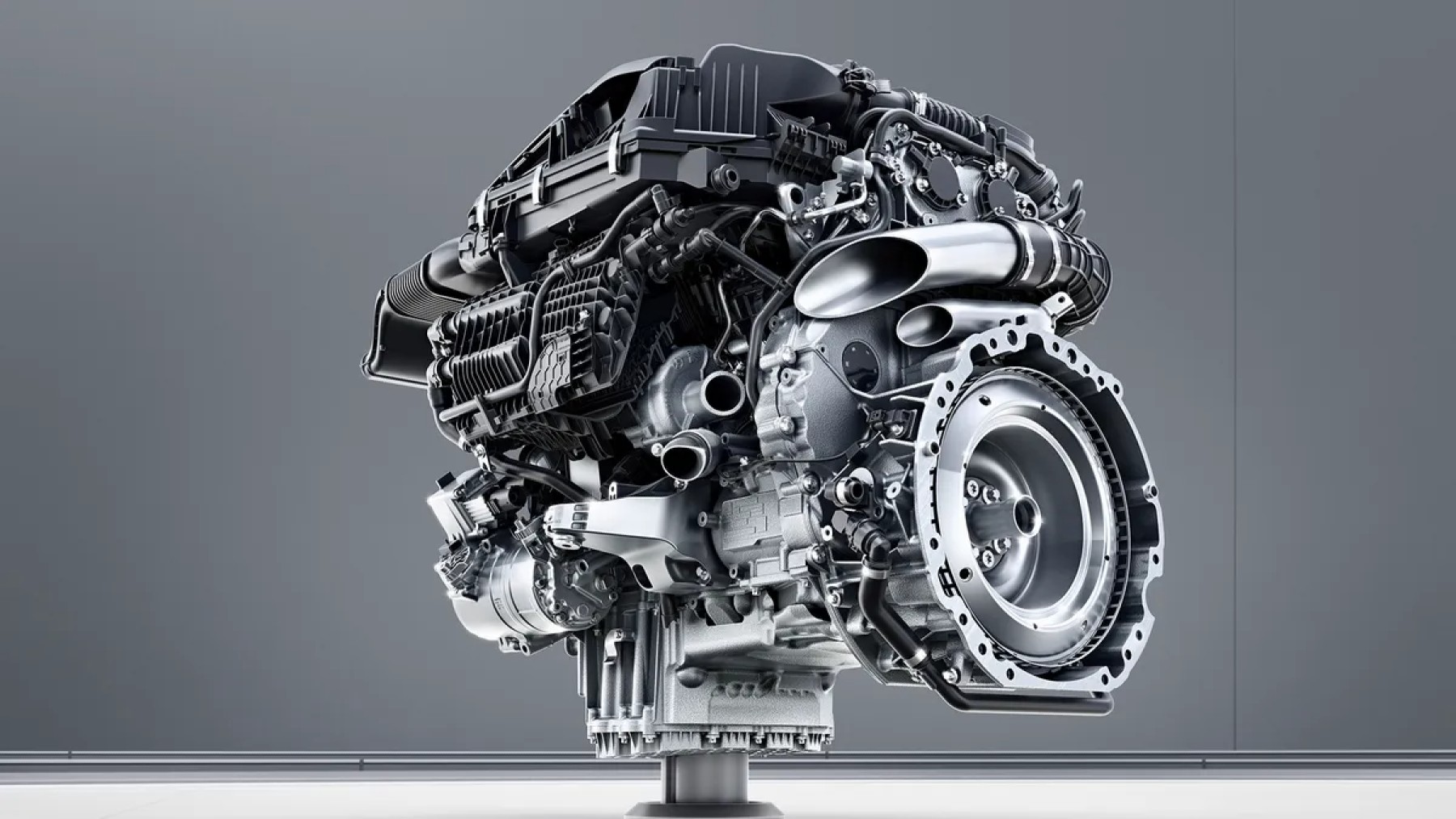
The new models of S-Class cars will feature various models of gas engines, such as the turbo in-line 6-cylinder engine and the twin turbo V8. Inline-six can create up to 429 horsepower and 384 lb-ft of torque, and V8 can create up to 496 horsepower and 516 lb-ft of torque, an unprecedented capacity.
Carmakers don’t understand the latest strategy from Mercedes: Why switch to gas engines now?
These engines have not been the culmination of a lucky guess; they contain the right punch, behavioral efficiency, and polite rumbles. These gas-powered units have been developed with features like direct fuel injection and variable valve timing by the legendary German brand Mercedes.
This change of the engine to gas in the S-Class is part of a long-term plan of Mercedes-Benz manufacturers. The company understands that while electric and hybrid vehicles are emerging as popular markets, there is still a large demand for gas-powered vehicles, vehicles in specific regions, and with certain customer demographics, there is still a large market for these traditional vehicles.
Mercedes has said that it will offer gas cars in addition to electric and hybrid cars down the line. The company also stated that a diversified strategy will be useful in covering the needs and wants of the worldwide customers. Don’t forget that German carmakers (such as Volkswagen) are not committed to the latest ZEVs, like FCEVs.
Mercedes gas engine, in some keys: Why it could be an optimistic, short-term solution
Regarding commercialization, the new generation of S-Class gas models is due to be launched within the current months, and the targeted delivery to customers is set for the second half of 2024. Mercedes has already received overwhelming reactions from dealers and customers, which, in turn, demonstrated rather healthy sentiment for the return of gas engines.
The company is confident that, with the addition of the S Class prestige, comfort, and superb driving dynamics besides the famous gas engines, the new models will be well accepted in the market. Mercedes is also working on the way in which the utilization of efficiency and sustainability of the gas engines as a choice of fuel and the emission control techniques
At this point, we can only consider the Mercedes gas engine as a step forward in new mobility, even if it is a combustion engine. It is true that it is far from the hydrogen and FCEVs of Japan, but it is a short-term substitute for gasoline and even hybrids, making it a revolutionary proposal that could expand on roads all over the planet. It is almost as futuristic as the green ammonia that even Malaysia is developing (and which we told you about).