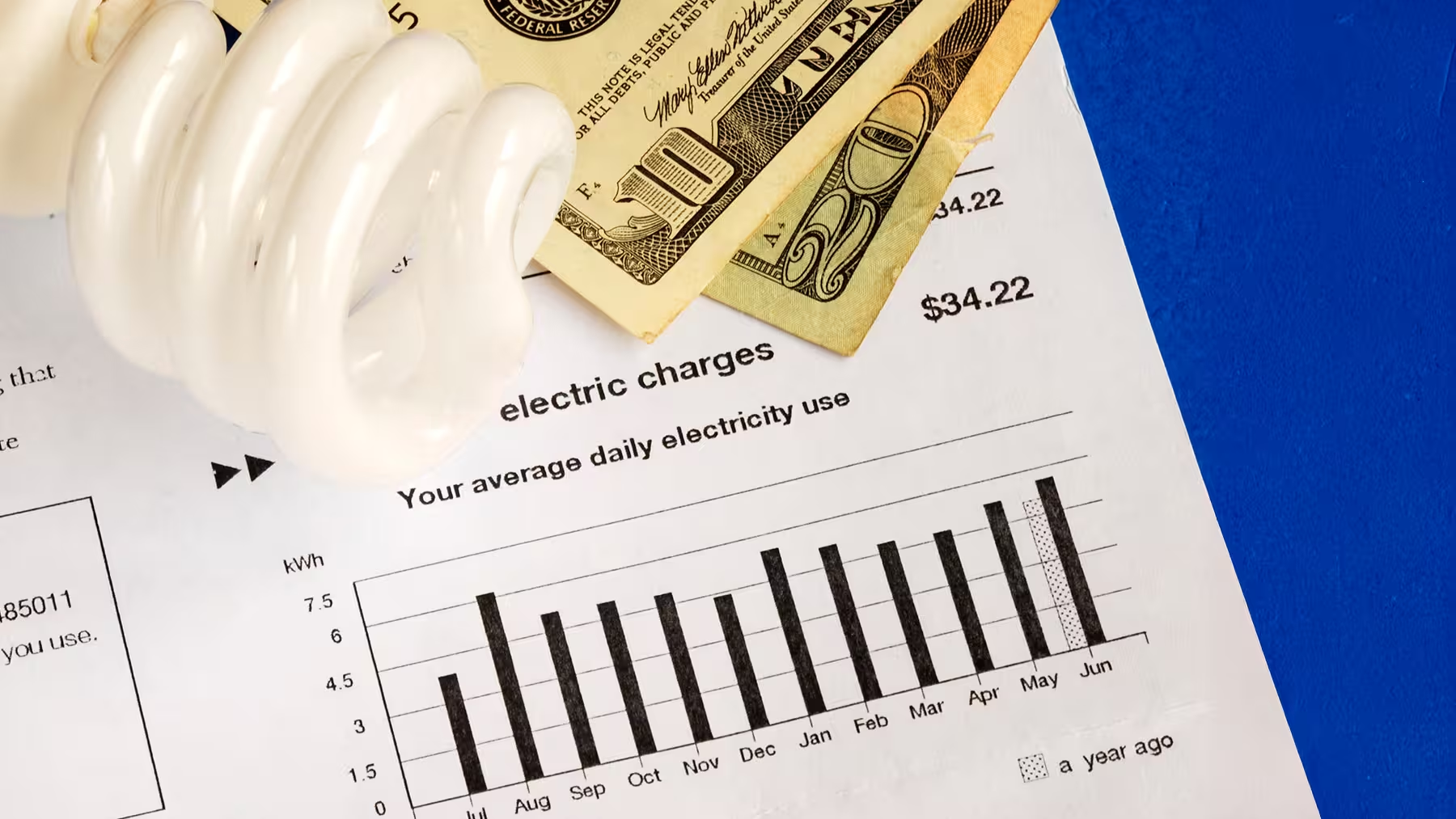
Energy bills may be about to hit harder for families across New York and the Mid-Atlantic. NYSEG is in the process of considering an increase in bills by as much as $33 a month on top of the current electricity rates. This may also result in an increase of $33 for gas. Families who are struggling with inflation will take a financial hit because of this increase.
NYSEG’s possible 23% rate hike will impact family budgets
The New York State Electric & Gas Corporation is considering a 23.7% increase in its tariffs for delivering electricity. This will impact consumers with average monthly consumption volumes of 600 kilowatt-hours. A 33.5% increase in gas delivery service may also be on the cards for consumers who consume natural gas for space heating. These proposed increases have consumers who are preparing for winter and holiday expenses worried.
Melissa Hutchens, a NYSEG consumer in Woodridge, explained her struggle to keep her bills low by “freezing all winter long” and forgoing air conditioning until it is necessary. Of course, these households, along with thousands like them, are only just managing to keep their heads above water.
Fixed-income residents face impossible financial choices ahead
From Broome County, Karen Hoover discussed one of the negative effects it has on vulnerable groups:
“Disabled and senior citizens on fixed incomes have had to choose between paying their electric bills or putting food on the table. These individuals have had to choose which bill to pay, and obviously, you have to pay for your electricity. Families with children have been left without food.”
Utility companies justify massive infrastructure spending increases
According to NYSEG, these steep price hikes are required to finance their “Powering New York” plan, which is a five-year plan to revamp old infrastructure. They say about 40% of this expense is related to past commitments, such as storm damage and maintenance that can’t be put off any longer. NYSEG’s plan includes hiring 1,100 employees and allocating $413 million for low-income programs.
The utility sector is coming under increasing pressure to upgrade old infrastructure, enhance storm response abilities, and revamp tree trimming practices. They have to spend on supporting broadband growth and fulfilling a related public policy goal outlined by individual states on implementing a cleaner energy policy. However, all these upgradations are required to be done without burdening ratepayers with affordability woes.
Proposed rates increase breakdown
Note that the process of increasing rates is lengthy and involves negotiations. The preliminary figures below are still under consideration.
- Electric delivery: 23.7% increase ($33.12/month)
- Gas delivery: 33.5% increase ($33.57/month)
- Combined potential impact: $66.69/month
- Implementation date: May 1, 2026
Hochul declares proposed rises “unacceptably high”
The proposal for these rate hikes has been termed “unacceptably high” by Governor Kathy Hochul. She explained that it is not necessary or acceptable for these utility companies to reap more funds from ratepayers, especially when many families are struggling with utility disconnections across the state. This will impact consumers with average monthly consumption volumes of 600 kilowatt-hours.
The Public Service Commission will conduct public hearings and negotiations before any final determination that will occur early in 2026. The settlement agreement could lessen and implement such increases incrementally, rather than all at once. Such public local hearings should occur later this year. Residents will then have a chance for public grievances to be heard by the officials voting on rate matters.
The commission has recently adopted a new energy affordability policy, which offers bill discounts for low-income households. However, it’s argued that such policies do little in terms of addressing current levels of affordability. At a time when families face potentially catastrophic levels of bill increases, community activism must be taken seriously in order to protect vulnerable households.
Disclaimer: Our coverage of events affecting companies is purely informative and descriptive. Under no circumstances does it seek to promote an opinion or create a trend, nor can it be taken as investment advice or a recommendation of any kind.