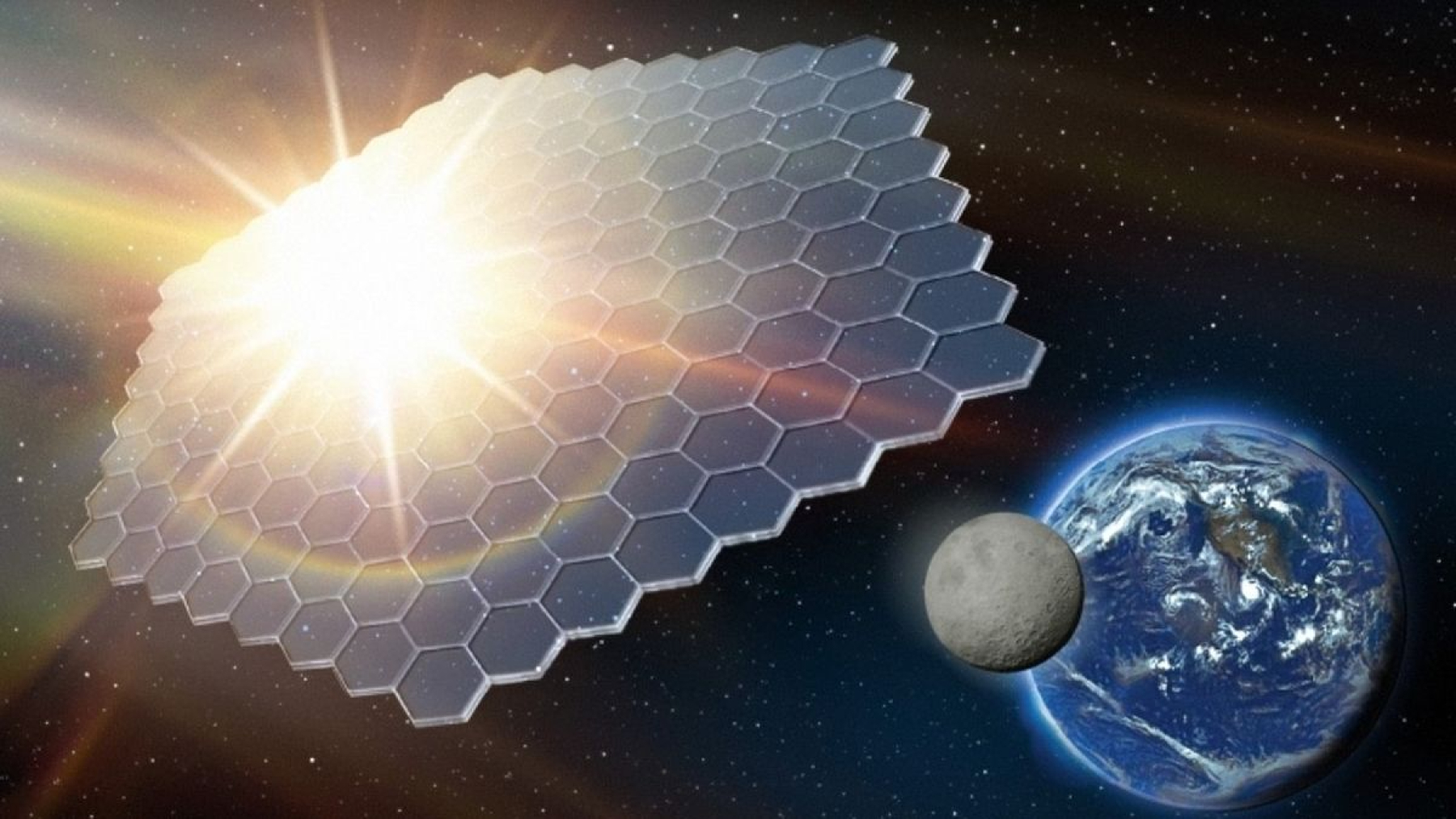
The future of energy production is a remarkably great step, literally, into the space. China has proposed an ambitious plan to build a 1km-wide solar power plant in Earth-geostationary orbit 36,000 km above sea level. This pioneering initiative, which promises to provide energy in an amount equal to the total quantity of oil that can be recovered from the Earth’s reserves each year, is a giant leap forward in the field of renewable energy technologies.
Fib to fact: China’s daring strategy for space-created solar power
Space-based solar power (SBSP) long has been the ambition of science-fiction; however, China is working to turn this fantasy into reality. The project, compared describes shipping the enormous Three Gorges Dam to gaze up into space, includes sending to geo-space solar power satellites to continuously collect sunlight free from Earth’s atmosphere and from clouds.
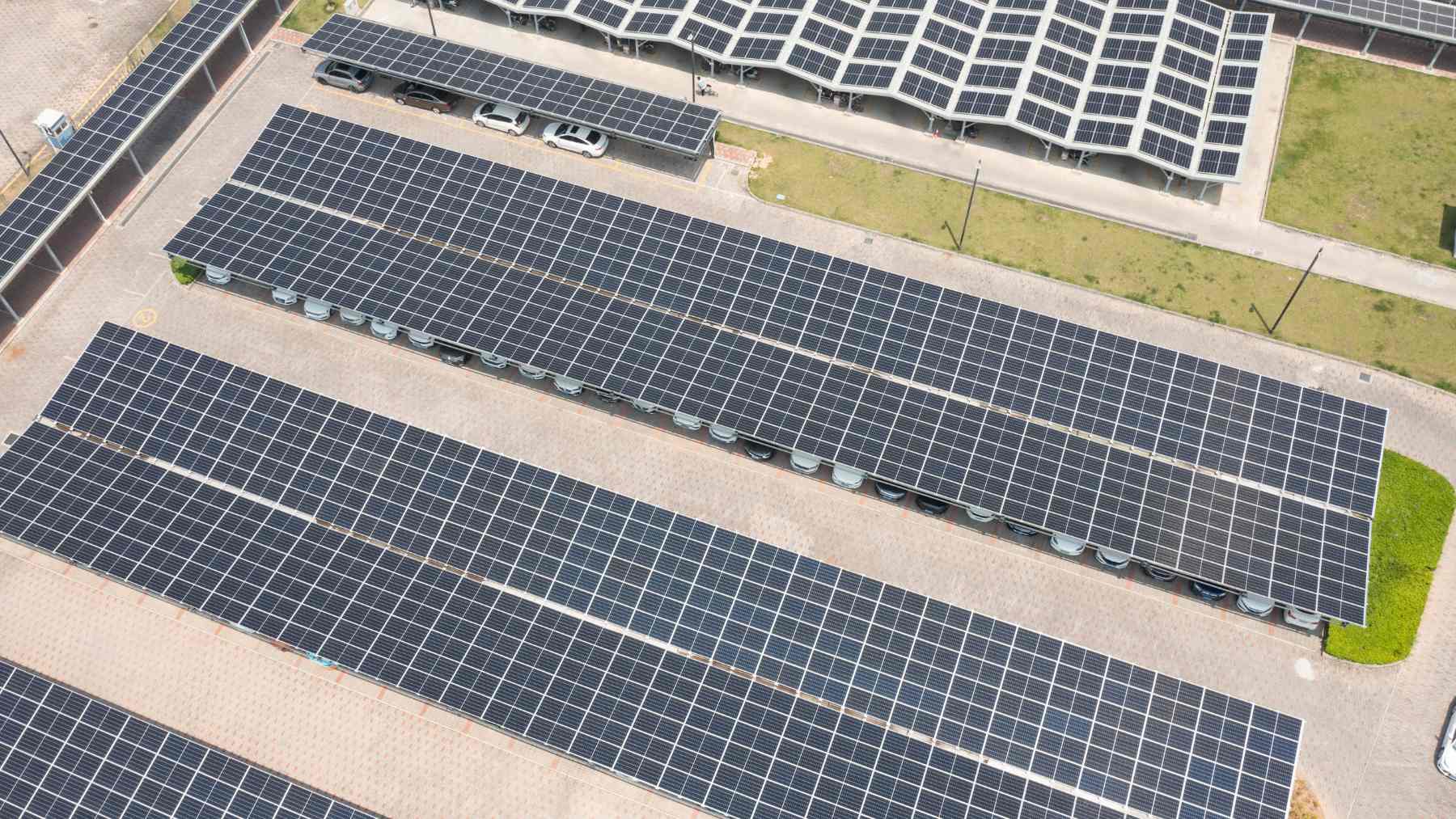
Sunlight is a hundred-fold more potent in space than on Earth. Energy generated by the array will be used to produce microwaves and will be relayed to the ground-based receiver, avoiding the constraints of terrestrial photovoltaic systems (such as this one where photovoltaic energy is turned off by America).
Long Lehao, the principal investigator of this project, states that it is not only important but revolutionary. A year worth of energy collected is the equivalent of oil that could be pumped out of the planet,” he said, while framing the potential of the project to change the world of energy resources.
China’s Long March-9 high-lift rockets (each with a lifting capacity of 150 tons) are going to be essential for assembling the solar array in segments in orbit. This reusable rocket technology is not only the key to the solar station, but also one of the steps in China’s grand space ambitions, including a lunar laboratory in 2035.
Rivers to space: The ensuing energy frontier of China
China’s experience in the development of mega energy infrastructure is demonstrated by the Three Gorges dam, the largest hydroelectric power plant in the world. Located at the Yangtze River, this engineering feat generates almost 100 billion kilowatt-hours of electricity per year while providing flood regulation and river transportation capabilities.
The Three Gorges Dam, constructed over 17 years at a cost of 35 billion, has demonstrated China’s ability to undertake monumental projects. Currently, with the solar space station, the nation seeks to replicate and achieve this objective in the outer space. The comparison of the project with the Three Gorges Dam highlights its importance, its scope and the scale at which it can contribute to achieving energy sustainability.
The universal battle for space-created solar power
No country is only exploring the possibilities of SBSP, China is also doing so. In other countries, such as Japan, the USA, and Europe, this new technology is also explored. In Japan the Japan Aerospace Exploration Agency (JAXA) is preparing a proof-of-concept satellite launch, while in the UK the company Space Solar is making progress with wireless power transfer.
A particularly noteworthy success is Space Solar’s 360° wireless power transfer, setting the road for safe and effective energy beaming from space to the earth. Paul Bate, chief executive of the UK Space Agency, Dr. Paul Bate, described the technology as a “game changer”, and pointed to the UK’s prominence in the push towards in-orbit manufacturing, debris clearance and large structure deployment.
With such advancements there is a timely need in a world where global energy needs are expected to more than double by 2050. SBSP has the potential to offer scalable and replenishable supply to address this increasing demand, and it also has potential to minimise the dependence on fossil fuels.
China’s solar space station is a momentous stride towards the sustainable energy options humanity is seeking. Using the endless energy of the sun in space, the initiative is expected to provide energy solutions to energy needs around the world as well as encourage other countries to be innovative in the field of renewable energies (like this solar panel that works with the moonlight). As this extraordinary vision inches closer to reality, it marks not only a technological milestone but a testament to the boundless possibilities of human ingenuity in shaping a sustainable future.