As the Painted Ladies burn in LA, lighting up Los Angeles, Elon Musk is touting a much more technologically advanced resolution. Cybertrucks by Tesla and satellite terminals by Starlink have been sent to help battle the ongoing fires. These technologies also highlight Musk’s focus on new disaster relief advancements by offering electricity and connectivity in support of the first responders. It is evident, therefore, that this effort demonstrates how the application of contemporary science and innovation can facilitate massive transformation in the approaches implemented in handling disasters.
Cybertrucks in action: An article that looks into how Tesla electric trucks are helping and saving the day
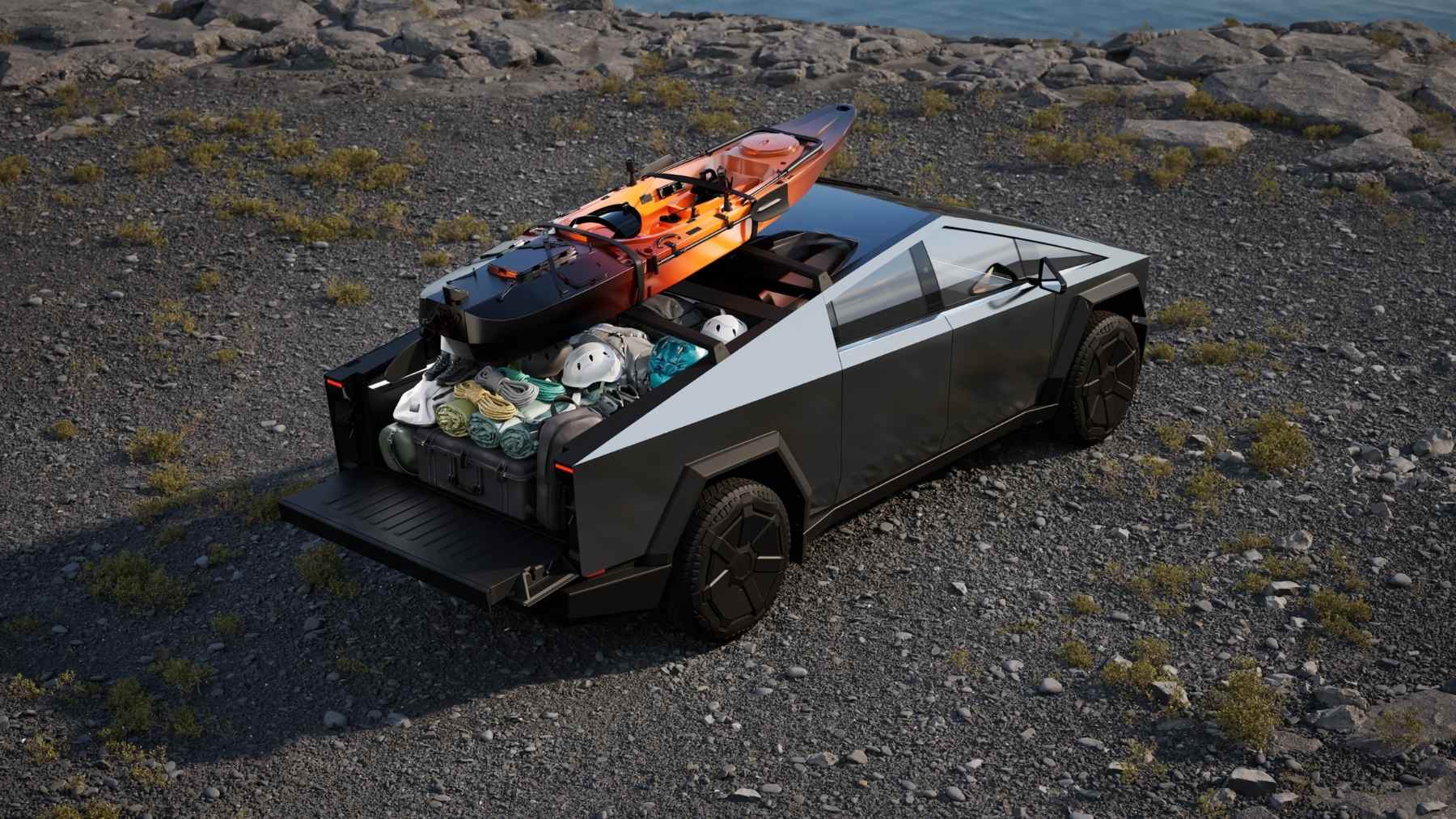
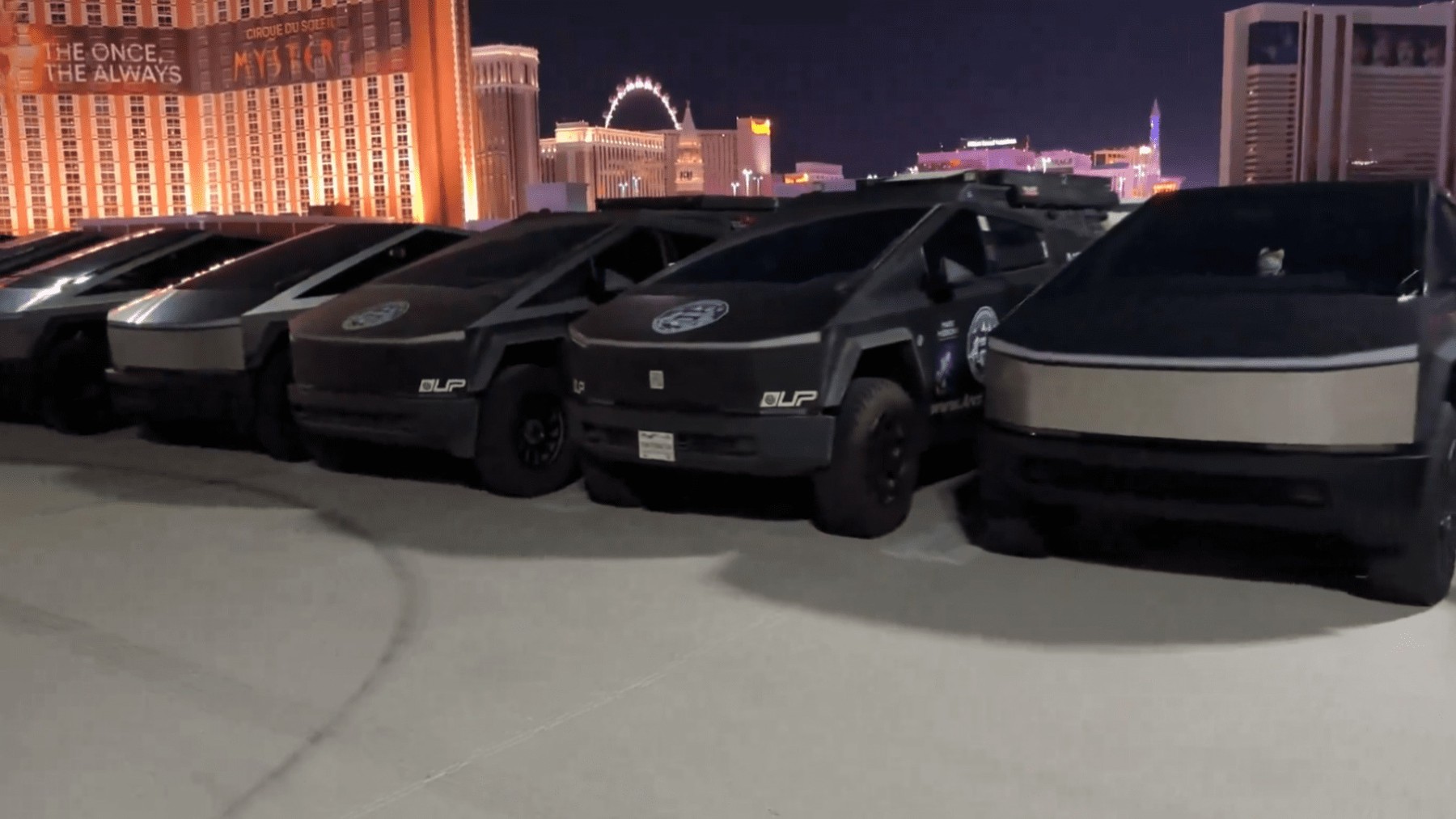
Tesla Cybertrucks are entering an entirely different kind of job as they drive to Los Angeles. Before that, Musk justified their usage for electric cars as mobile battery power stations and charging stations with Starlink terminals on board. They also supply power to apparatuses used by firefighters in regions where conventional structures are being brought down. The cyber trucks are already showcasing their ability to deliver power and the Internet while supporting the LA fight against fires.
The Altadena Mountain Rescue Team said the vehicles arrived on Saturday at the LA County Sheriff’s Department Altadena station. Its deployment shows the flexibility of the Cybertrucks since they are built to perform in harsh environments. This is another fantastic example of utilizing its technology, which has enabled Tesla to solve critical issues.
Free Starlink internet: A source of aid for those who suffered and the rescuers themselves
Musk’s Starlink service also shares an internet connection with those affected by the fires so they can still communicate. This connectivity is especially important to residents and first responders in these areas since they are often remote and tied. However, what the citizens were promised as a ‘free’ service was the opposite: they had to purchase the hardware for approximately $345.
Critics may argue that this is actually an extension of Starlink’s typical 30-day trial period, but to have working internet right now is undeniable. This service enhances the timely dissemination of information to communities, making coordination during such disasters efficient.
Elon Musk vs. California: Wildfire response and politics get a boost
Musk has not been quiet in his criticism of how California has dealt with wildfire, especially what he considers ‘over-regulation.’ He has also denied or played down the extent of climate change in causing the fires. One of them included proposing that spending time and money on diversity within the Los Angeles Fire Department ranks resulted in the loss of lives, making people furious.
Governor Gavin Newsom fired back at Musk through his post, sharing a statement from a firefighting official debunking Musk’s water shortage claims during a live stream. The incident of Musk’s confrontation with state officials shows that disaster management is not only political and social but also simultaneously politically and sociological.
A new era of disaster response: Technology and innovation have become sources, drivers, and servants simultaneously.
It was used by the ministries of Defense and Internal Affairs for Cybertrucks and Starlink terminals; it will be noted that providing such vehicles is a breakthrough in managing emergency situations. Musk’s method shows how the sophisticated system can offer immediate service, which will solve electric and communication problems. Using this model for subsequent disaster relief efforts worldwide may be possible.
In the future, if these technologies succeed, they may be adopted more often, changing how emergency responses are handled. Affordable and trustworthy power and connectivity to deliver critical disaster services are lifesavers to first responders and energizers to affected persons. They could transform disaster resilience and recovery, as seen over the years as technology advances.