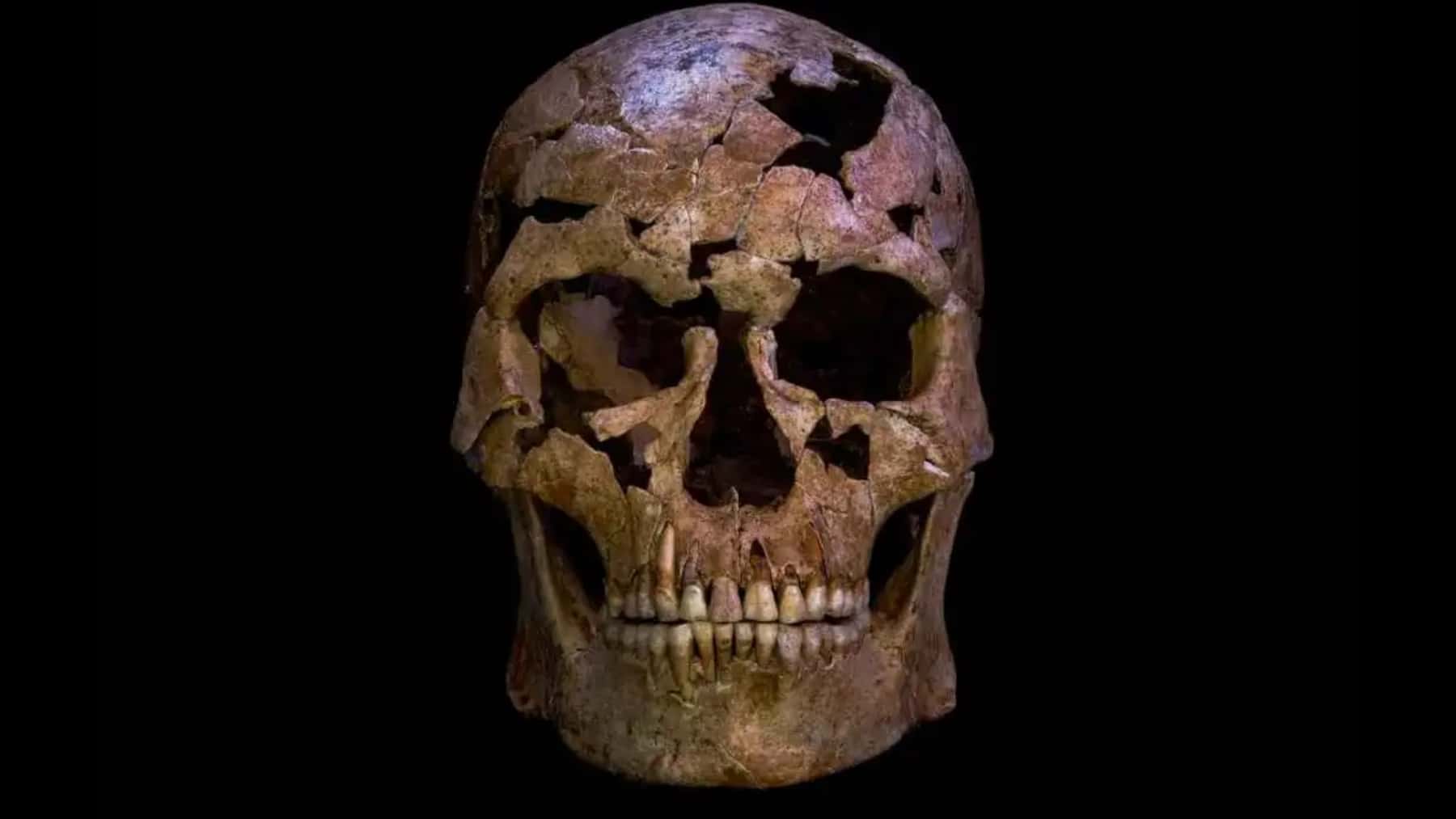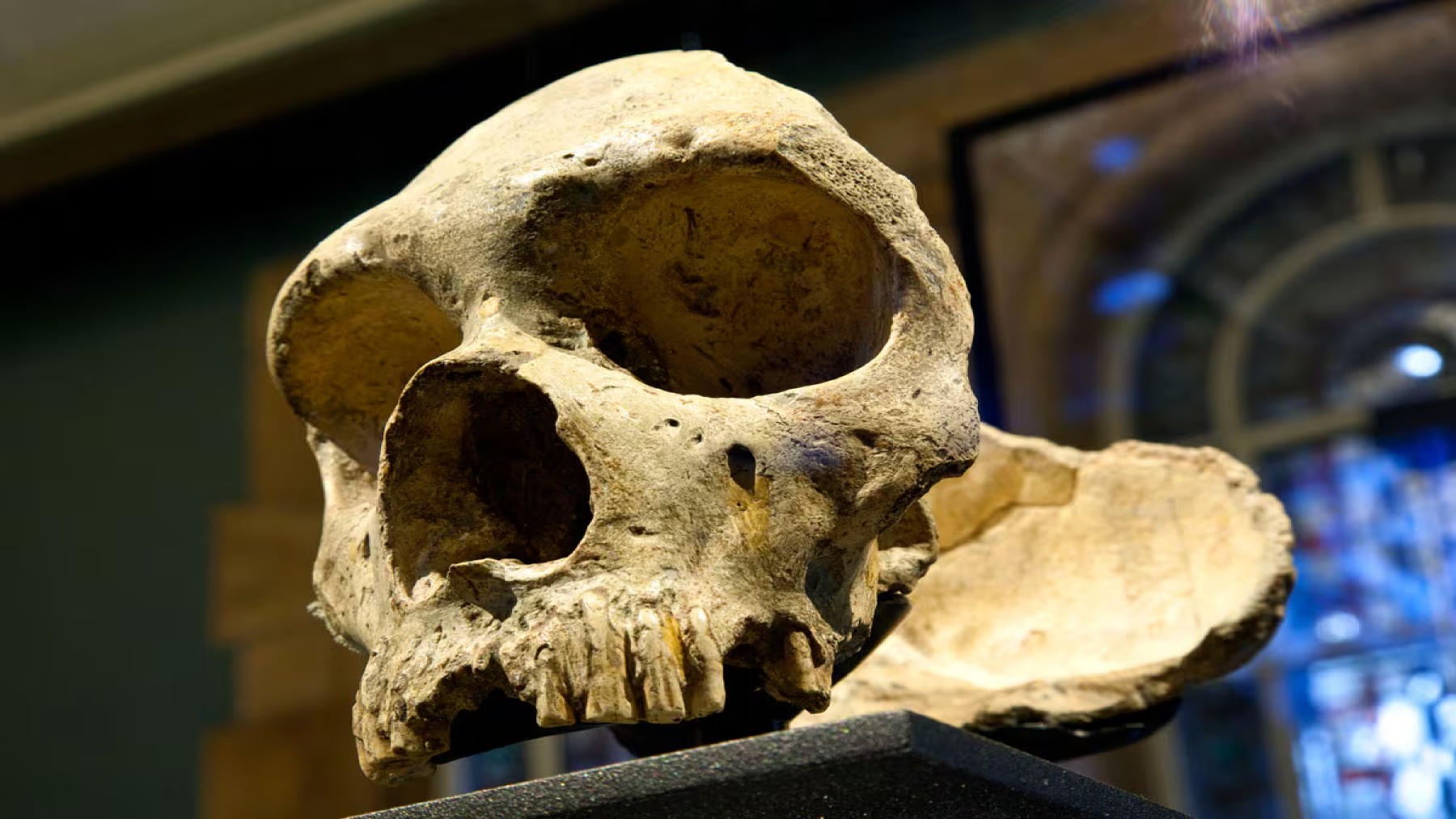
Recent discoveries have elicited a remarkable refinement in the way evidence has been viewed regarding neanderthals, ancient relatives associated with the modern man who became extinct some 40,000 years ago. Alongside that, two scintillating papers put flesh on the bones of extinction and diversification, breaking well-entrenched notions about this mystical population.
Fresh research: The interbreeding of neanderthals and homo sapiens is greater than earlier believed
New research from Science affirms that neanderthals did not disappear from Earth but got mixed with populations of homo sapiens. The study researchers analyzed genomes of three neanderthals, one from Croatia and two from Siberia, and have found evidence that interbreeding between the two happened earlier and more often than previously believed.
It was 200,000 years ago when homo sapiens ventured from Africa; during their earliest time in that area, they intermarried with neanderthals. This suggests that at least 10% of the DNA in these genomes from neanderthal shows that interaction was huge.
This exploitation continued to reduce numbers for neanderthals so that now, because of migration, there are difficulties left for fewer than 2,500 of them, scattered across Europe. Isolated and outnumbered, neanderthals are slowly assimilated. “Sapiens’ immigration overwhelmed neanderthals, integrating them into sapiens genetics,” says the co-author, Joshua Akey. Now, these neanderthal genes survive in contemporary humans to show that they were integrated.
Neanderthals not a single population, new study says: Several lineages were stage
A recent study by Cell Genomics indicates that neanderthals were not a single monolithic group but comprised at least two separate lineages. Among them is the lineage of a neanderthal called Thorin, who lived in the Mandrin Cave, France, and shows genetic link with other specimens like Nana of Gibraltar, thus indicating geographical as well as genetic diversity (like this one discovered in China).
Within lineages more than 50,000 years ago, Thorin’s lineage diverges from others. After that, it remained isolated, according to other known neanderthal movements, which opposes the perception of neanderthals as a single species and appeals to much unexplored and proper social and migratory behavior. It also mentioned evidence of a ghost lineage that contributed to existing neanderthal types, without fossil representation, reflecting how much about their diversity is still unknown.
Neanderthal extinction: The end of the neanderthals written in the stars due to climatic transients and competition between homo sapiens and neanderthals
How these ancient beings extinguished have been a tantalizing puzzle to scientists for many years now. This study provides new evidence on the forms of their eventual extinction interbreeding coupled with small population size and competition with homo sapiens.
At first, interbreeding seemed to enhance the diversity in the neanderthals, but it might also have made them vulnerable. Over time, these isolated groups had enough inbreeding and small number size to not allow many of their genetic traits to remain healthy, making them susceptible to environmental changes and a competition for resources.
Such advancements would include a more powerful tool, larger human networks, and generally, the ability to innovate amongst homo sapiens. Likely to outcompete the neanderthals, as opposed to these small, scattered bands, did organize homo sapiens. Over time, these populations merged and eventually became extinct as successive waves of migrating homo sapiens overwhelmed them.
So, from here, neanderthals were very flexible, adaptable beings that interacted with homo sapiens and other hominins. From a slightly different angle, it further indicates the risk that very small, isolated populations face from much larger connected groups.
Tracing genetic links between neanderthals and homo sapiens, the newly published research indicates that their story is one of co-adaption rather than outright extinction. Neanderthal genes continue to survive in modern humans, pointing to their intermingling history with humankind (like the one discovered in China and shocking the world).