Neurodegenerative diseases have always been in the focus of contemporary medicine, until it was Elon Musk who dared to take a step considered taboo for several decades. What did he do? The tycoon implanted the first Neuralink in human beings, breaking with established ethics. Following his path, they have just presented the first neural earbuds that are capable of controlling a human being and that work in a way that not even science fiction could have predicted.
The first-ever neural earbuds were unveiled: They could create “superhumans” as they interact with the brain
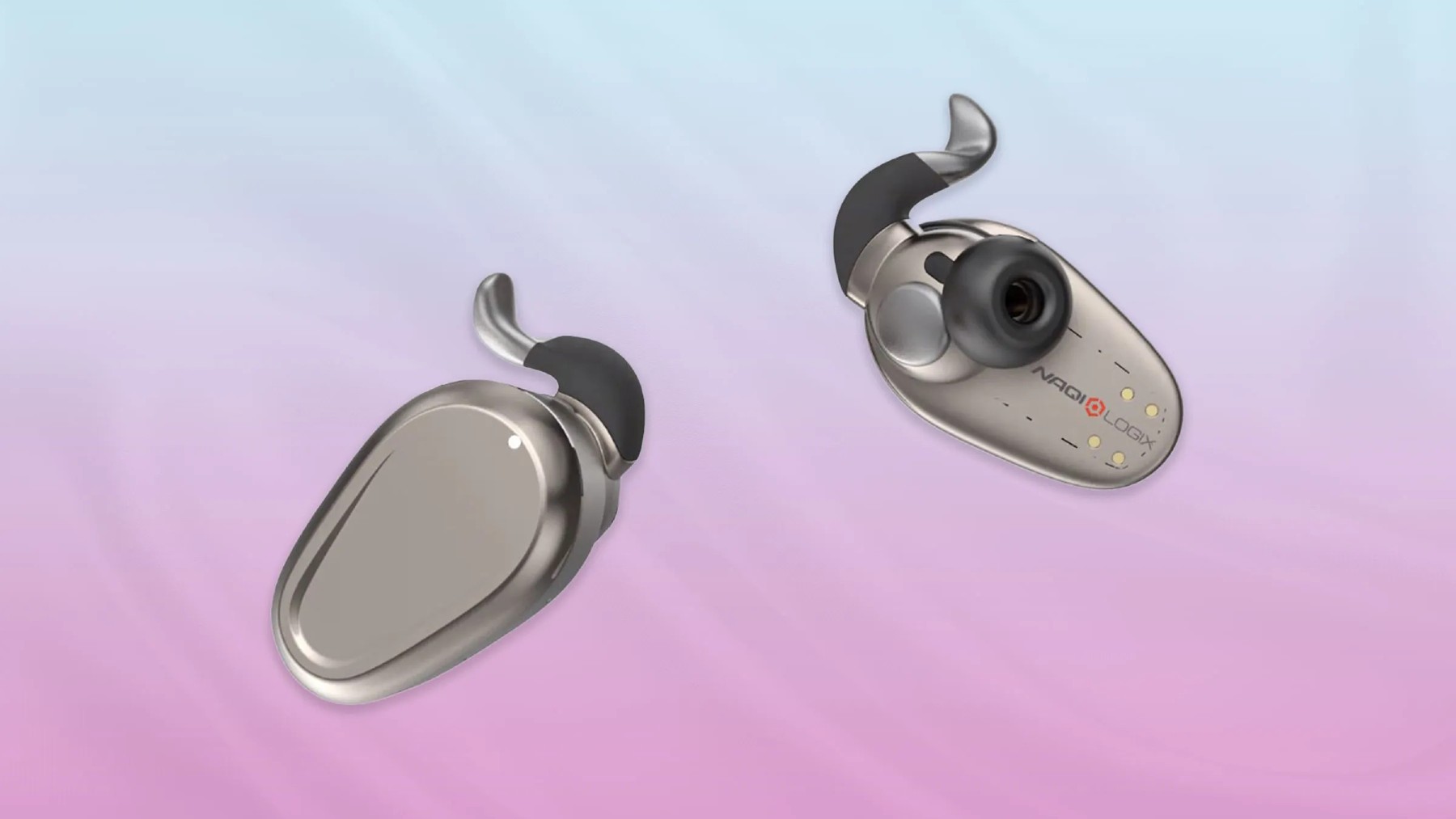
Naqi Neural Earbuds are wearable devices that are intended to function as a hands-free, voice-free, and screen-free controlling interface that can manage numerous types of devices, starting from smart houses up to mobility aids, only based on subtle movements of the body.
The earbuds use biosensors to identify microgestures, or slight movements of the head and face, which may be barely noticeable and include grinding teeth or brow furrowing. These gestures are interpreted as instructions, which can facilitate an individual’s ability to communicate effectively with devices in the environment.
- Microgesture Detection: They are also capable of sensing even the slightest movement of the body and turning it into instructions without necessarily using the spoken word or a tap on the buds.
- Versatile Control: By using it, users are able to control other devices such as wheelchairs, home appliances, and gaming systems, among others, thus making it a powerful tool in the general improvement of independence among disabled persons.
- Non-invasive Technology: Thus, Naqi Neural Earbuds are not as invasive as some other technologies that might need implantation; therefore, they will be available to a much larger audience.
- Advanced Sensor Technology: Gyroscopic control and biosensors are used in the earbuds, and Gyroscopic control and biosensors enable the device to detect the user’s intentions from the small movements made.
It’s not science fiction, but it seems to be so. It’s a groundbreaking development, in detail
As you may imagine, we would compare the Naqi Neural Earbuds to ideas that are genuinely out of a science fiction movie, especially where technology and man become one. The evolution of their creation came from a real-life experience and, more specifically, the ordeal Keith, a colleague of David Segal – one of the co-founders of the social robots, underwent when he became quadriplegic.
This situation made people look for a way of assisting the physically challenged, leading to the development of Naqi technology. Besides, the creation of Naqi Neural Earbuds has been a careful and deliberate process that has focused on the requirements of the earbuds’ application and usability.
Keys to understanding its performance in the present, and plans to revolutionize the future
That is why Naqi Neural Earbuds are not only an example of the conceptual innovation, but also a device that has shown high potential in real-life scenarios. The technology is expected to meet the emerging Internet of Things (IoT) market, boosting it to approximately $2.46 trillion by 2029.
This growth is a result of the rising integration of smart devices and the need for effective methods of commanding such devices.
The earbuds have already garnered attention for their performance capabilities, which include:
- Universal Device Control: They can control many IoT devices to offer an IoT front-end to manage smart houses, cars, and PCs.
- Market Growth Potential: In terms of the market forecast and the estimated growth rate of 414% by 2029 for technologies like Naqi’s, it is safe to state that the demand for such innovative solutions is strong.
- Intuitive User Experience: With natural movements of the body, the intention to use this type of earphones can be effectively controlled, thus giving more comfort to users due to the advanced technology used in their design.
The development of the Naqi neural earbuds is a demonstration of innovation taken to the limit (as we have seen on other occasions), but now they have gone even further. The key will now be to improve compatibility with certain neurodegenerative diseases that could be treated, although that is not the main focus of this invention. Its developers are more interested in home automation and the internet of things as a preliminary step to the interconnection that experts are saying we are getting closer to.