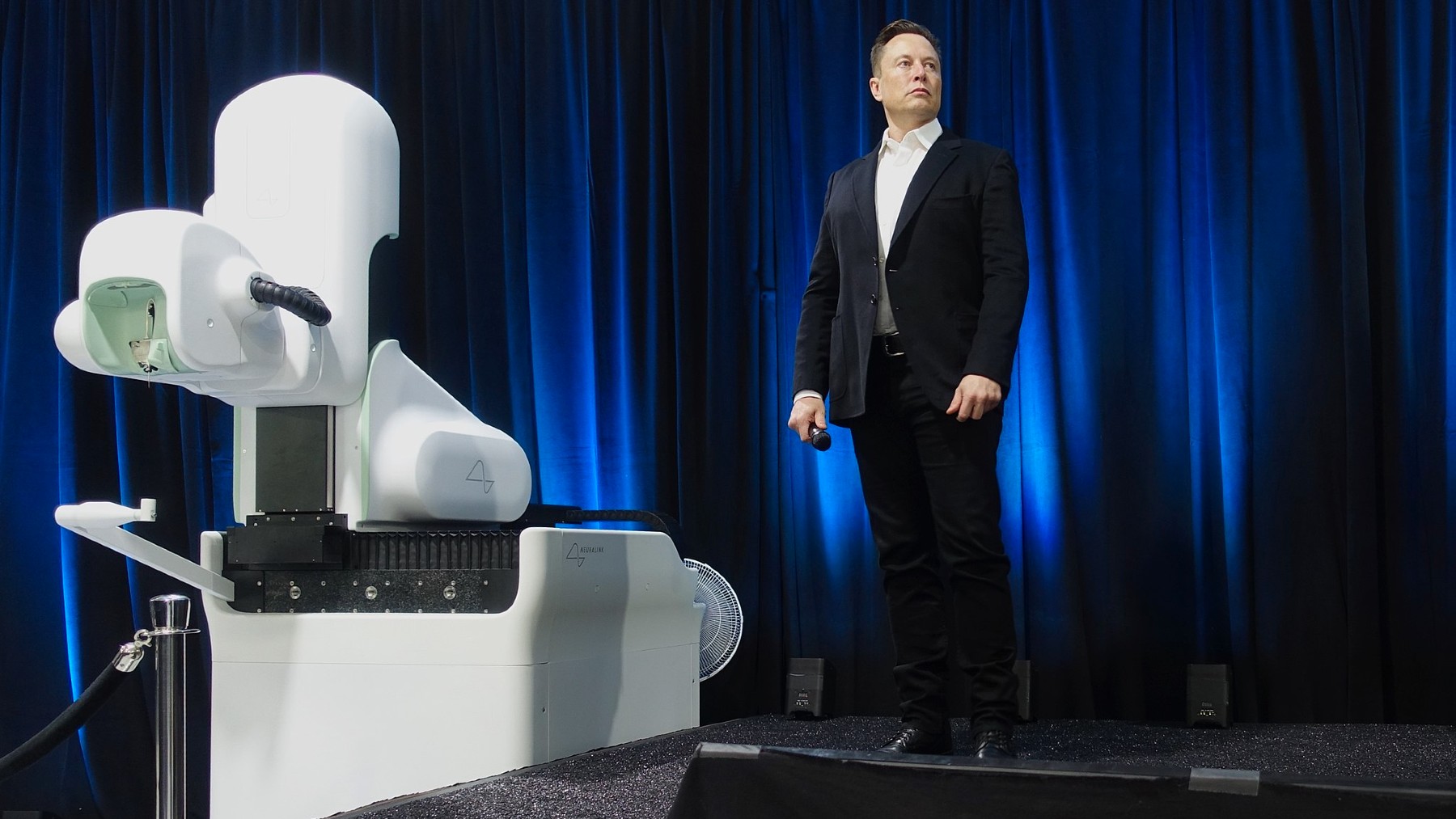
Neuralink, the neurotechnology startup owned by Elon Musk, is actively planning to insert its experimental brain-machine interface into a second human guinea pig — developing its audacious mission to merge human beings with AI. This development occurred after one of its first human trial subjects recently received the implant earlier this year, eliciting essential data and feedback to refine the implant and the surgery process.
The move to the second participant proves Neuralink’s eagerness to step further with its revolutionary technology, although it has been criticized for its ethical concerns and regulatory issues concerning BCIs. In the future, the company will strive to optimize the methods to improve the device and collect additional information on long-term outcomes and the potential uses of this innovative technology in treating neurological disorders and other ailments.
Neuralink begins second human trial phase: Critical changes made to implantation procedures for better results
The next upgrade for Neuralink will begin trials on the second volunteer, Elon Musk says, in the next week or so. Some changes are being made to the surgical procedure and the device’s positioning, including problems that the first participant faced. These changes involve extending the threads of the device into the brain tissue, better monitoring the movements of the threads, and shaving down the skull surface to ensure that it is as flat as possible beneath the implant.
These adjustments seek to eradicate issues such as thread retraction and air pocket formation that characterized the first implantation. The team hopes that these refinements will achieve better results and that the devices will perform better in future trials.
Early implant recipient shares insights: Neuralink’s initial results reveal both promise and challenges
Noland Arbaugh, who got Neuralink’s brain implant in January, has offered invaluable information about the device’s usability. First, Arbaugh can manage the movements of a cursor through the power of his mind and perform various physical actions, such as playing video games, sending e-mails, or browsing the Internet. But after a few weeks of surgery, the implant developed a problem, and some of the threads were retracting from his brain.
However, Neuralink has had to change the neural recording algorithms and enhance signal interpretation to enable Arbaugh to regain control of the computer, even though only 15% of the implant thread was effective. Thus, this durability proves the effectiveness of the concept and indicates the need for further improvement in the functioning of brain-computer interfaces to use them effectively in the future.
Neuralink’s ambitious future: Multiple implants, higher bandwidth, and new products to revolutionize neurotech
He has set great targets for Neuralink, including the plan to implant the gadget in the “high single digits” of the participants this year. The company is also working on a next-generation implant with 128 threads, each with eight electrodes, doubling the bandwidth of the brain signals being obtained. In the long run, Musk plans to use the brain-computer interface to solve the ‘civilizational risk of AI’ by connecting humans and artificial intelligence in tune.
On the same line, another product in development at Neuralink is called Blindsight, a product that will enable those with blindness to see, basically artificial vision. Thus, the transition to the second human trial subject marks a significant milestone in developing Neuralink’s brain-computer interface tech. Although, significantly, the company has had difficulties with its first implant, insights derived from these issues may help it progress through several design-surgery cycles quickly.
As Neuralink advances its innovations and the company undergoes experimentation, the opportunities are highly impactful for people with paralysis and other neurodegenerative disorders. Nevertheless, moving forward to practical implementation is still challenging since numerous technical, ethical, and regulatory issues exist. The next few months and years will decide whether Neuralink will be able to achieve its goal of integrating brains with computers in humans, changing how people interact with machines, and treating neural disorders.