The most futuristic fuel ever known to mankind is also the one most in question. The reason? A new competitor has just appeared, and we are not referring to EVs or gas. This could be the first hybrid hydrogen engine, with a bifuel that expets do not understand how it can work, although we can already tell you that it does so in an impressive way that has everyone in suspense.
Hydrogen will become history with this new fuel: attention to how it works
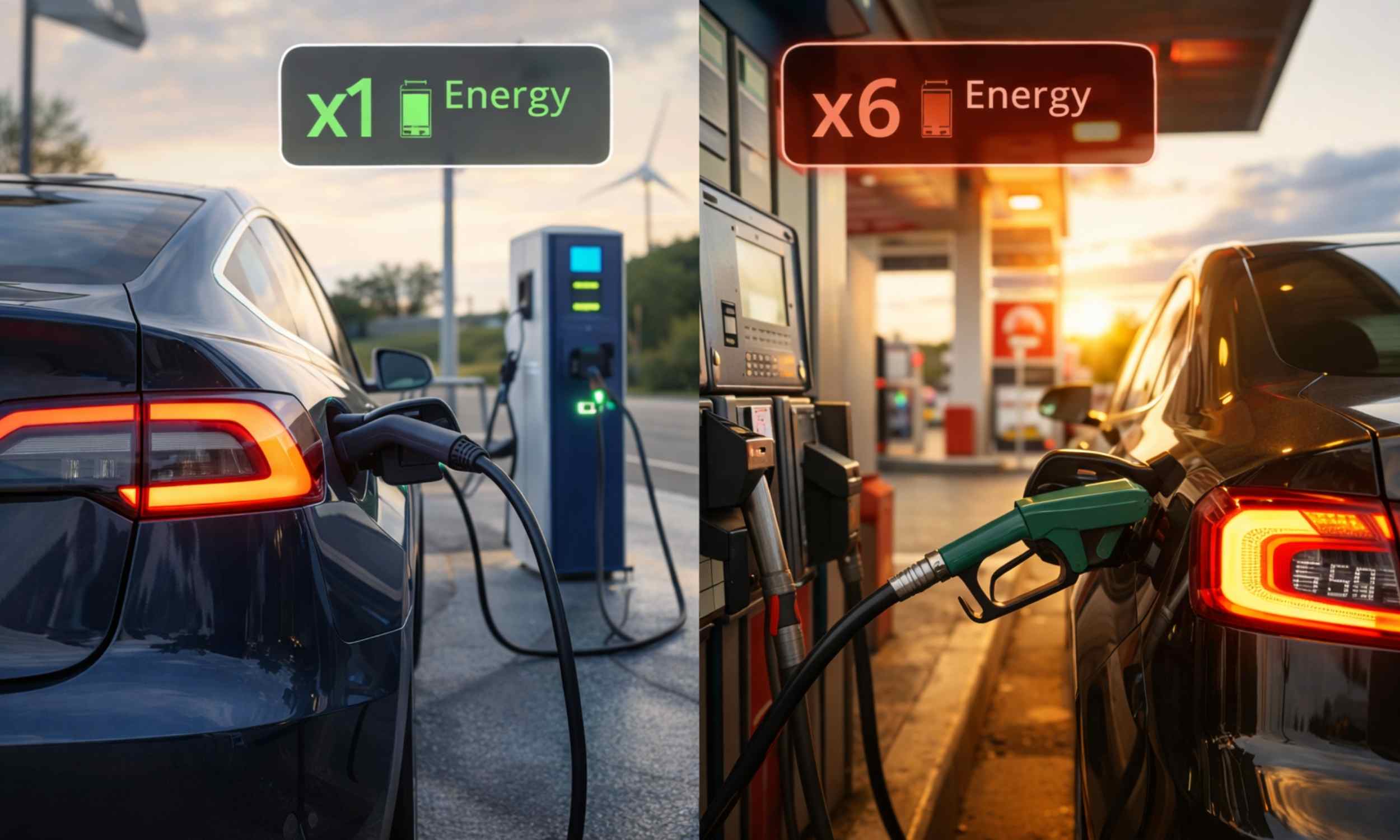
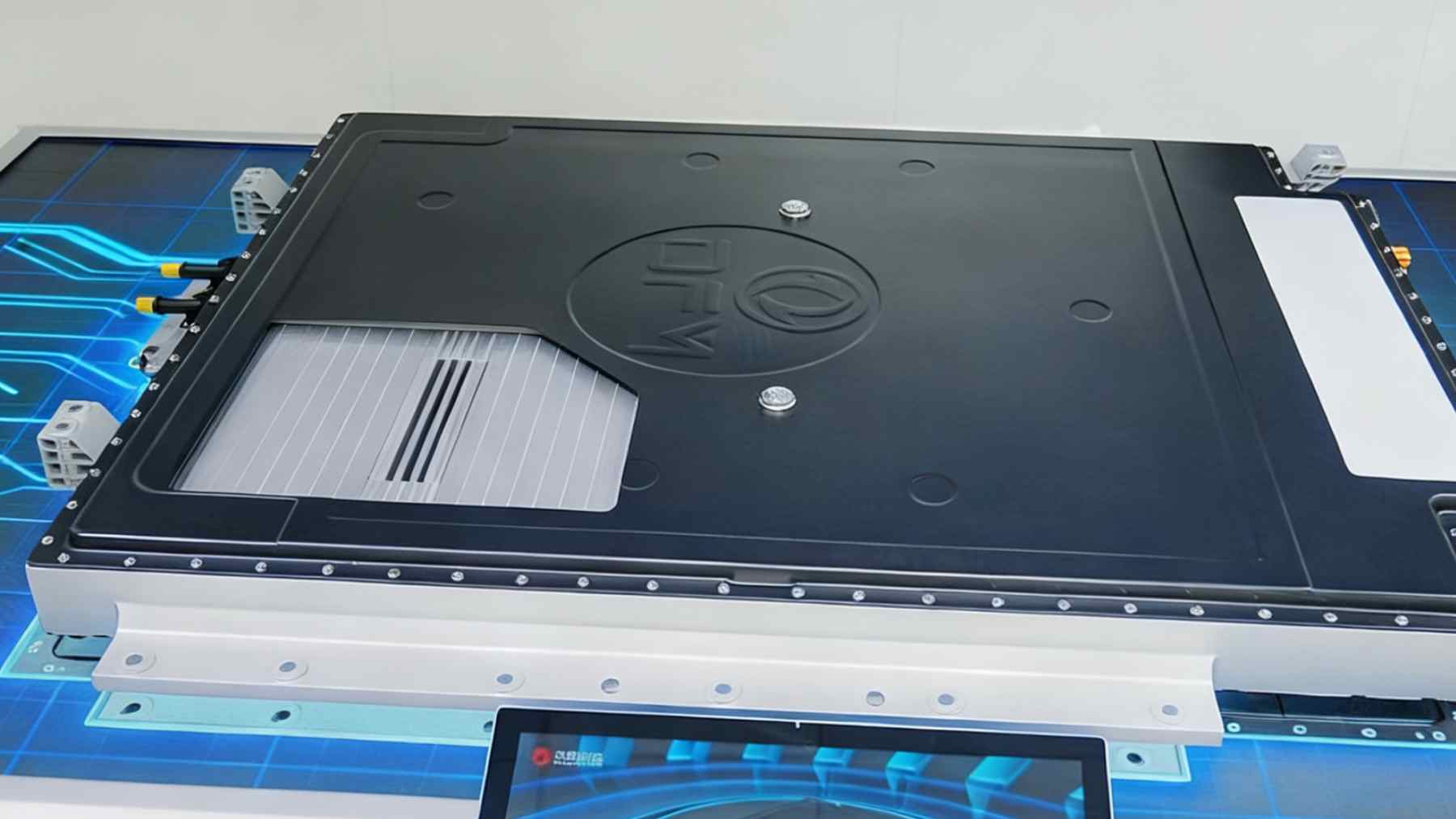
The automotive industry is currently working on innovating new types of alternative fuel vehicles such as hydrogen FCEVs and EVs with the greatest known oil reserves. FCEVs drive on hydrogen fuel cells and their electric motors while EVs use large battery packs.
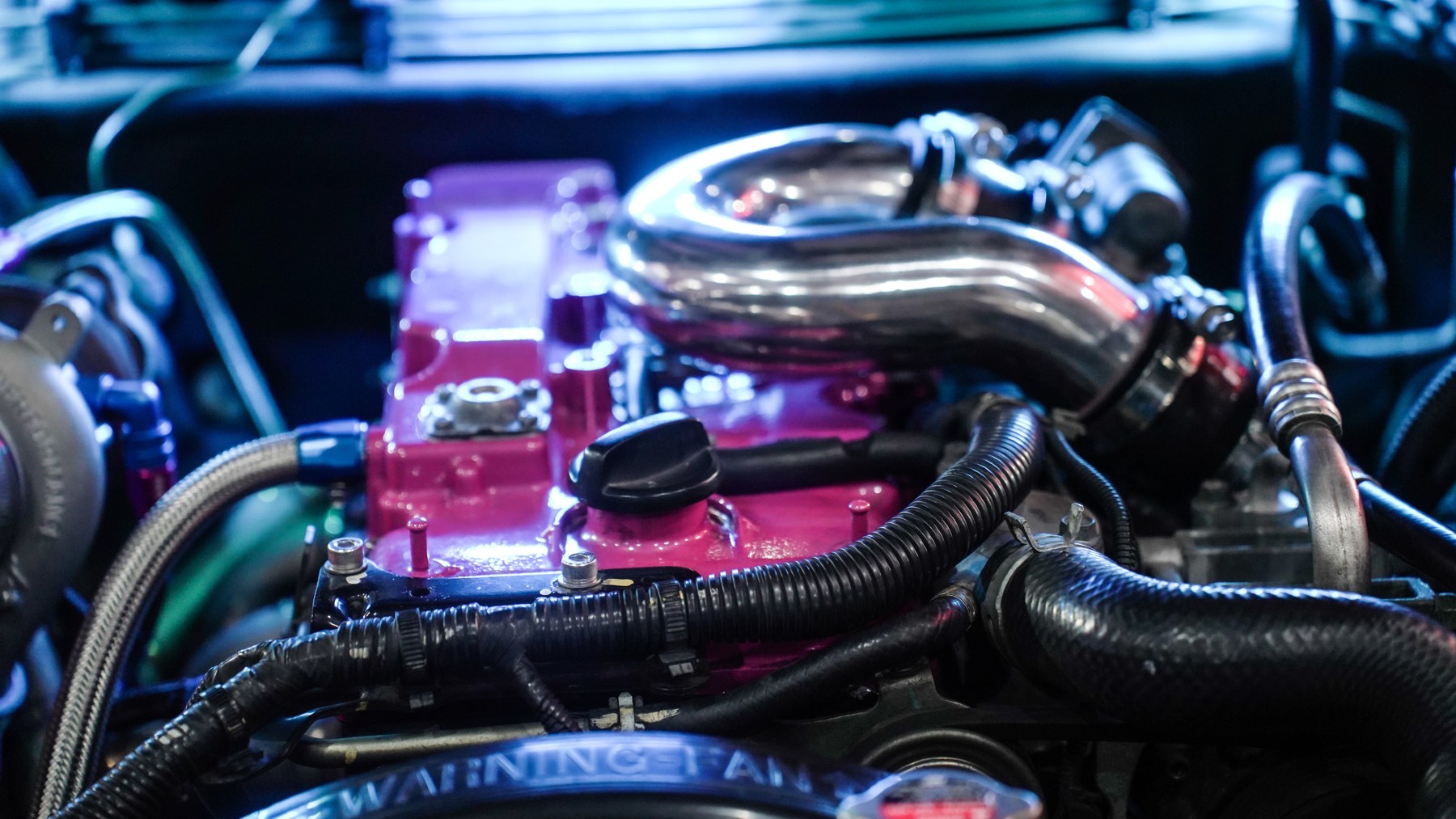
However, an emerging hydrogen-diesel engine technology, particularly the bifuel version, is showing great potential as a real alternative to green solutions. The scientists have created a dual-fuel system that can be used on an existing diesel engine with the blend of up to 90% hydrogen and only 10% diesel fuel.
The fresh bifuel system in similar fashion injects pure hydrogen into the diesel air intake process, while a small quantity of diesel remains. The hydrogen brings on the combustion earlier, thus lessening the amount of oxygen for the diesel fuel to react with.
This process ends up with only 10% of the diesel fuel volume being utilized by the engine while it uses the hydrogen for the remaining portion of the power generation. Proven testing demonstrates comparable voltage, current, and power losses to those obtained in diesel-only operation.
New engine for hydrogen and diesel? Why is it so important?
The invention of a new engine that has been designed to be a bifuel engine incorporating a novel hydrogen-diesel dual fuel technology that allows it to run on a mixture of hydrogen and diesel fuel. The hydrogen direct injection system is responsible for this by injecting hydrogen directly into the diesel engine combustion chamber.
The motor spends its principal bulk of hydrogen gas, while the then only small quantity of diesel igniting the launch of the motor is also used. The diesel returns the function of igniter so that can combusting the hydrogen, enjoyingly its higher cetane number.
The hydrogen, as soon as it is ignited, becomes the principal source of the engine’s power. This might result in a further enhancement of efficiency coupled with the utilization of up to 90% hydrogen in place of the diesel fuel while maintaining the hydrogenation process.
This is the first hybrid hydrogen engine in history: you don´t believe how it works
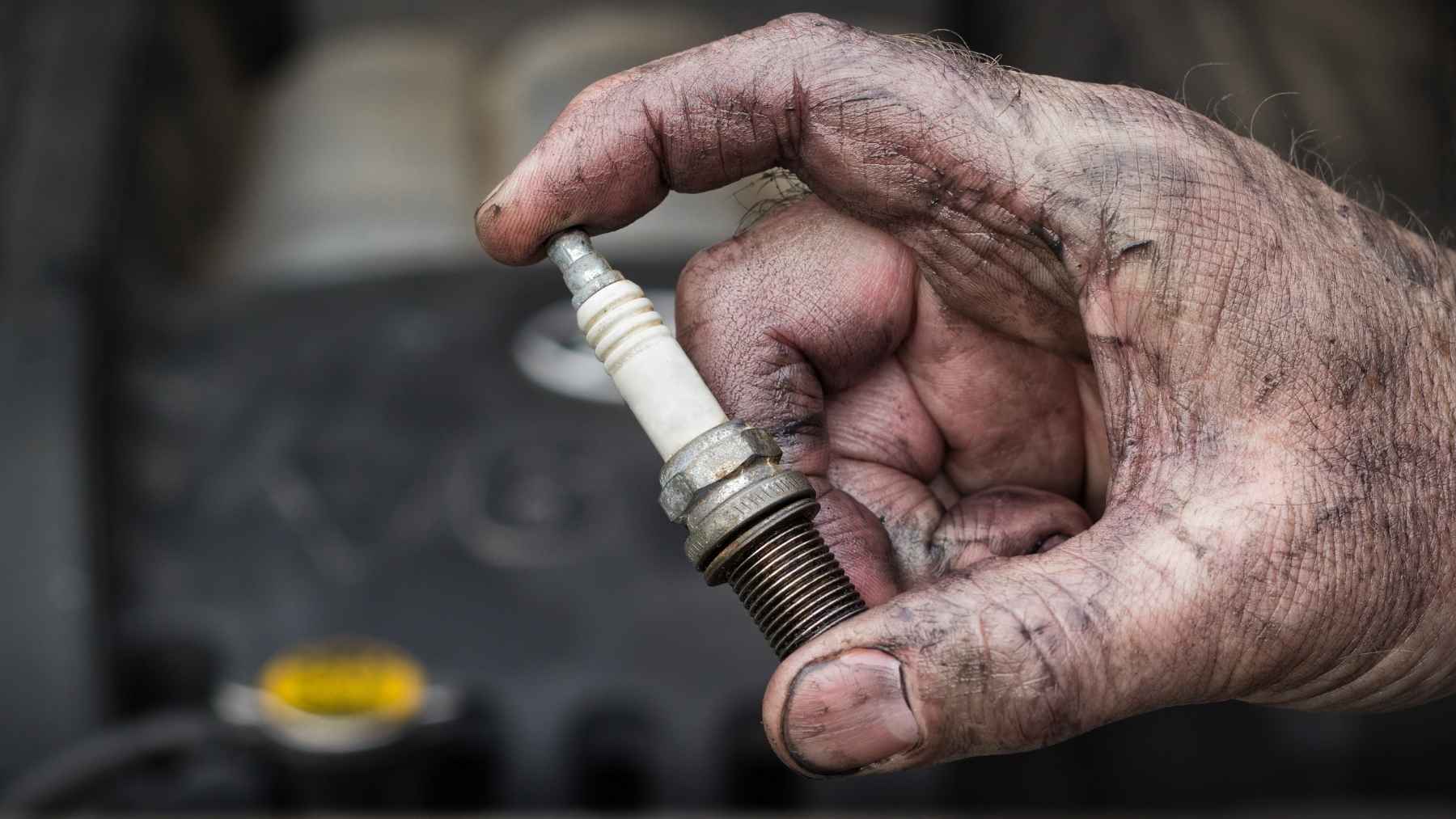
The bifuel hydrogen-diesel engine comes with various benefits more than normal electric vehicles and hydrogen fuel cell ones. Firstly, the diesel engines that are already there can be retrofitted to run on a hydrogen-diesel mix and it is much less expensive than creating new fuel cell vehicles.
Furthermore, the refueling of the vehicles with hydrogen is a lot faster than the time required for the charging of battery electric vehicles. It may take a hydrogen tank, on average, about 5-10 minutes to fill, just like you would with filling a diesel tank.
While it might be possible to fast charge an EV to 80% in about an hour, recharging the entire battery requires many hours. For uses such as heavy-duty trucking that usually operate for a long period of time, the capacity to refill with hydrogen in a short time is a serious advantage.
As you can see, this hybrid hydrogen engine is intended to replace the most expensive fuel cells on the market, with a halfway solution that also exists in the EV segment. However, the brands believe that in this case it will take longer to arrive and be marketed, since the investment in its innovation is considerably lower, something we have also seen in prototypes such as those that run on ammonia or even alcohol.