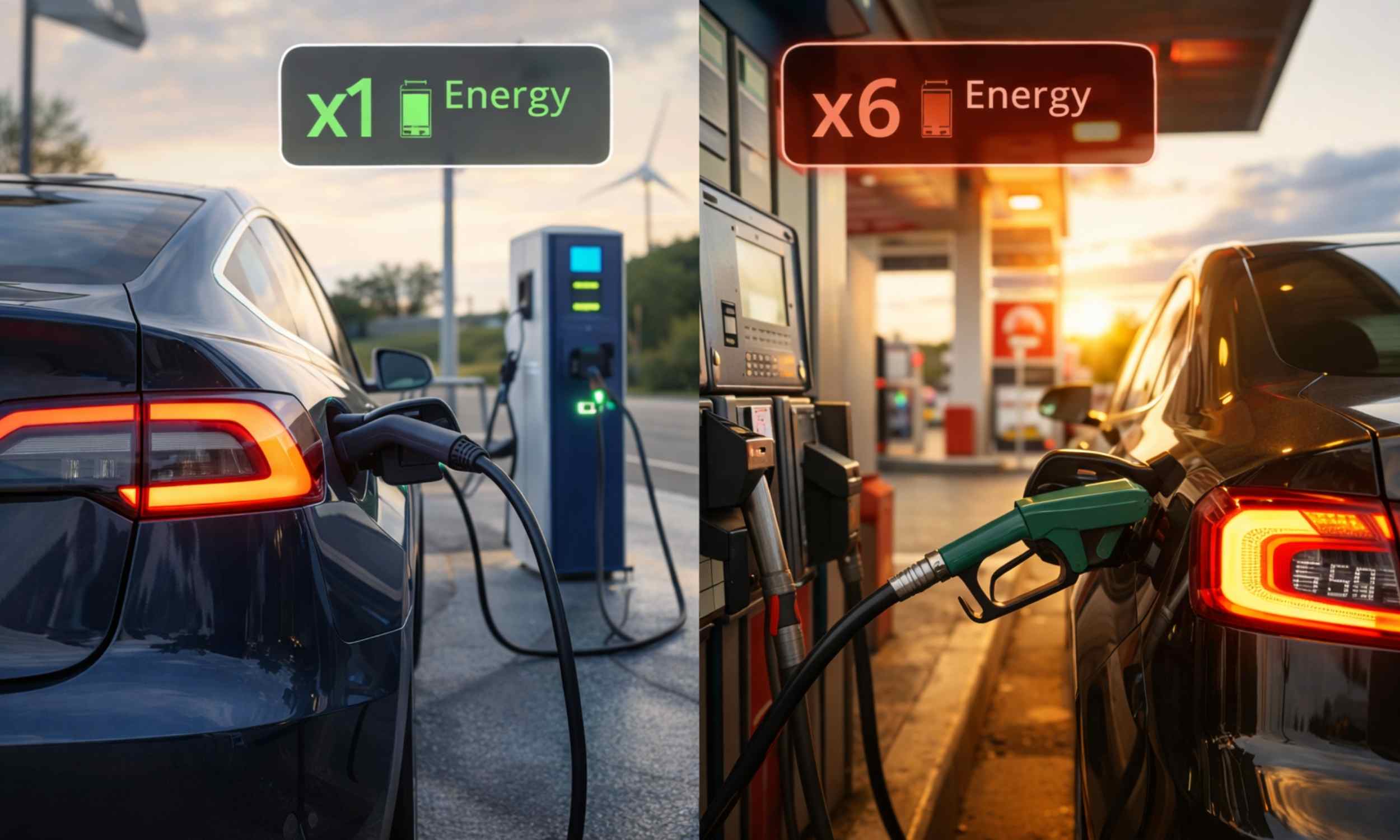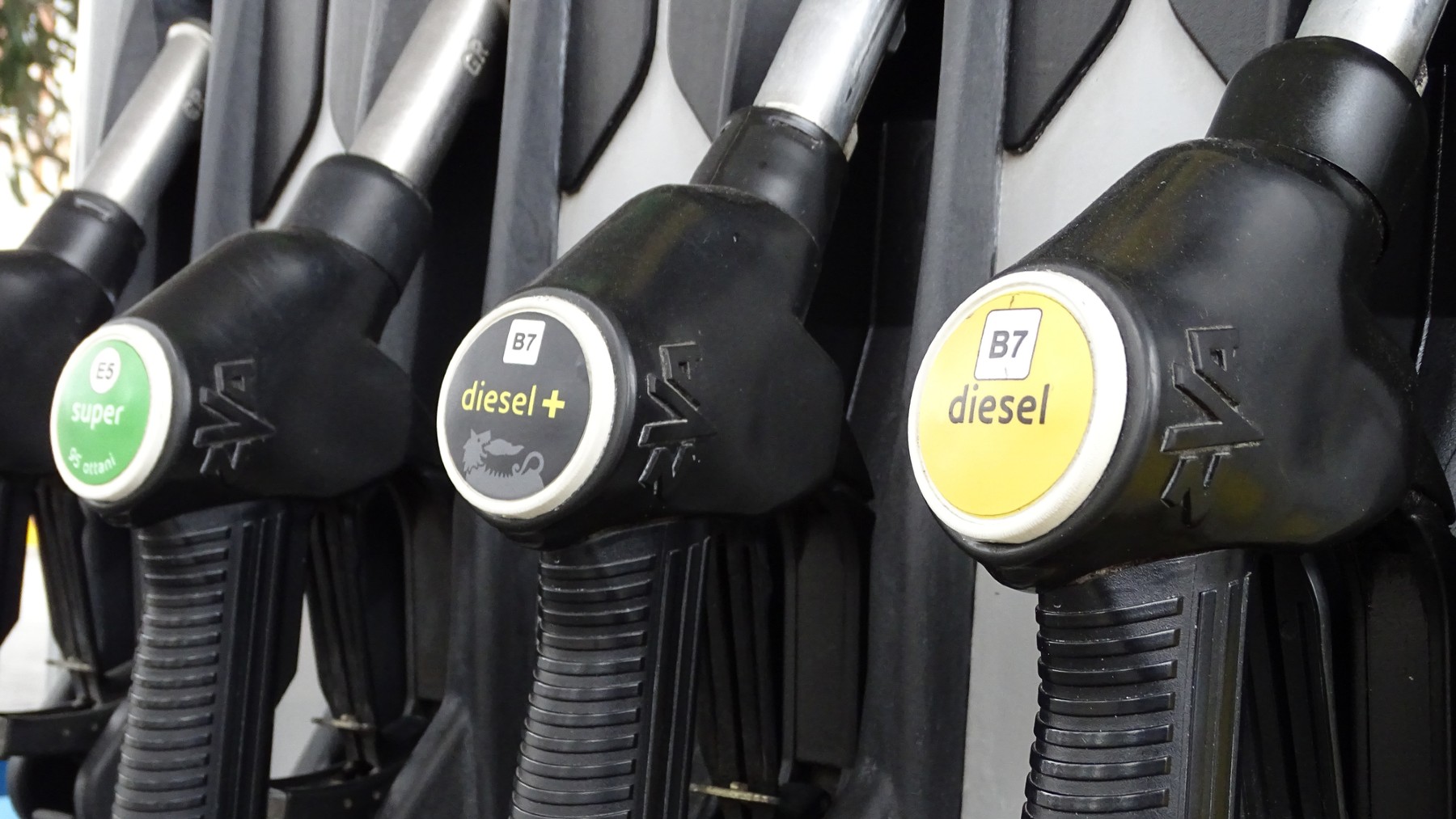
Biofuels seem to have arrived to finally kill gasoline and give us time until we decarbonize transportation with EVs and hydrogen. However, there is still some time to go before we can do that, so synthetics are a promising option. So much so, that we have now learned of a new diesel in the United States, with 300-miles autonomy and cheaper than fuel oil.
Diesel is losing popularity in U.S. roads: too many fuels, and miles ahead of it
Diesel engines have faced issues lately, meanwhile a number of producers decided to leave DLT technology. The “dieselgate” emissions scandal which exploded in 2015 nearly wrecked diesel fuel in the minds of many.
This disaster consequently drove consumers to turn their backs on diesel engine as their belief was shaken. New sales of cars with diesel engine technology fell off quickly after the fact. The newly harsh diesel emission standards were therefore cost increases, as well.
The price of diesel, consequently, dipped and people became less inclined towards diesel, which with those who were mainly price conscious and fuel-efficient. Yet, improved concept in the gasoline engines was cheaper. In most cases, the very high price of a clean diesel vehicle could not be compensated.
The diesel engines lose their market share due to the destruction of the reputation and the rising expenditure caused by it in the cars for private use. Automakers reduced number of cars in their range and Volvo was one of them that neglected the technology completely.
Legendary brand to create a new diesel in United States: more efficient, cheaper and more renewable
Honda and GM try to introduce a new kind of diesel fuel, the main purpose of which is to break the perception of being dangerous and naughty that the public associates with a diesel car. In the following generation, which preserves the low emission level, fuel efficiency of this diesel is promoted too.
The firms say their new ‘clean-burning’ diesel fuel-efficient cars will travel up to 300 miles on a tank of full of fuel. This is equivalent to an extra 12 miles/20 kilometers per tank of fuel. It would be twice more than the range of most contemporary gasoline-powered cars.
The companies owed the creation of the clean diesel complying with California’s stringent regulations to innovatively merging exhaust emission control systems with high performance engines. The precise and careful process results in particle emission tolls close to zero as well as nitrogen oxide levels.
Firstly, the new diesel engines of the new vehicle scoring at high levels as well or even more than the gasoline engines. What I am telling you here is the same driving experience in the aspects of speed and timeliness.
New diesel technology to change everything in United States: towards more sustainable roads
The catalytic converter uses a proprietary catalyst that more efficiently removes nitrogen oxide gases from the exhaust. By converting these pollutants into nitrogen gas and water vapor, the converter enables the diesel engines to run much cleaner.
The diesel engines themselves remain similar to previous generations, providing the torque, durability, and efficiency that diesel is known for. But pairing these engines with the advanced catalytic converter brings emissions down to an unprecedented low level for diesel vehicles.
This allows automakers to take advantage of diesel’s inherent benefits – strong towing capacity, long driving range, and good fuel economy – without the downsides of high emissions. The technology brings diesel engines into compliance with emissions regulations worldwide.
This new diesel in the United States not only comes to give us an efficient alternative to gasoline, but also to consolidate the ecological transition in transportation. The question now is to extend it to the whole country while we do the same with the network of hydrogen refueling stations, which is still very scarce. In the meantime, we now have a resource to finally forget about conventional gasoline.