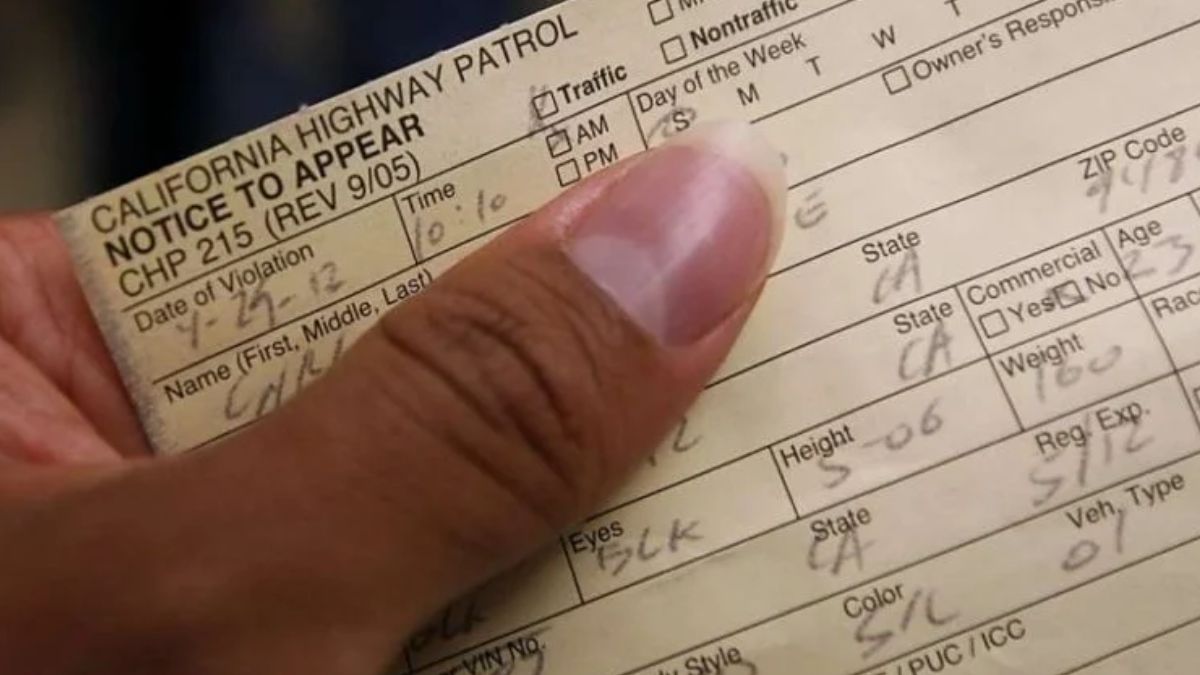
New York City authorities installed 150 traffic cameras across the municipality to detect illegal parking violations. This initiative started its operations in March as a solution to treat traffic jams and enhance security protocols in New York City’s busiest traffic routes. Double parking violations, together with other parking rule infractions, lead to large fines that can reach between $250 and $500. The proposed bill creates protective pathways for safety that simultaneously prevent risky parking events.
Lawmakers are spending $35 million to make this happen—here’s why
Assemblymember Steven Raga maintains leadership in introducing automated ticketing through Queens District. The pilot program seeks to implement these cameras across the city through a $35 million funding proposal, which the Democrats support together with Assemblymember Steven Raga. According to Raga, traditional enforcement methods do not suffice because street traffic has steadily increased. The introduction of automated systems will help officials identify more offenses to achieve greater safety for pedestrians, cyclists, and drivers.
Cameras throughout illegal parking zones will automatically monitor violations and prevent them from being undeclared. The government envisions this project will stop criminals from returning to their criminal behavior while granting wider street access. The automated enforcement system will supposedly allow law enforcement officers to focus on essential responsibilities rather than parking violations.
The authorities intend to install cameras at busy sections where illegal parking occurs most often. They selected specific locations for camera installation, which included bike lanes, commercial loading zones, and official no-standing areas. These locations experience high rates of parking violations.
These are the key locations where the cameras will catch you.
The implementation of automated surveillance technology prevents unlawful parking behavior because officials immediately penalize all cases of non-compliance. The sustained surveillance initiative will increase parking regulation compliance, decrease street congestion, and make streets safer for all users.
The costs associated with this program are within the state budget and are under direct oversight of Governor Kathy Hochul and New York’s legislative heads. Supporters maintain the system will generate its expenses by charging fees from rule breakers as the program enhances traffic flow in urban areas. According to officials, a focused enforcement strategy in troubled areas will enhance traffic performance and reduce risk elements to build an efficient urban environment for all users.
The automated surveillance initiative is criticized because of worries about excessive governmental power and privacy intrusions. Some people are concerned that the cameras could negatively affect minority neighborhoods because residents commonly need to park illegally because of scarce parking options.
Not everyone is convinced—some lawmakers are raising red flags
The public doubts automated enforcement’s reliability and its capacity to generate incorrect speeding tickets. City planners continue to argue that the advantages of automated surveillance, including enhanced security and reduced traffic congestion, outweigh the negative effects, justifying its implementation for modern traffic management.
Multiple people endorse the approach, yet some doubt its value. Brooklyn state senator Simcha Felder doubts the value of automated enforcement systems based on his observation of sporadic ticketing by police officers as an effective method during previous periods. In his view, cameras alone will not lead to major changes in parking conduct.
According to Felder, the increased deployment of automated enforcement has not led to a decrease in traffic-related death numbers, which creates doubts about its effectiveness. Several critics believe that although traffic fines might prevent certain violations, there is a real possibility that low-income drivers will bear excessive financial responsibility. The ongoing disagreements about traffic enforcement measures present a challenge between current enforcement policies and overall security objectives.
How this plan will change driver behavior and make roads safer
The program supports automation by creating safer travel conditions and better traffic system control. Data demonstrates that the initiative receives official support from the Department of Transportation, leading to behavioral changes in drivers and reduced vehicle accidents. Red light cameras reduced T-bone crashes by 13% throughout intersections.
Statistics from 2023 demonstrate how penalties prevented 95% of drivers from committing additional traffic violations because they issued only one or two total violations. Once new camera technology becomes operational, reckless parking offenses will escalate, establishing better security environments for cyclists and pedestrians.