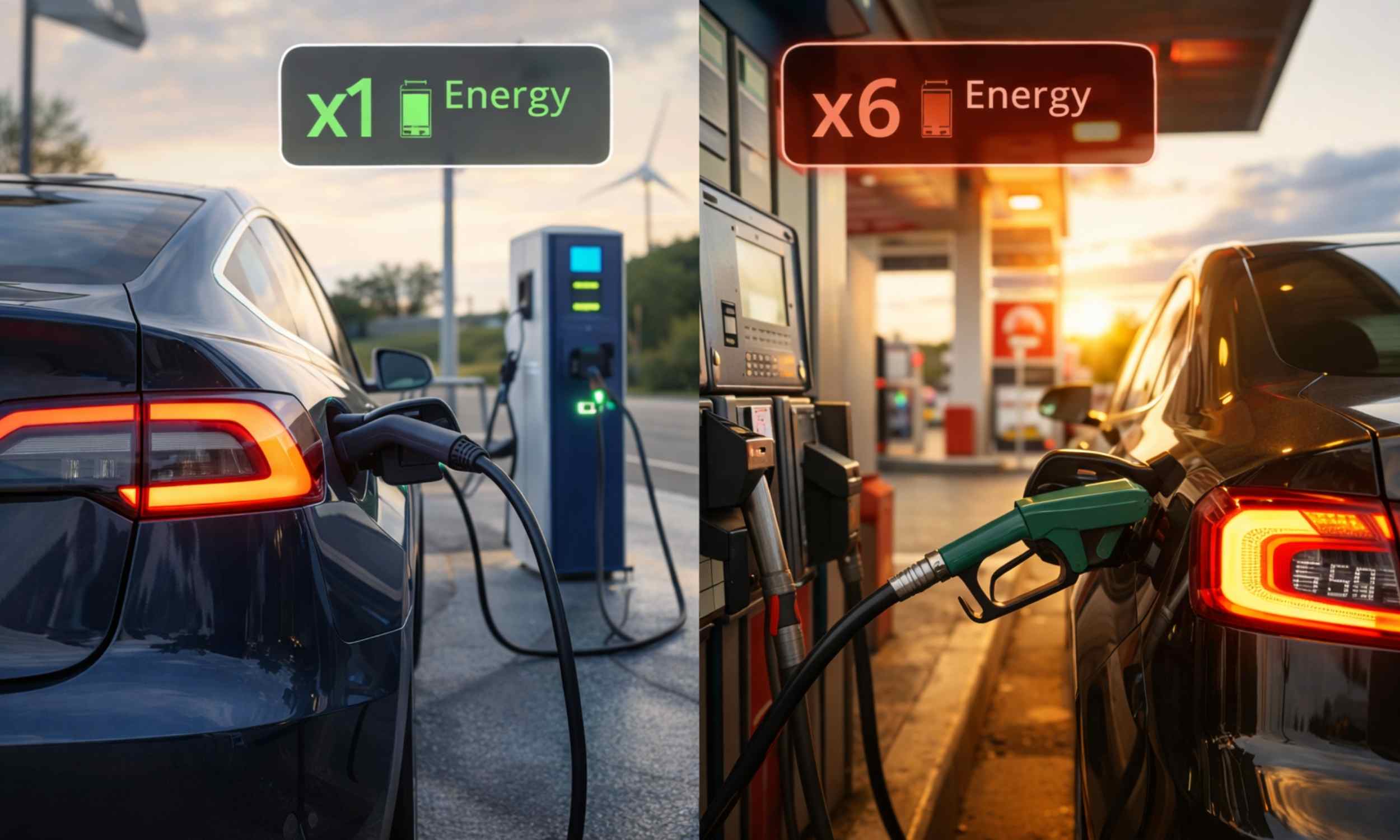
Hydrogen is soaring in sustainable mobility, despite the new alternatives that are emerging. One of them is ammonia, but so are ethanol and methanol (under development in America). Just now, a legendary brand has just announced a decision that will mark the fall from grace of one of the best-known fuels in history. We are not talking about the electric ones, but a very traditional one that, little by little, we have been forgetting all over America.
Legendary brand has “buried” this fuel forever: Historic decision announces a new era
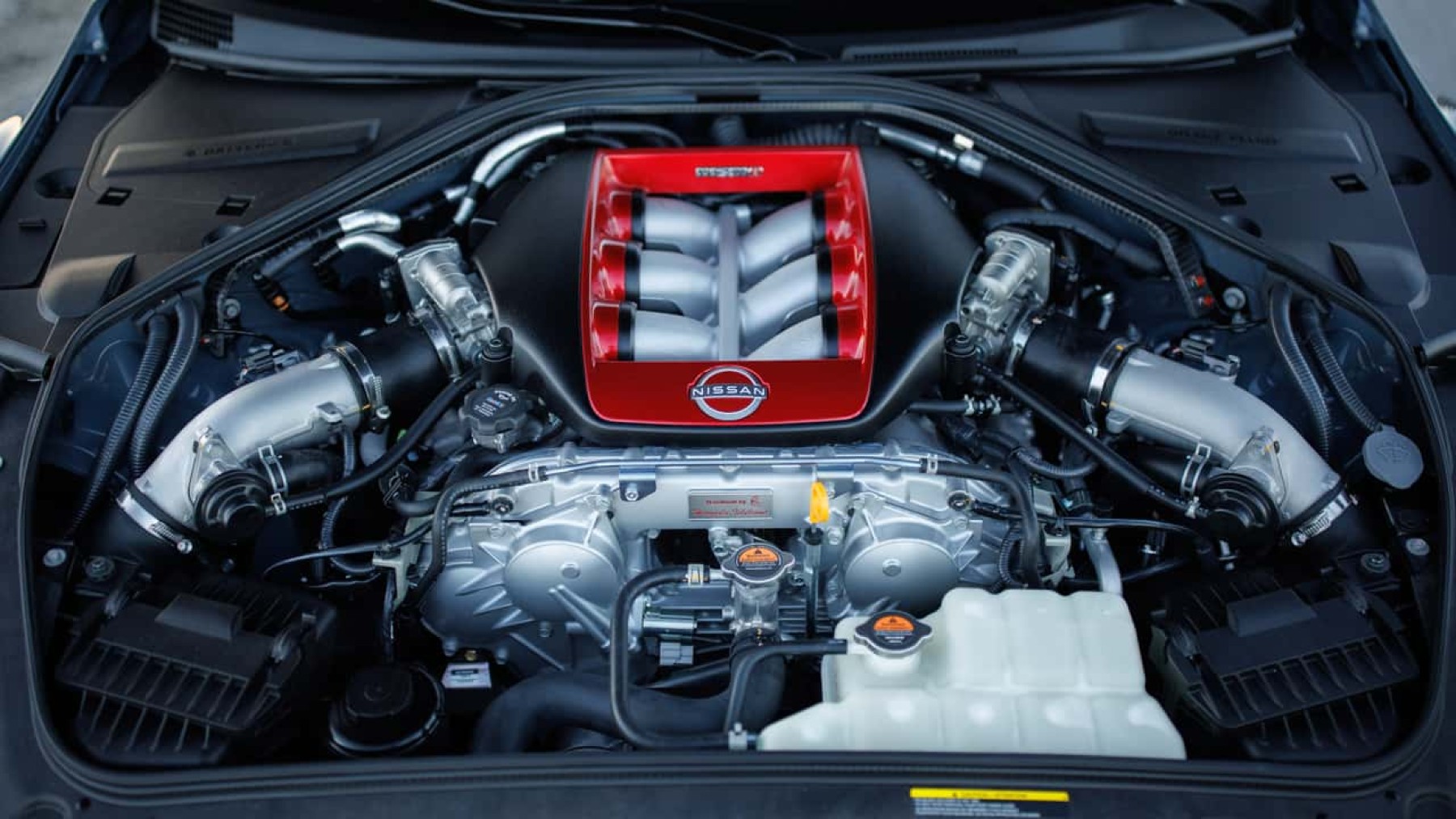
Recently, car manufacturers like Nissan declared that they are no longer going to produce new ICE vehicles in the future. This move is indicative of a monumental shift in the nature of personal mobility, with sweeping ramifications for customers, the planet and the world market.
Nissan is also very clear on the fact that it is very invested in having electric vehicles on the market. At Nissan, the Senior Vice President and Chief Planning Officer for the AMIEO region, comprising Africa, the Middle East, India, Europe, and Oceania, nailed it by saying, They’re not investing in new powertrains for combustion engines right now, that’s for sure.
This decision could be considered a dramatic shift from the previous Nissan’s model, where ICE vehicles were the main focus. Since the company wants to go fully electric, it is likely going to use the e-Power hybrid as the stepping stone to full electrification. A new idea to straddle the ICE vehicles and pure EVs is the e-Power system, whereby the gasoline engine is only used as a generator.
ICE engines will disappear from our roads, but not as you think: Beyond EVs (and HICEVs)
Several factors are propelling this transition away from ICE vehicles:
- Stricter Emissions Regulations: Today’s governments across the globe are employing higher standards of emission controls. For instance, the European Union has established challenging goals for lowering CO2 emissions by cars.
- Consumer Demand: With the increase in awareness of the effects of climate change, more consumers see the need to look for other friendly means of transport.
- Technological Advancements: Technological advancements in batteries, electric powertrains and their manufacturing are pushing the efficiency of EVs to become more acceptable in the society.
- Economic Considerations: Currently, as production of EVs increases, the cost of manufacturing is projected to reduce, and thus it may be possible that EVs may be even more lucrative to automakers in the long run compared to ICEs.
What could happen from now on? Nissan has plans for the future, as well as alternative fuels
Thus, Nissan has developed a far-reaching business strategy named the Arc, which envisages a shift to the electric propulsion of vehicles. Key elements of this strategy include:
- New EV Models: Nissan still wants 16 new electric cars by the end of the three years, and a total of 34 new models in the decade.
- Increased EV Production: The company intends to have 40% of electric vehicles in its offer for the whole world till 2026 and 60% till 2030.
- Cost Reduction: Nissan, as an example, wants to decrease the cost of the subsequent generation of EVs by 30% in comparison with Ariya.
- Strategic Partnerships: Strategic partnerships for research and technology in an effort to obtain outcomes that can enhance production systems.
What about other carmakers? Nissan is not the only one with future projects
While Nissan is betting heavily on pure electric vehicles, other manufacturers are exploring alternative approaches to reduce emissions:
- Hybrid Systems: Some of the automakers are carrying on with the development of hybrid powertrains as a means to an end.
- Hydrogen Fuel Cells: There are few organizations venturing into hydrogen fuel cell technology as a way of achieving zero emissions compared to battery electric vehicles.
- Synthetic Fuels: Some manufacturers are working on developing synthetic fuels that are carbon-neutral and can be used in conventional ICE cars.
- Biofuels: Sustainable plant-based fuels are being invented to replace the universally used fossil based fuels.
The disappearance of Nissan gas engines will mean a real revolution for the country, opening the door to zero-emission mobility. The problem is, paradoxically, that we have no alternatives, as the deployment of EVs continues to be slower than expected, and hydrogen is thousands behind what we would like. Will we reach the 2030 targets in time? We asked ourselves that question a few days ago, and the answer is still the same.