Have we been wasting our time with hydrogen? Nitrogen engine could be the future

Image Autor
Published On: January 9, 2025 at 11:50 AM
Follow Us
Nitrogen

As the world seeks cleaner and more sustainable energy solutions, hydrogen has long been considered a key player in the renewable energy space. However, a lesser-known contender, nitrogen, is emerging as a potential alternative in the quest for a greener future. While hydrogen has garnered significant attention due to its promise of decarbonization, nitrogen offers its own set of advantages that could make it a viable competitor in energy production and storage.

Hydrogen has been a fast rising complement to electric engines

Hydrogen has rapidly emerged as a promising complement to electric engines, offering a potential solution to the limitations of battery-powered vehicles. While electric vehicles have gained significant traction, hydrogen fuel cells present a compelling alternative, particularly in sectors where long-range, fast refueling, and heavy-duty applications are crucial. Hydrogen fuel cells produce electricity by combining hydrogen with oxygen and emit only water vapor as a byproduct. This makes them an environmentally friendly option.

Unlike traditional battery-electric vehicles, hydrogen-powered vehicles can be refueled in a matter of minutes, offering a distinct advantage in terms of convenience and downtime. In addition to transportation, hydrogen has the potential to play a key role in industries such as shipping, aviation, and heavy freight where electric batteries may struggle to provide the required power density. Hydrogen-powered vehicles also have the advantage of being lighter than battery-electric alternatives, making them suitable for larger vehicles or those requiring higher energy output.

As the hydrogen infrastructure continues to grow, with more fueling stations and technological advancements, hydrogen is positioned to complement electric engines as the automobile and greater transportation sector seeks alternative engine solutions for a greener future. While both hydrogen and electric vehicles each have their own strengths and challenges, together they could form a versatile and sustainable transportation ecosystem for the future.

Nitrogen emerges as a strong alternative to hydrogen

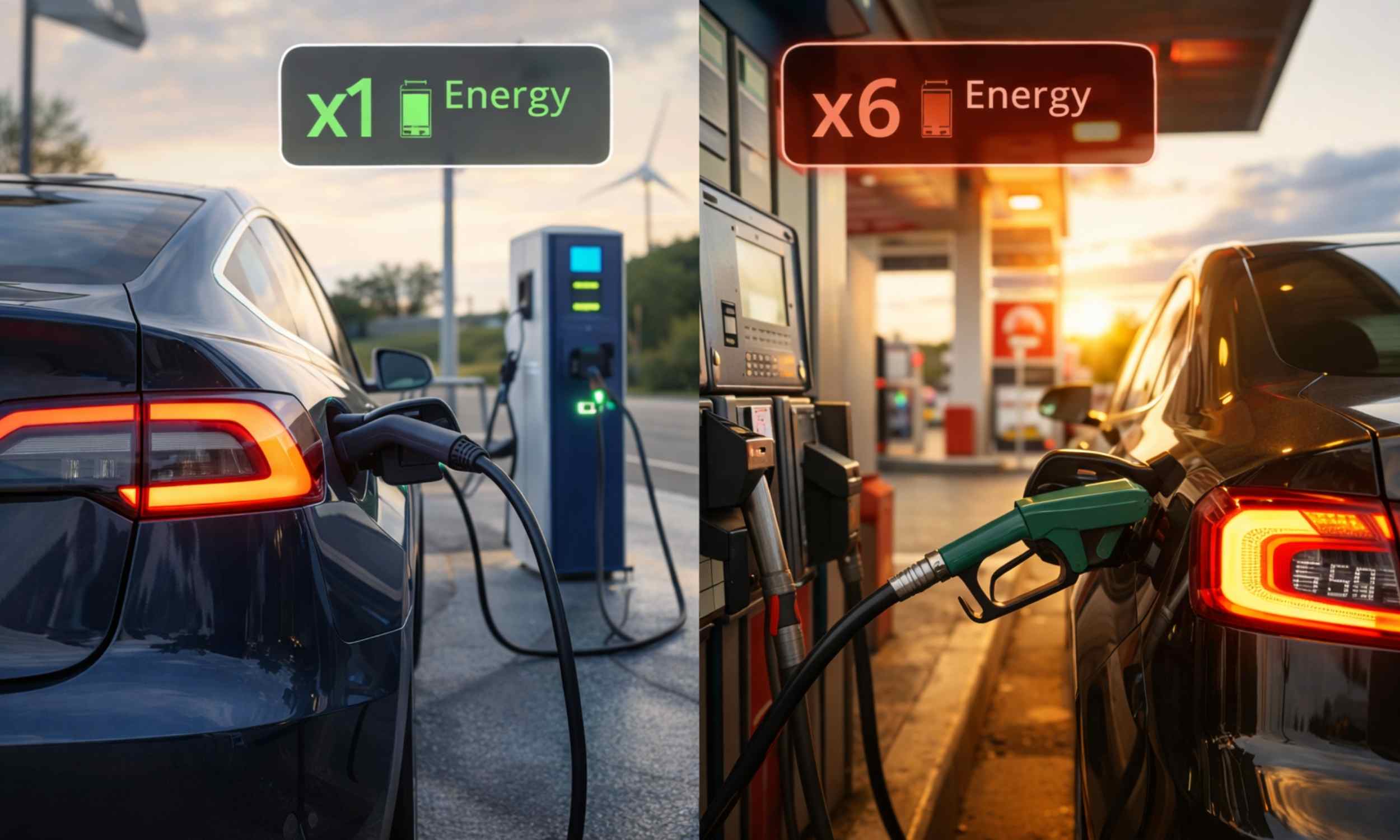
While hydrogen remains a contender the transportation industry has turned their attention in addition to developing electrical engine solutions, nitrogen, the most abundant element in Earth’s atmosphere, offers a variety of advantages over hydrogen, particularly in terms of availability, safety, and efficiency.

A liquid nitrogen engine operates by using liquid nitrogen stored in a tank. In traditional nitrogen engine designs, the liquid nitrogen is heated in a heat exchanger, drawing heat from the surrounding air. This causes the nitrogen to vaporize into pressurized gas, which is then used to power a piston or rotary motor. One of the key advantages of liquid nitrogen vehicles is that their exhaust is simply nitrogen, a natural component of the atmosphere, meaning they produce no localized air pollution from tailpipe emissions.

While this makes them cleaner than traditional combustion engines, they are not entirely pollution-free, as energy is required to liquefy the nitrogen initially. However, this liquefaction process can take place remotely from the vehicle’s operation and, in theory, could be powered by renewable or clean energy sources, further reducing the overall environmental impact. While the idea has been explored by some independent engine developers, there is still much more which needs to be done before they become commercially available.

Are nitrogen engines a possibility of the future?

While nitrogen engines, in theory, provide advantages over hydrogen powered engines such as safety and storage, hydrogen engines are still much further ahead in terms of development and widespread implementation. However, each alternative engine solution brings unique strengths and can serve different sectors or applications, from transportation to energy storage. Having a variety of options will increase resilience and flexibility as we transition to a more sustainable future. This collaborative approach to innovation will be crucial in achieving the global climate goals and creating a cleaner, more sustainable world.