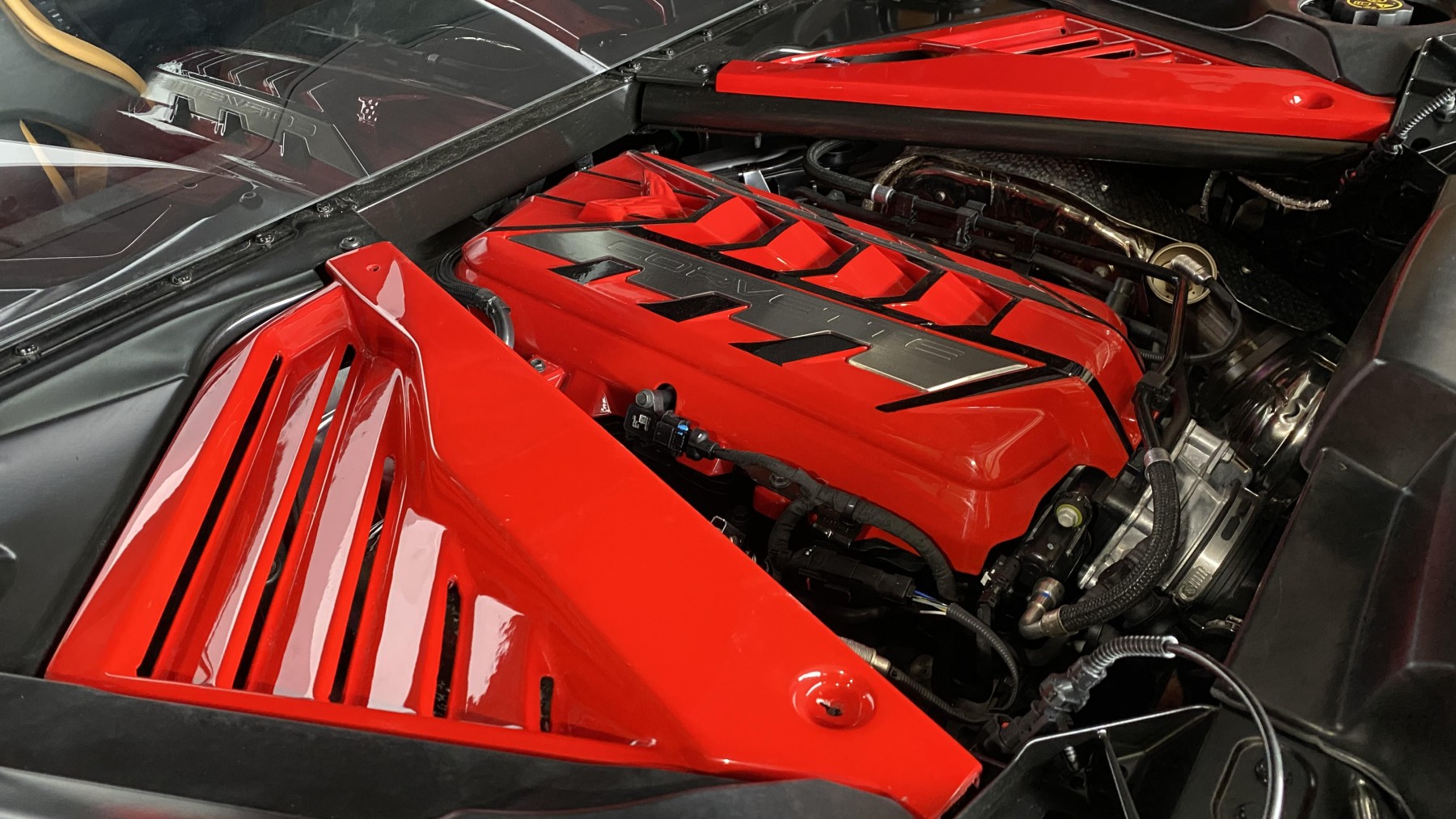
The world was surprised when Japan announced that it was developing a hydrogen engine, and the truth is that the reality exceeded expectations. What is now stiff competition to EVs could turn into a major disappointment. The reason? A new prototype they have presented that does not run on water, but on “fire”. It is the most efficient ever seen, and it is 700 times more powerful. Are we facing the end of Toyota and Hyundai? See for yourself.
What if the hydrogen engine was not the future? Maybe we should “burn fire” instead of water
The growing quest for alternatives to conventional fossil fuel sources has led to the discovery of liquid nitrogen engines that may present strong competition to hydrogen and electric vehicles. This technology is new to the car manufacturing world and was discovered by researchers of the University of Washington.
It could be the god send to the car manufacturing firms towards making the world a cleaner place to be as they enhance the efficiency of movement through road transport. The University of Washington’s car LN2000 that has been powered by liquid nitrogen indicates a step-up in the advancement of technology in the field of “liquid” fuels.
The LN2000 liquid-nitrogen engine is not only an experiment: It could change everything
Developed by a team led by Abe Hertzberg, the LN2000 operates on a simple yet ingenious principle: it employs the power produced by rapid expansion of liquid nitrogen when it is warmed and the working principle is similar to the steam engine and an air motor. Why is this liquid-nitrogen engine, as they say so, so promising? Here you have some keys to understand it:
- Fuel Source: LN2000 uses liquid nitrogen as its power source, and this is usually stored at low temperatures of -320°F (-196°C) within a specifically designed tank.
- Engine Mechanism: They pass this to the engine system, where expanding liquid nitrogen moves pistons in the same manner that automobiles’ internal combustion engines create mechanical energy from thermal energy.
- Emissions: This results in only nitrogen gas production, which is freely given back to the environment; hence, making this kind of vehicle a zero-emitting machine.
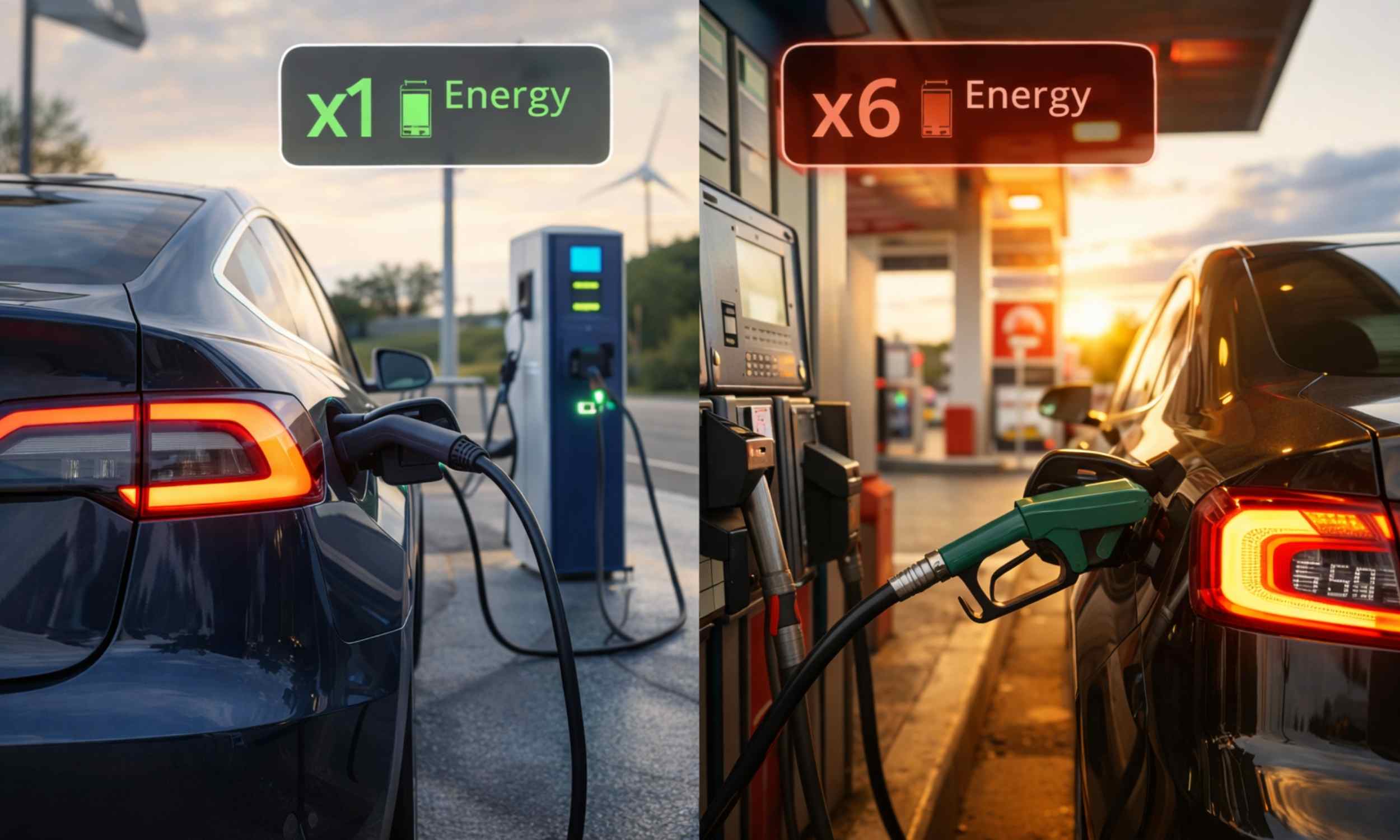
- Refueling: The LN2000 can be refueled in minutes like conventional gasoline vehicles, while being much faster than electric cars that take hours to be charged.
- Range: The present prototype has a range of approximately 30 miles when fueled with liquid nitrogen.
Fire vs. water, or hydrogen engine vs. liquid-nitrogen engine: The ultimate comparison
When compared to hydrogen engines, liquid nitrogen technology offers several advantages:
- Safety: In addition, liquid nitrogen is nonflammable and nontoxic as compared to Hydrogen gas, so it is easy to handle and transport too.
- Infrastructure: It was also quicker and easier to change existing gas stations to dispense liquid nitrogen, as compared with the infrastructure changes needed to implement hydrogen fueling stations.
- Production: Liquid nitrogen can be made by utilizing an Air liquefaction plant, which is expansive and not as energy-consuming as hydrogen production plants.
- Cost: In general, the production and storage of liquid nitrogen are comparatively cheaper from that of hydrogen.
Nevertheless, hydrogen engines are still have some benefits at present, such as the power and the range. The key issue encountered with the use of liquid nitrogen technology is to enhance the efficiency and performance of this technology in phase with that of hydrogen vehicles.
The first liquid-nitrogen engine, sorry to disappoint you, is only an experimental prototype at the moment. The truth is that using a polluting gas as fuel is not a suitable option. But what if we were to give it a try, as was done with methanol? Perhaps in this way we could see it in the future, although there is still a long way to go before there really are “nitrogen stations” on the streets, if we end up calling them that after trying to develop a hydrogen stations network.