Hydrogen is the fuel of the future, no one has any doubt about that. However, now we have learned of an even more promising one that is made of a substance so abundant that we could have the oil of the 21st century on our hands. We want you to meet the first water fuel in history, with a range of 1000 kilometers for the new batteries and 15 times more powerful.
Could this be the first water fuel in history? Experts say yes
A water-based fuel, which has been introduced fairly recently and might start a revolution in transportation and energy storage, has recently gained recognition as a major player in the energy scene. Among the various options, this technology stands out with its ability that draws on water, acting as an electrolyte.
Despite the fact that water-based fuel is not yet in the commercial stages, this technology has extensively impressed as in the future it will supply the needed cleaner and renewable energy. In contrast to fossil fuels that pump carbon into the atmosphere, water-based fuel only gives steam and oxygen as their end products.
Besides a high fuel performance with massive driving range per charge, faster refueling capacity, and scarcity of raw material being assured, a water-powered vehicle has the capacity of changing the transportation sector and possibly ours.
The end potential is to completely replace them with these non-polluting fuels in all related applications. Subsequently, the launch of the main demonstration project is one of the key events in the development of the first prototypes of handovers.
How water fuel works? A look at the process that could put an end to hydrogen
The hydrogen species (H) along with oxygen gas (O) are formed through the water-based fuel utilization process, which is electrolysis. On either side of the fuel cell, water molecules are broken into ions carrying positive or negative electric charges which make the two separate gas atoms: hydrogen, and oxygen.
Yet, at the same time, the anode acts as an electrode for negatively charged oxygen ions due to its positively charged charge. During this phase, water gets affected through application of the electric current into its molecules to break it apart.
These atoms of hydrogen can then act like regular fuels and be processed in the combustion engine, or in an additional fuel cell that converts its energy to power an electric vehicle. Although hydrogen burning process produces energy, the only product is water left after the hydrogen combines with atmospheric oxygen.
Why we talk about water and not hydrogen: the reason you don’t expect it
Water fuel having features is clearly superior to leading lithium batteries and other fuel options candidates. The fuel for them is much more energy-rich, meaning that they could go farther per charge than their conventional counterparts.
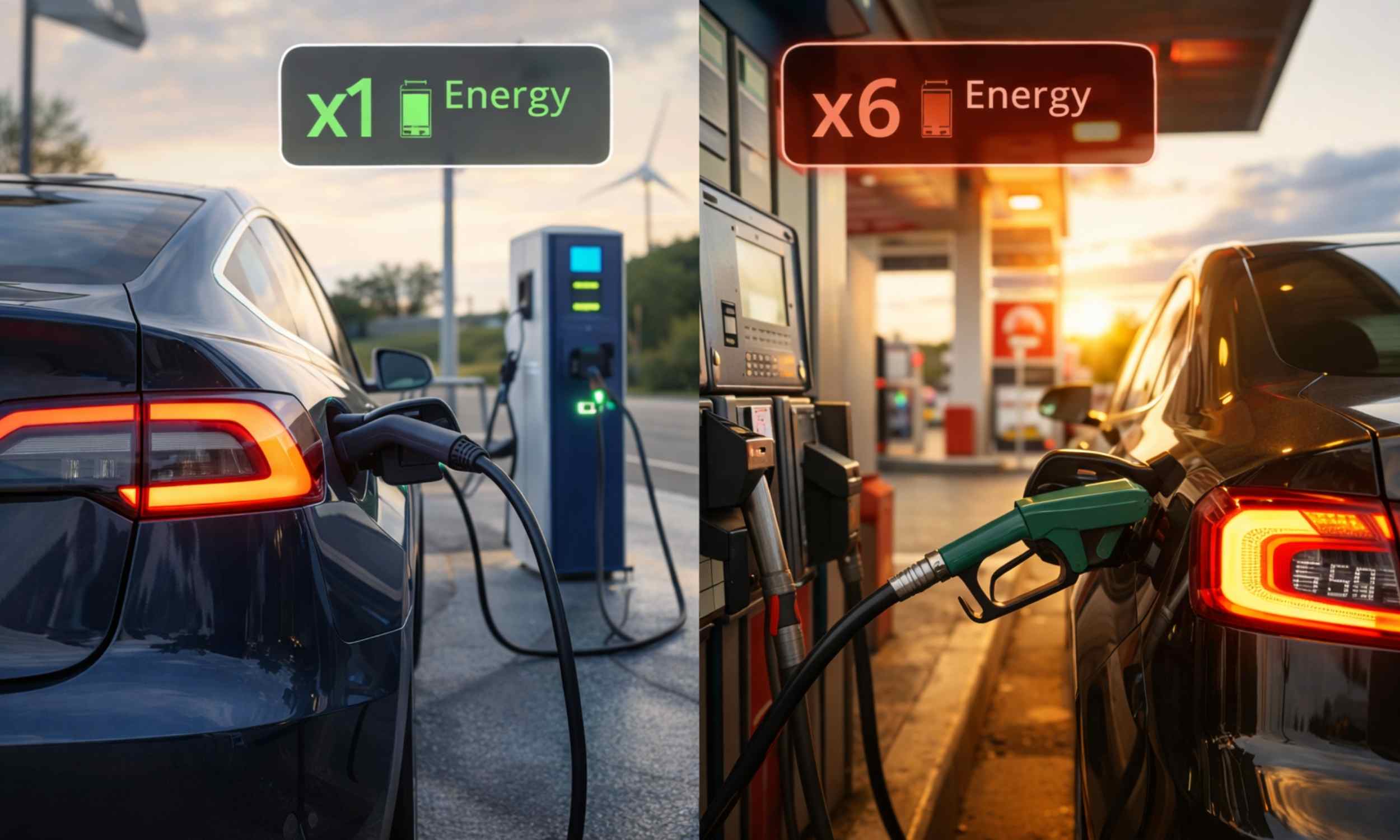
Electric vehicles (EV) are the most significant indicator of the great strides toward the realization of efficient and renewable energy sources. That is to say, water-based fuels are way ahead of lithium ion batteries of providing 15 more energy to the same weight.
Moreover, a significant increase in energy density is provided in this case through the use of water to merge with and obtain hydrogen. The hydrogen (H) and oxygen become water (H_2O) after combining to make electricity that serves to power the vehicle’s motors.
Unlike the lithium-ion batteries that are only 500 Wh/kg, however, the water fuel yield could be even higher with a resulting figure of 10,000 Wh/kg or even more. Such diversity is as high as that of gasoline. But this will yield toxic by-products because it is a water-borne fuel.
This first water fuel is better than conventional hydrogen, although as you have seen it is just another type. The key is its potential to decarbonize the sector by providing another alternative to EVs and even to traditional FCEVs (to call them what they are). The important thing is that we continue to invest in adequate and accessible refueling station infrastructure across the country.