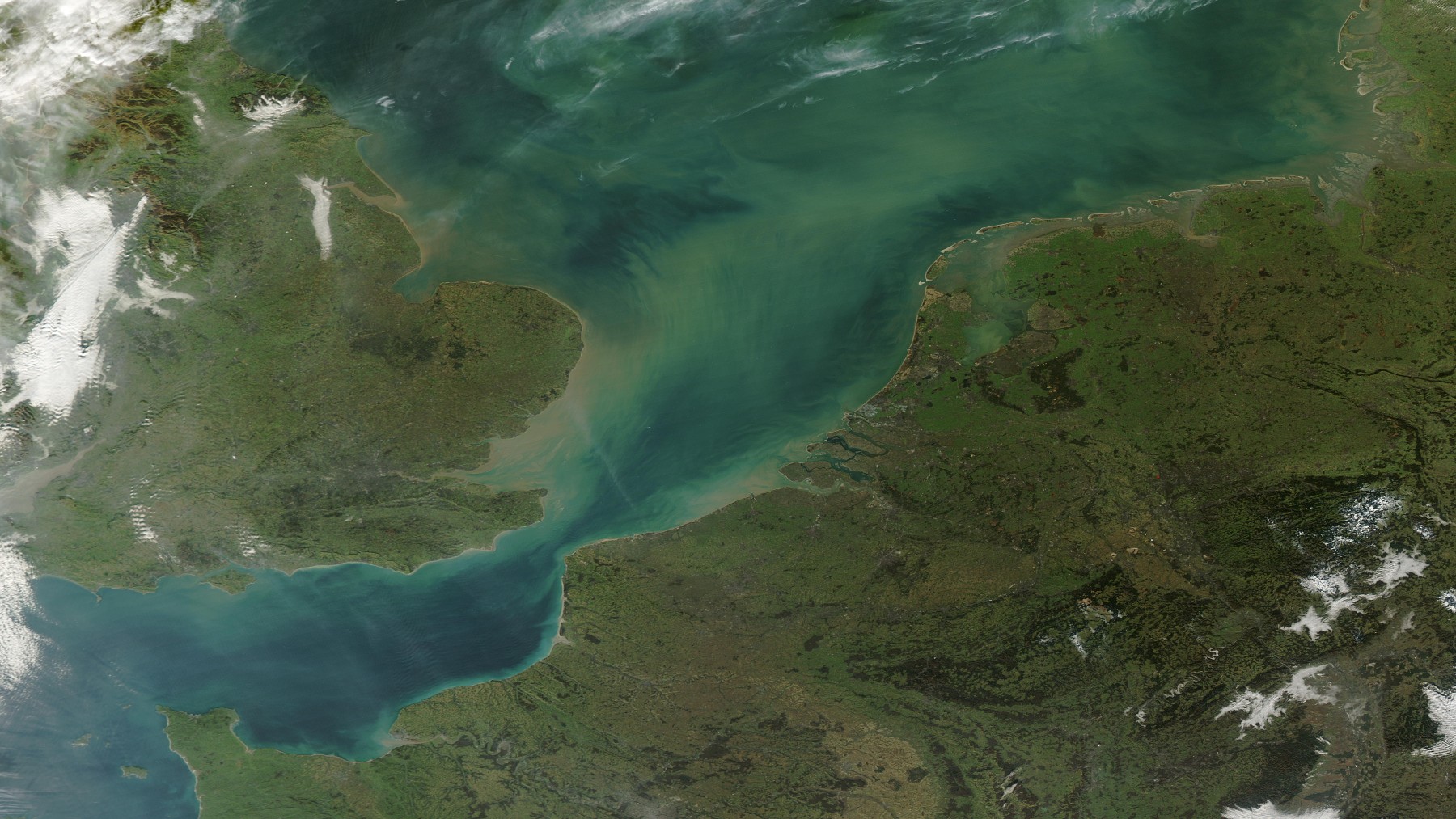
The North Sea area is slowly emerging as a crucial frontier for the energy transition, especially in hydrogen energy generation. It matters less which nation becomes the dominant power supplier or who leads Europe’s industrial future; this development can massively alter the continent’s energy protection and industrial prospects. Many large-scale plans and great projects have started in the North Sea and could lead to long-term sustainable energy. Here is a deeper look at how hydrogen production might potentially work in aiding the prospective change of the future.
AquaDuctus: The authorities predicted this wear project may save billions of people’s money.
AquaDuctus is one of the key projects in the framework of AquaVentus, which is designed to transport up to one million tons of green hydrogen per year. This pipeline from offshore to Germany could cost as much as € 30 billion less than building expensive electricity networks. It is cost-effective according to the current methods of producing hydrogen by tapping offshore wind power.
Lower Saxony energy minister Christian Meyer said that moving hydrogen from offshore assets to the coast increases efficiency while decreasing infrastructure requirements. The innovative approach perfectly fits Germany’s renewable energy targets and might be a good example for other countries.
This is not an attempt to reduce expenditure but a drive to make Germany a more energy-secure nation. The stable provision of green hydrogen through AquaDuctus will also facilitate shifting towards renewable energy sources and thus decrease reliance on fuel and oil products.
Ambitious goals: North Sea countries target 300GW by 2050.
North Sea countries are stepping up offshore wind capability from 30 GW to 120 GW by 2030, with a goal of 300 GW by 2050. Crucially, this expansion is needed to power hydrogen electrolyzers because offshore wind farms have higher capacity factors than land ones. Stable electricity generation is critical for hydrogen fuel production to support consistent automobile electricity generation.
In addition to hydrogen, the extra capacity will keep other power resources and increase dependability and stability. This underlines the region’s preparedness for heading global renewable energy campaigns and achieving low carbon impacts.
They pay more attention to the economic and environmental impact of producing hydrogen off-shore. It reduces the extent to which new connections with the onshore electricity grid must be constructed while accessing distant wind resources, not near shorelines. It also has the added advantages of lowering a company’s ecological footprint and generating new employment, contributing to regional development.
Overcoming hurdles: Strategies for the development of hydrogen resources
However, as the paper has expounded, Europe’s hydrogen market is confronted by regulatory issues, funding, and technology measures. To address these, one needs coordinated action strategies and new financing mechanisms like Hydrogen Purchase Agreements. These contracts are anvil led by governments, providing predictable cash flows, thus mitigating risks for the investors.
Thus, public and private partnerships are important to potentiate adequate financial frameworks and attract private resources. In this case, painless procedures, as well as the similarity of laws across borders, are important for the acceleration of investments. Denmark shows the way for others, from offshore wind capacity to energy islands. EU-wide synchronized planning of electricity and hydrogen is required for a coalesced EU energy market. Synchronized sector rules can turn the North Sea into a worldwide center for producing and developing clean energy.
The North Sea is now a one-time opportunity to build a new paradigm of Europe’s energy security. Such developments as AquaDuctus prove the possibility of achieving extremely high economic and ecological benefits of offshore hydrogen production. However, it is contingent on eliminating regulatory and financial constraints through planning and collaboration.
If properly managed, the North Sea could represent one of Europe’s most promising sources of clean energy to be realized for generations. This region can open a new chapter in energy production to help make Europe greener and more competitive.