Renewables will continue to dominate our industries and take space away from fossil fuels. Among them, of course, we cannot ignore photovoltaic and wind power, but isn’t there a better option? A group of scientists has just produced the most powerful energy in history at 100 million ºC, but with a not-so-renewable source, according to environmental organizations such as WWF.
Most powerful energy ever produced? Experts seriously believe it
Nuclear fusion has been known for a long time as the “holy grail” of clean energy. Through the replication of the process that is the power of the sun, fusion, which is the main source of almost limitless carbon-free electricity is being realized.
While, in opposition to nuclear fission reactors that split atoms, fusion is based on the process of atoms being smashed together to release energy. The harnessing of nuclear fusion could result in the provision of a sustainable solution to the problem of the limited energy supply of the world.
The experts in the field have been working for decades to create the fusion technology, which is now almost ready to be used, and major discoveries are now bringing it closer to the reality. The significant breakthrough was made recently from KSTAR, a reactor in South Korea.
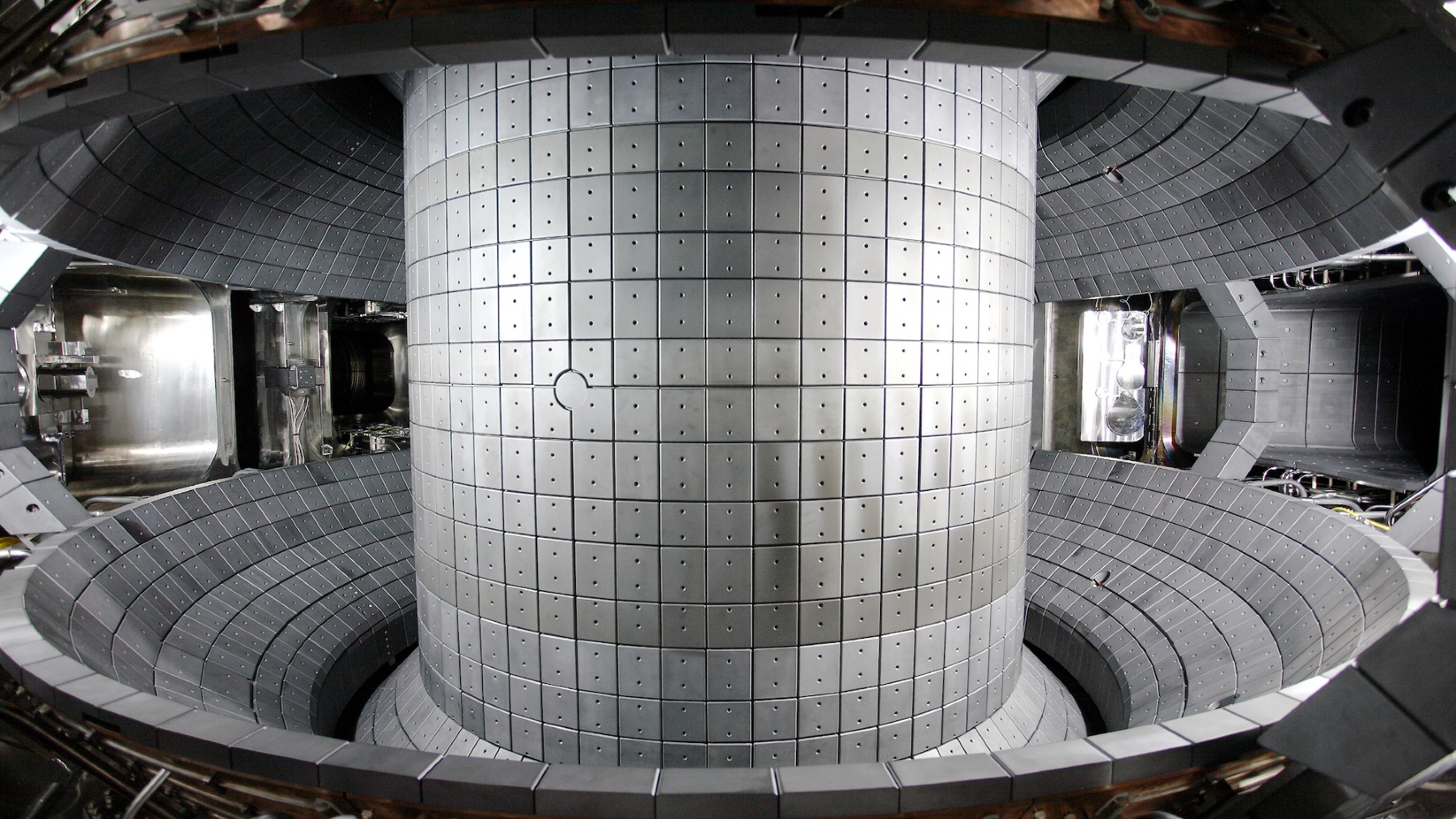
The doughnut-shaped fusion device employs the magnetic fields to hold hot plasma in a tokamak reactor. In late 2022, KSTAR was able to set a new record by keeping the plasma at a temperature of 100 million degrees Celsius for 30 seconds which lasted a record-breaking time.
The Tokamak reactor that has experts on edge: 100 million degrees
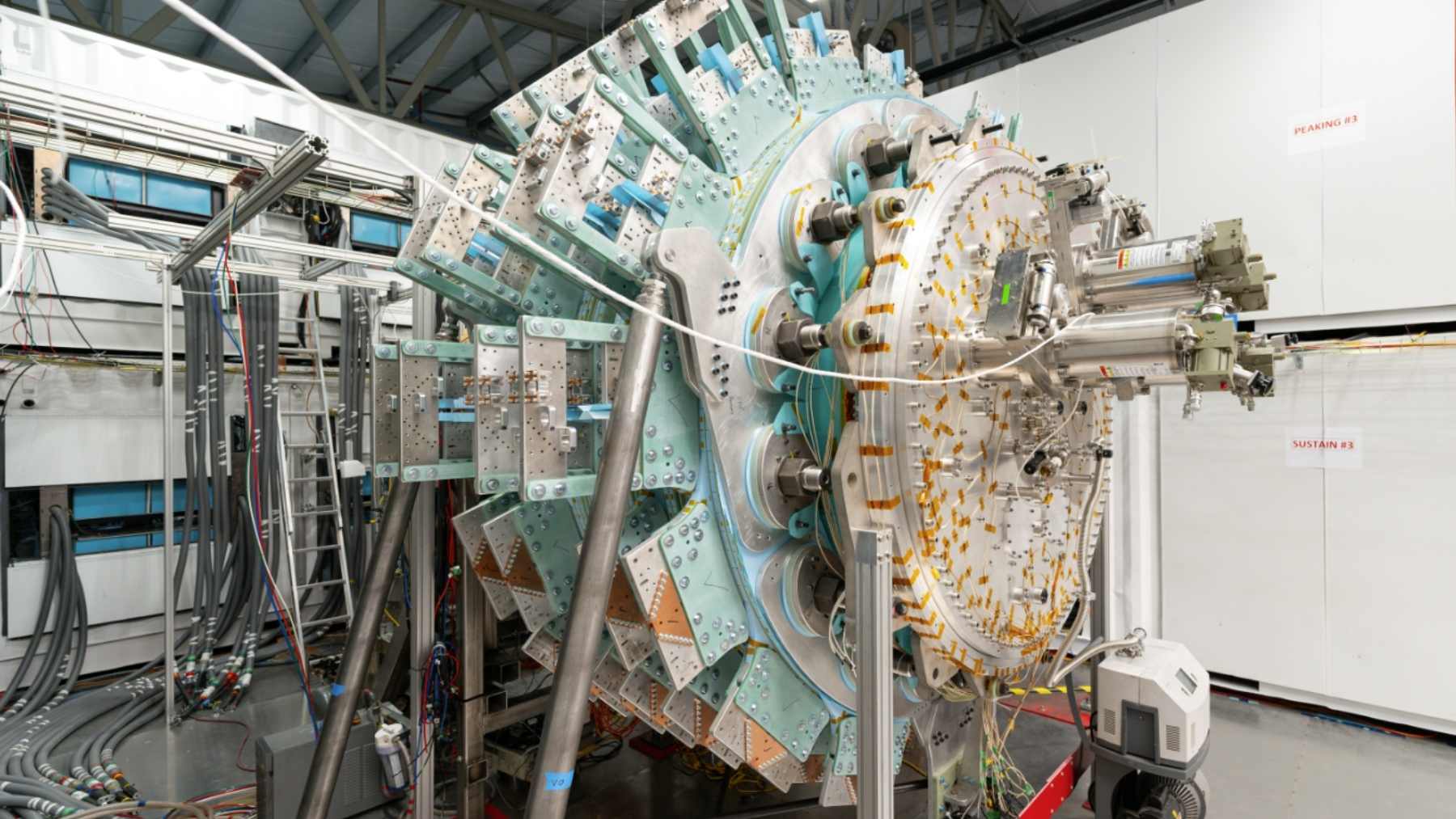
The KSTAR (Korea Superconducting Tokamak Advanced Research) tokamak reactor is a fusion device that is being experimentally tested and is situated at the National Fusion Research Institute in Daejeon, South Korea. The project was designed to expand the research and development of nuclear fusion power.
Tokamak, on the other hand, employs the use of powerful magnetic fields to confine hot plasma in the shape of a torus. The plasma is heated to the extremely high temperatures of over 100 million degrees Celsius so that the fusion reactions are forced to happen which releases a huge amount of energy.
The KSTAR tokamak has several electromagnetic coils that work together and generate a combined magnetic field that is used to confine and shape the plasma so that it does not touch the interior walls of the reactor. The plasma is heated up by sending current into the plasma and injecting particles that collide with the plasma.
In every experiment conducted at KSTAR, the scientists plan to reach the highest plasma temperatures and durations. The main aim is to show the viability of fusion power as a clean, safe, and almost unlimited energy source of the future.
A record (beyond temperature) that will make history: what will happen now
The KSTAR (Korea Superconducting Tokamak Advanced Research) machine lately broke a new record by keeping the controlled fusion reaction going for 48 seconds. This is even better than the previous record, also set by scientists at KSTAR in 2021, of keeping the fusion for 30 seconds.
The fusion process of the plasma must be sustained at temperatures of more than 100 million degrees Celsius which is very difficult. When the conditions are very extreme, the plasma tries to expand as fast as possible and touch the inner walls of the reactor, which leads to rapid cooling of the reactor and the cessation of the fusion.
The issue of the magnetic field that contains the plasma must be dealt with by the control of the magnetic field. The more the plasma stays at the right temperature for a long time, pressure and stability wise, the good chance fusion has to give more energy.
As you can see, this proposal based on nuclear fusion highlights how the ecological transition is driving countries to look for new alternatives. The key is in sources that require less space and degrade ecosystems less, according to several companies in the sector in their latest reports (something that is actually nothing new, you know what is happening in Alaska with the oil fields).