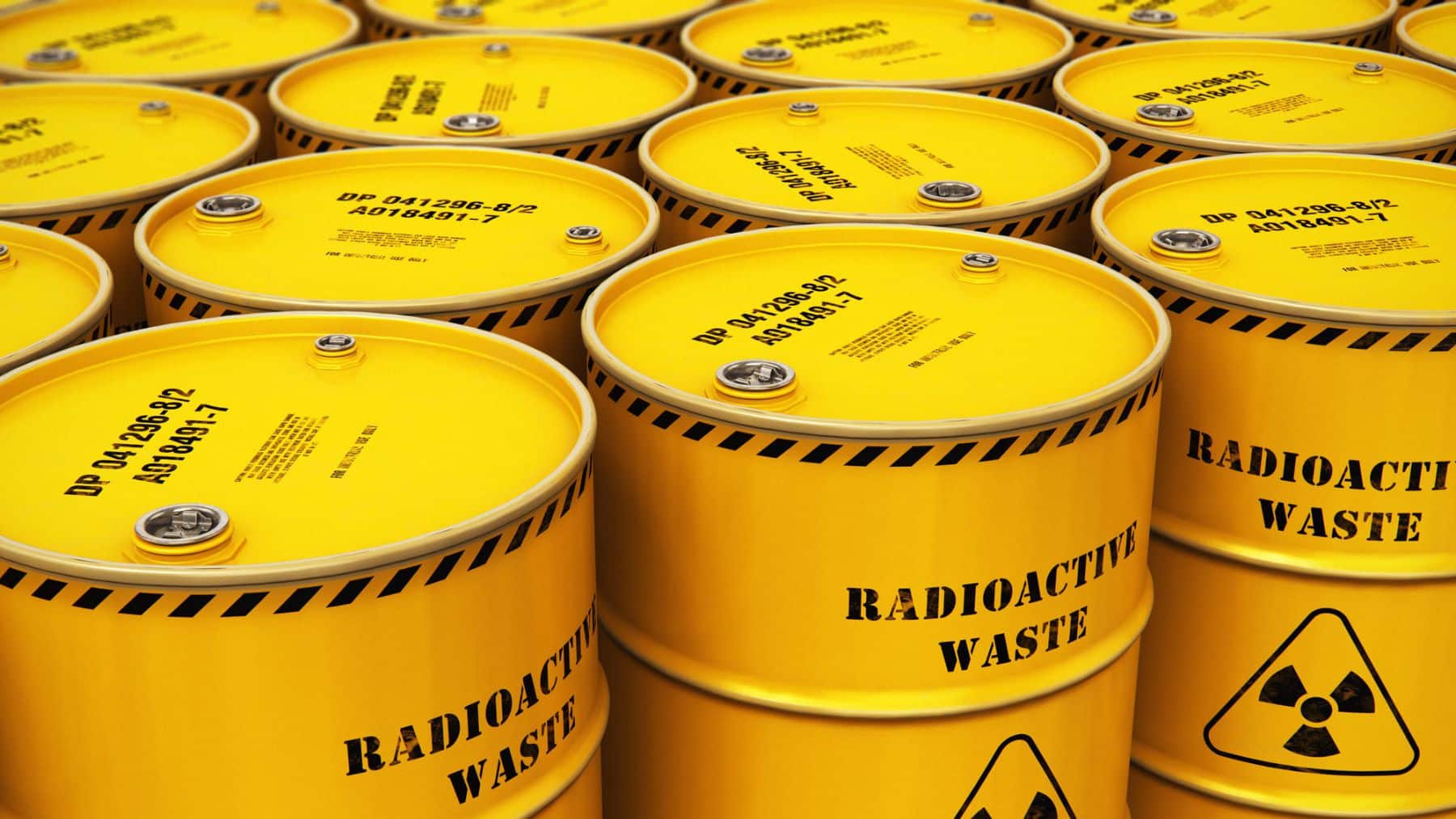
In a breakthrough that has monumental implications in far-reaching consequences for more secure disposal of wastes and reduced risks of contamination, scientists at Washington State University have established how to identify poisonous salts that crystallize in nuclear waste melters. According to scientists at Washington State University, their breakthrough has monumental implications for more secure waste disposal while reducing contamination risks.
Scientists just found a way to detect harmful salts before they cause damage.
The WSU research team, in partnership with the Pacific Northwest National Laboratory and the Massachusetts Institute of Technology, has developed a way of ascertaining the formation of fluoride, chloride, and sulfate salts in vitrification processes. Vitrification processes turn nuclear wastes into glass for secure containment. Salt formation in the process is difficult to handle because it causes the breakdown of apparatus through corrosion and leaks in case of glass contact with water.
Scientists have used optical and electronic materials to sense the radiation of wavelengths from infrared to microwave that occurs naturally in radioactively melted glass. They monitored changes in the radiation of heat over time to ascertain the formation of salts. Through this method, salts from far distances from where radiation occurs naturally in radioactively melted glass are remotely sensed.
According to WSU Insider, the system discriminates salts of differing compositions while it senses even trace salts. Salt discrimination is crucial in allowing monitoring of vitrification processes to sustain their prevention of salt formation.
Here’s how this discovery makes nuclear waste management more efficient
The ability to monitor the formation of salts in real time has implications for how nuclear activity wastes are dealt with. The largest of these in the United States is at the Hanford Site, where 177 chemical and nuclear wastes contain 55 million gallons of hazardous materials. Because of their chemical compositions, these wastes can potentially form salt.
Salt formation in advance would allow plants that handle waste to upgrade their decontamination technology to reduce contamination risks. Real-time measurement of salts through this new method makes it easy to modify vitrification so that salts cannot crystallize to damage the structure of glass. This technology benefits not only safety in storing wastes from nuclear activity but also a lifetime of expensive vitrification apparatus.
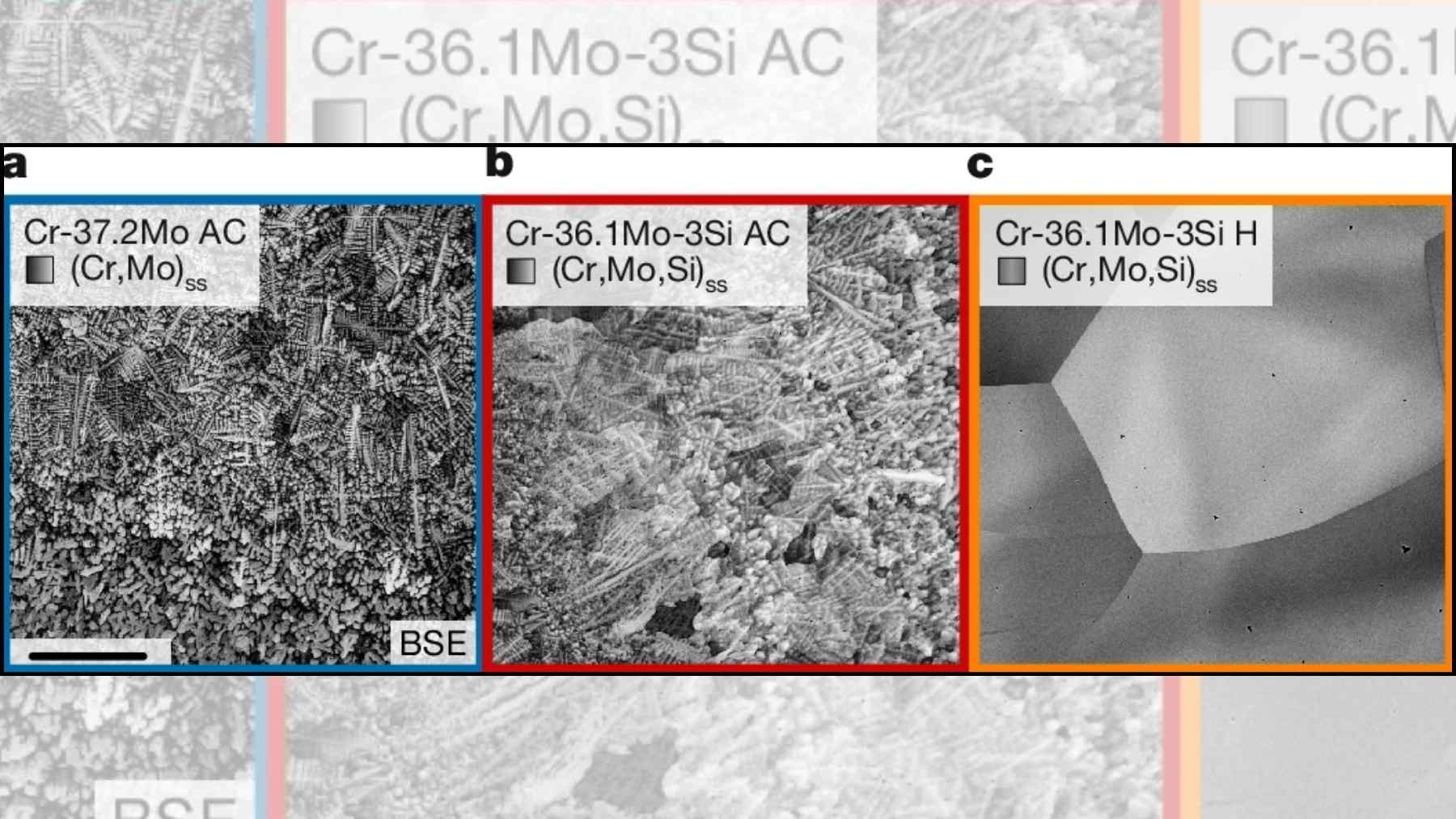
The scientists who have developed the technology believe that it has implications for more than the disposal of waste from nuclear activity. Molten salt reactors and other processes, such as glass carbon fiber or epoxy processes, would have an advantage over them. Monitoring changes in phases in these processes as compounds of varying structures evolve would make their processes more efficient and their output higher quality.
This game-changing technology could reduce costs and protect the environment.
The discovery of how to determine salt has economic and environmental implications. According to The Cool Down, nuclear power is one of the purest energy resources that emits no pollutants or trap-tightening gas. Technology improves waste disposal safety, making nuclear power more attractive to fossil fuels.
Proper waste disposal is crucial for environmental safety. Salt formation in vitrified wastes has the potential to cause leaks and contamination that result in gigantic environmental risks. By preventing salt formation by determining salts, technology makes wastes properly contained and not environmentally hazardous. Monitoring vitrification in real time has the potential to make gigantic cost savings. Preventing salts evades expensive repairs and replacements of vitrification apparatus. Moreover, greater vitrification efficiency decreases the general cost of waste disposal.
The discovery of how to determine unsafe salts that precipitate in vitrification melters for nuclear wastes is a technological breakthrough in disposing of wastes containing nuclear waste. Vitrification is more secure and cost-effective through environmental hazard reduction and cost burdens through this technology. As the human race approaches more green and eco-friendly energy in the future, breakthroughs of these sorts go far in enabling us to handle nuclear wastes securely while getting results.