The removal process of snow and ice from automobiles becomes essential during New York City’s winter months. Motorists should avoid certain items inside their cars during freezing conditions because failing to remove snow from their vehicles may incur up to $850 fines. You should understand these specific guidelines to avoid penalties and protect your vehicle.
Avoid the $850 penalty: Courier works to explain why snow removal from your vehicle remains essential
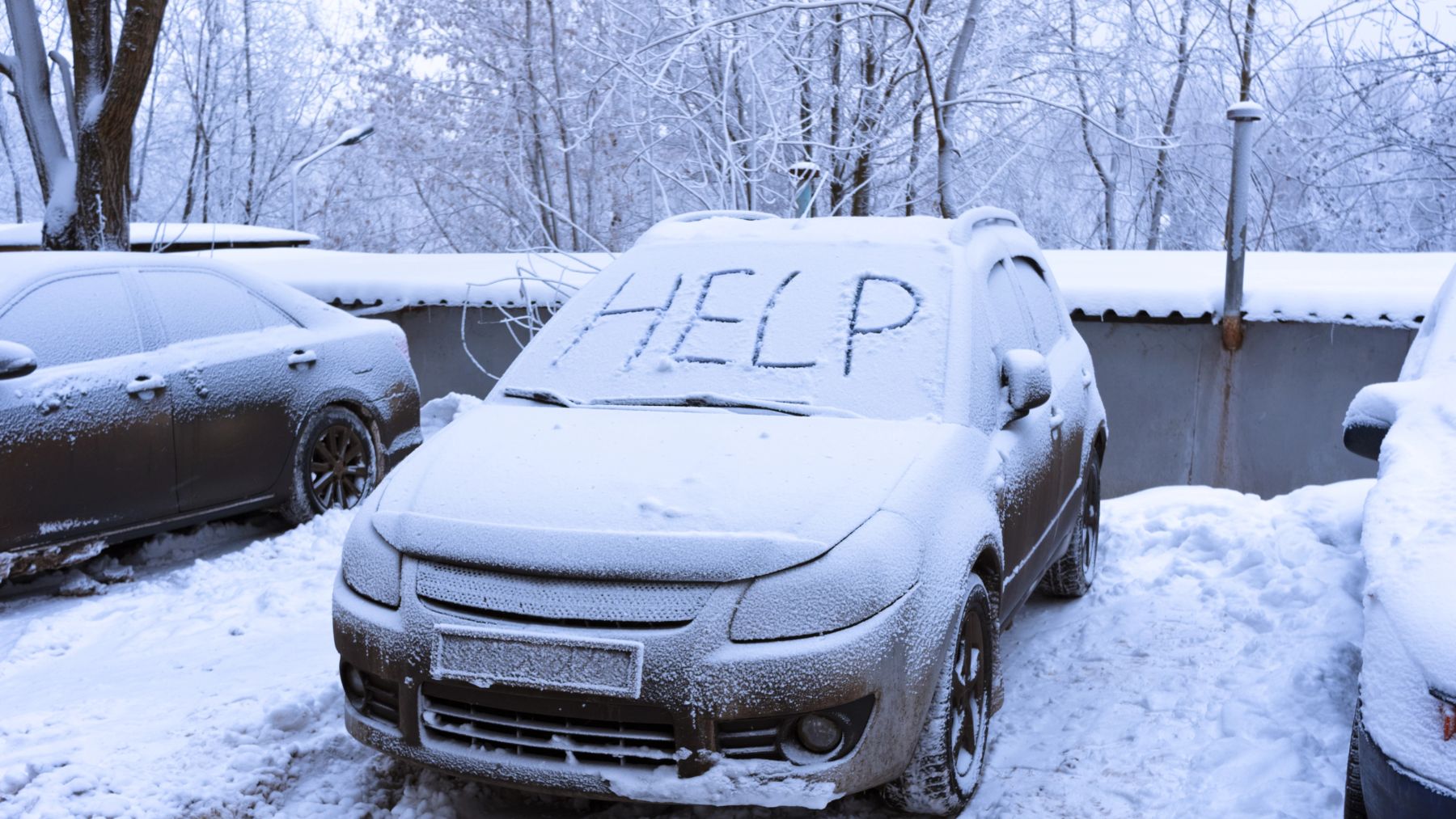
Drivers throughout New York are legally required to eliminate snow quantities exceeding three inches that accumulate on their vehicles. The clearance requirements extend to cargo beds, trailers, and all compartments, including roofs and occupant and cargo areas. A December 2019 enacted legislation provides winter road safety through its current framework.
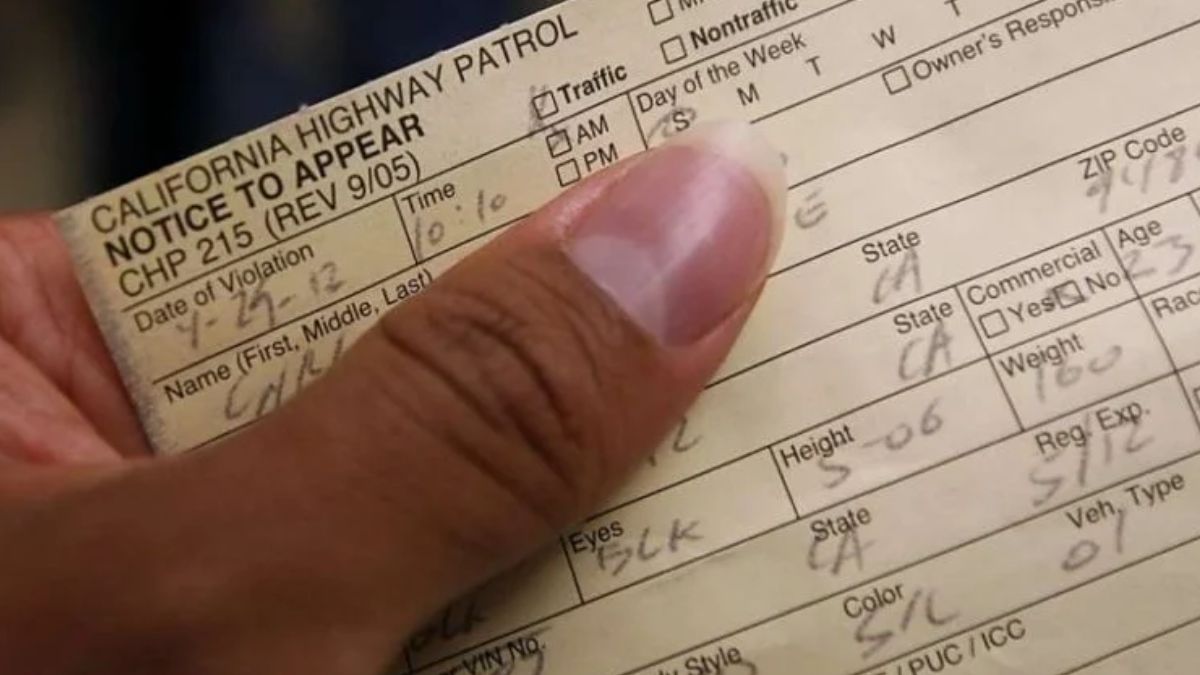
Being unable to provide evidence that you cleared your vehicle of snow and ice in court can lead to fines from $150 to $850. If you receive a $150 fine, no points will be assessed for your license. The law stops applying during active snowfall or the three hours following its conclusion while keeping exemptions for vehicles at rest and danger mitigation responders.
Organized snow removal methods both serve safety needs and prevent financial penalties
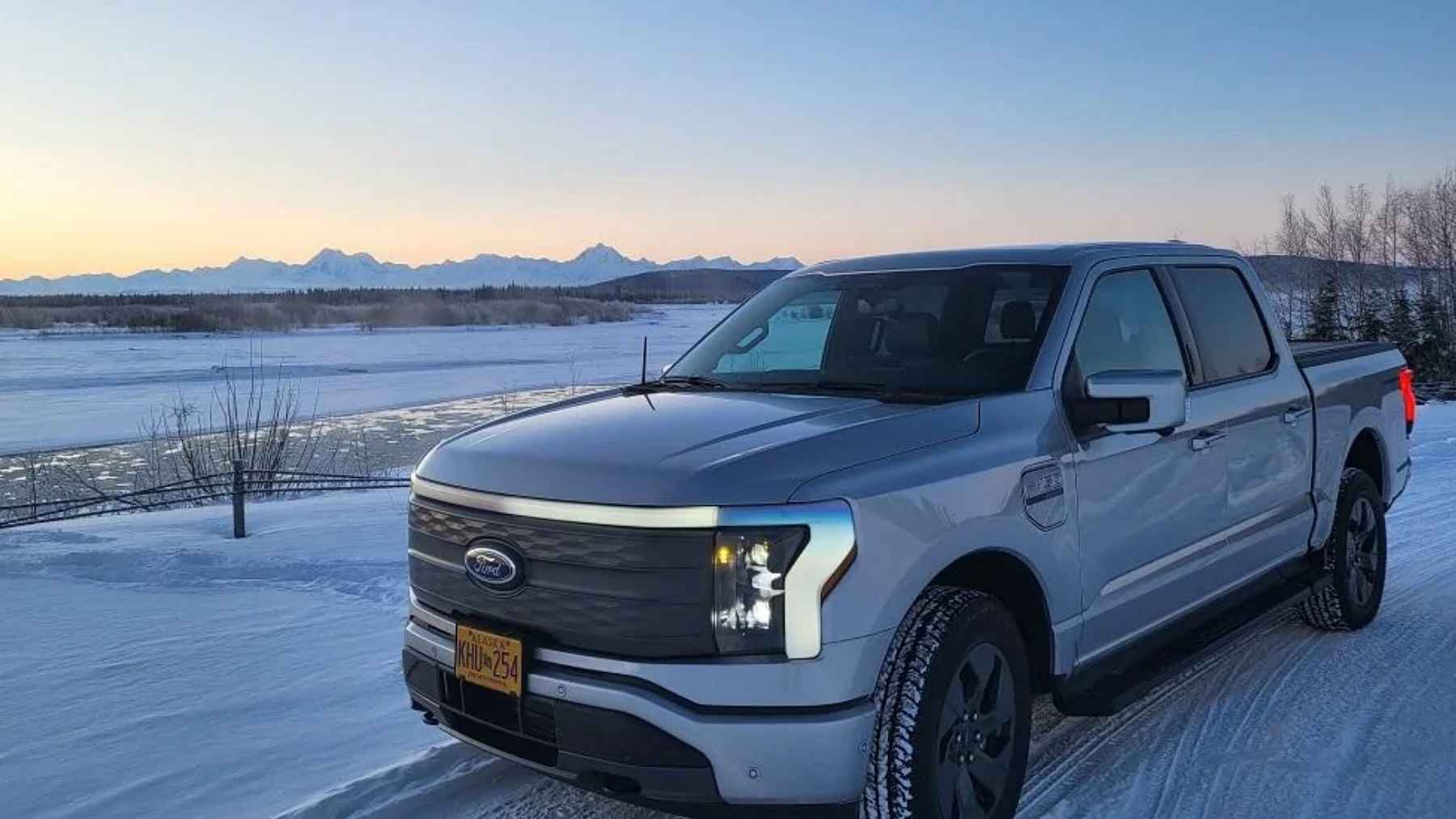
Removing snow, sleet, and ice from your whole vehicle should occur before you start driving to prevent fines. Squeezing out a tiny view from the windshield falls short of compliance and will likely result in an expensive fine. You must completely clear all surfaces, including the roof, mirrors, windows, and fronts, to maintain proper visibility while keeping your vehicle safe.
To prove the situation clearly, photograph the scene, then mark down the exact time when the fine was received. Learning to record details about your situation might become significant if you plan to fight your traffic ticket in court. Snow removal processes serve two essential purposes: deterring fines and creating safe road conditions for everyone by stopping ice and snow from flying off vehicles while driving.
What not to leave in your car during freezing temperatures
Freezing temperatures have certain items you must avoid placing inside your automobile. Extreme cold temperatures transform aerosol cans like deodorant bottles do, resulting in potential explosions. Protect your belongings by storing them inside your residence throughout the winter months. Frozen canned goods frequently become unsafe to consume due to bacteria, and they develop an unsafe amount of expansion and swelling.
According to their recommendations, the USDA advises that all expanded and thawed canned goods need to be removed from use. Eggs become dangerous for human consumption when freezing results in their shells cracking. Frozen uncracked eggs must remain in frozen storage until you need them, followed by refrigerator thawing. Freezing subjects medications to changes that reduce their safety profile and effectiveness.
No visual tests exist to verify frozen medication’s safety, so disposal is the most reliable solution. The temperature drops below 32°F, according to Apple and Samsung, representing a danger to electronic devices, including cell phones and tablets. Never put children, elderly individuals, or pets in your vehicle when extreme weather strikes because they risk developing hypothermia and other problems linked to cold exposure.
Preparing for winter driving: Don’t let the cold catch you off guard
Freezing weather conditions currently impact many Americans across the United States, demanding careful planning for winter driving safety. Several meteorological outlets, including the National Weather Service, expect deep snow alongside arctic temperatures in multiple states, including New York. Preparing your vehicle for winter weather helps you avoid trouble with enforcement officers and protects your safety on driving roads.
The condition of your tire tread needs inspection because poor tire quality results in slippage on snowy or icy surfaces. Check your brake pads to see if they are operating well since it is essential for making safe stoppages. Waiting ten minutes with your car running as a pre-driving protocol will protect its functioning throughout the cold season. Your vehicle’s performance during winter conditions improves when you use both an engine block heater and follow the recommended procedures in your manual.
Winter conditions in New York City force drivers to take additional steps toward safe transportation. Observing the three-inch snow removal rule and carefully removing certain items from your car before temperatures freeze will help you stay safe while driving and escape monetary penalties. Position yourself on driving complications because you need skills to handle winter road conditions efficiently.