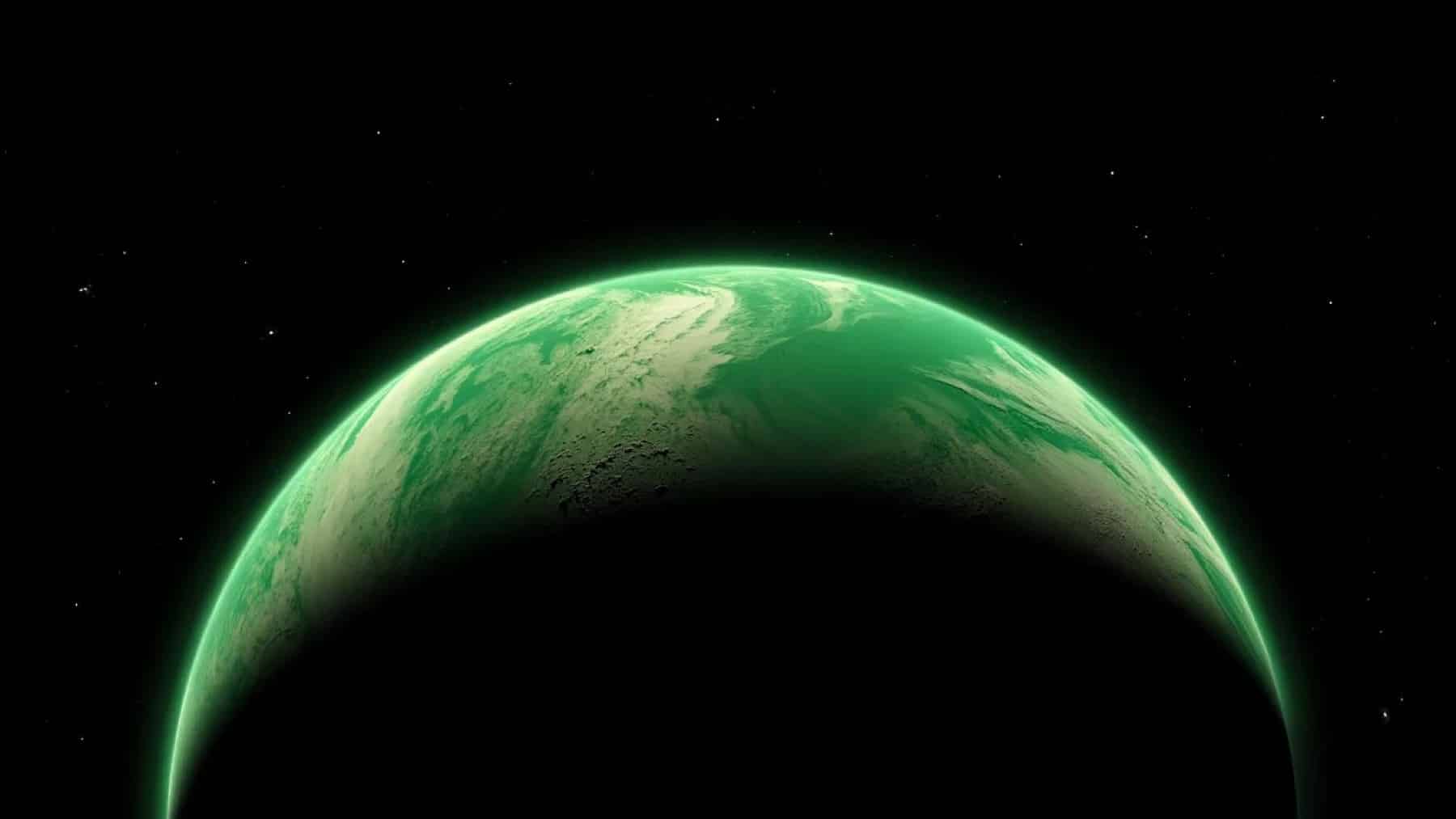
From outer space observatories, one sees Earth’s oceans showing a blue appearance, but this color has never been permanent over their existence. Multiple types of evidence from the past and present demonstrate that oceans were green in the past and indicate there is a probability they may turn green again in the future. This research investigates the historical alongside current and projected ocean color changes of Earth based on recent scientific findings.
The Earth maintained green oceans for billions of years before the current blue oceans emerged
The earth maintained green-colored waters for two billion years until 1.8 billion years ago. These oceans displayed a green tint because underwater volcanic activity and large amounts of river-borne iron dumped their matter into the waters. At that time, all environmental conditions were devoid of oxygen, so iron remained in its reduced state but made the water appear green. Life conditions of modern times differed substantially from the ones that existed during that period.
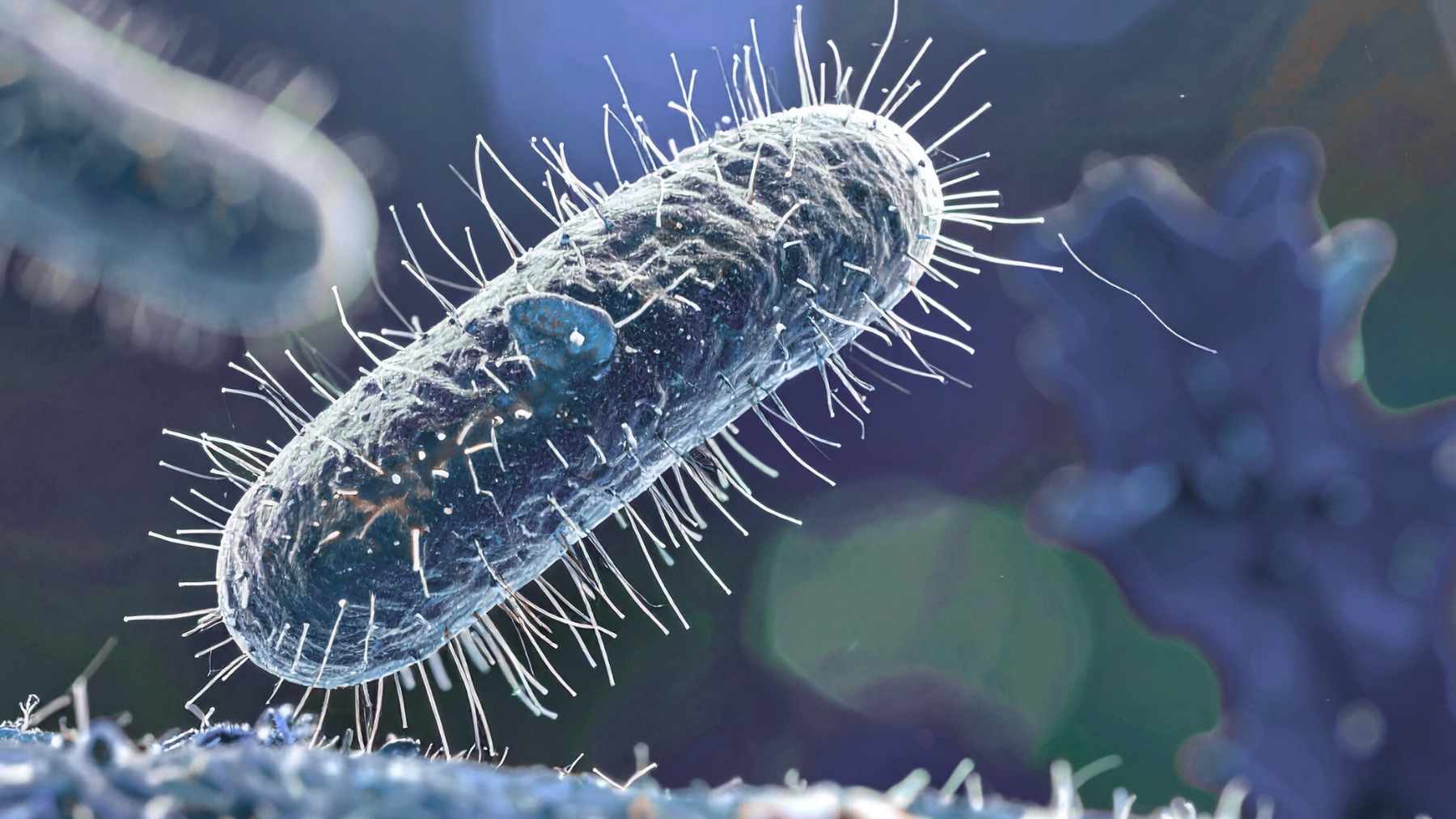
At that period, single-celled life forms maintained control over all living populations. During their early phase of existence, these simple life organisms depended upon anaerobic photosynthesis without accessing oxygen. Photosynthesis generated additional oxygen through its chemical reaction while air and ocean water accumulated this substance until the Great Oxidation Event happened. The change brought about new oxygen-based ecosystems after this significant shift.
The grand historical event transformed Earth’s seawater from green to its current blue appearance
Oxygen increases triggered ocean iron to oxidize into solids deposited as banded iron formations. The recorded transformation from oxygen-poor to oxygen-rich conditions appears in iron-rich rock layers known as banded iron formations. The water cleared its green color as iron concentrations diminished in the oceans. This transition marked an important turning point in Earth’s ecological and atmospheric equilibrium.
Present-day ocean colors result from sunlight absorbed by water and scattered through the water. The light spectrum’s red part provides color absorption to water, resulting in blue color reflection from water through the scattering part of the visible light spectrum, and is perceived as ocean blue to human vision. Complex life forms evolved because they adapted to thrive in the oxygen-abundant waters that matched the color change.
Scientists now predict that a second transformation of ocean colors is possible for Earth during future geological times. This transformation may result in purple waters. The environment might shift to contain purple sulfur bacteria because the sulfur concentration in the water rose substantially. The low-oxygen bacteria consume sulfur compounds to make a purple pigment during photosynthesis.
Under certain unexpected circumstances, the seawater would transition into purple or green states
Rising volcanic activity might alter the waters’ hue. Volcanic eruptions unleash iron and numerous mineral compounds into the ocean, modifying their chemical composition and color variations. Iwo Jima in Japan becomes green through water acidification because of iron oxidation in its volcanic surroundings. The oceans might experience an additional alteration of their hues because of these developments.
The effects of climate change might lead to modifications in ocean colors. Rising temperatures and altered meteorological conditions influence where and how much phytoplankton establish and multiply in the ocean food chain. Phytoplankton show a green color because they possess chlorophyll. Modifications in phytoplankton distributions across the oceans would change their total ocean color.
In conclusion, scientific records show that marine watercolors have undergone modifications throughout history and may undergo further modifications in upcoming generations. The planet’s chemistry and life’s evolution drive the color transformations of oceans, from the ancient Archean era’s green waters to today’s blue waters. Our actions through agriculture and fossil fuel usage show signs of causing additional modifications to marine watercolor. Planetary environmental health assessments, together with human-induced environmental impacts, become more apparent through the understanding of these modifications.