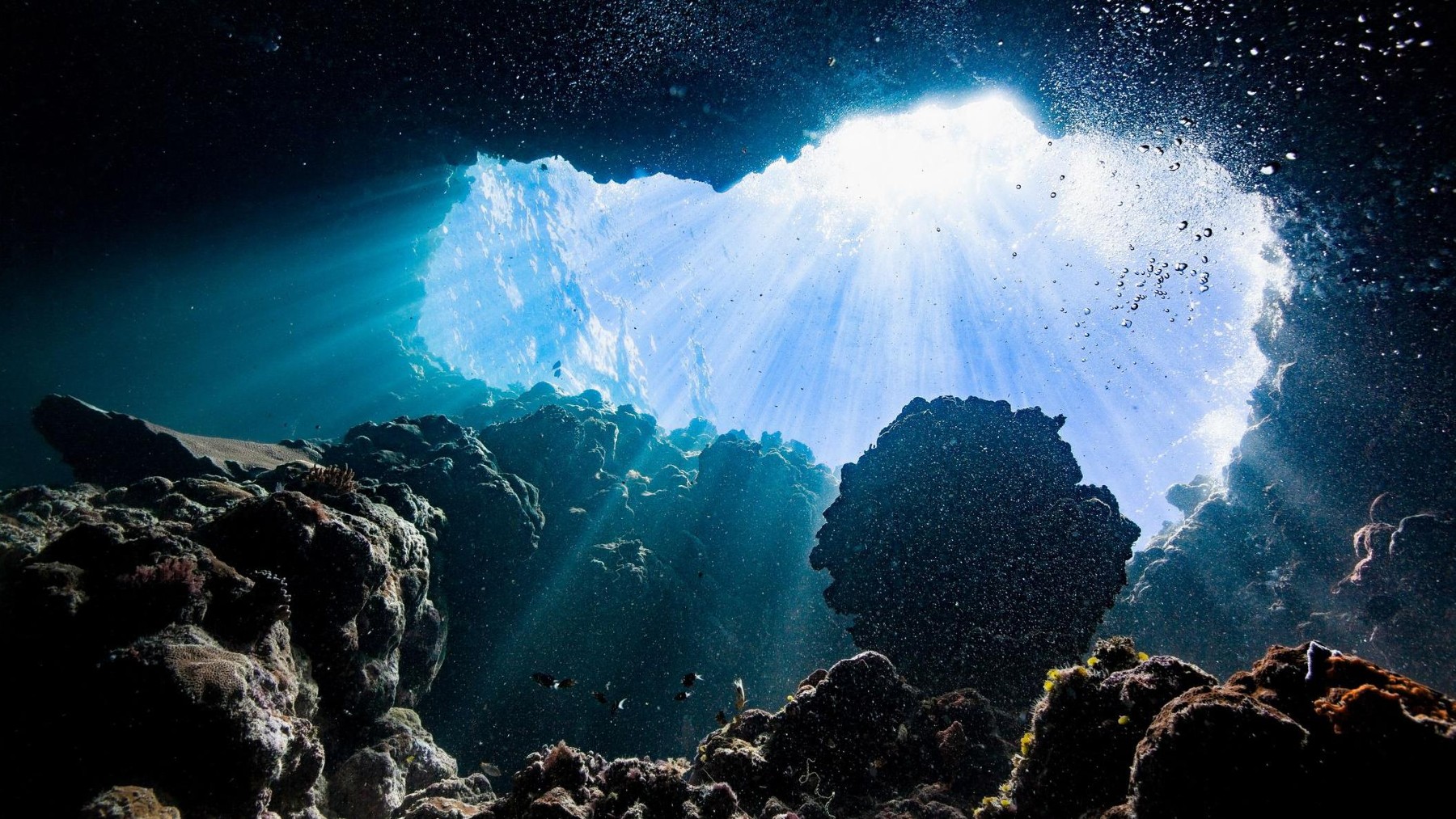
At first glance, the beautiful green ocean illuminations appear like captivating marine phenomena, but they actually reveal concerning water ecological changes. Modern observations demonstrate that this green colour, which mostly appears in the Gulf of Oman, signifies major environmental shifts. An examination of underwater situations shows why this issue needs immediate action from the global community.
The green light shining in the Gulf of Oman originates from oceanic processes.
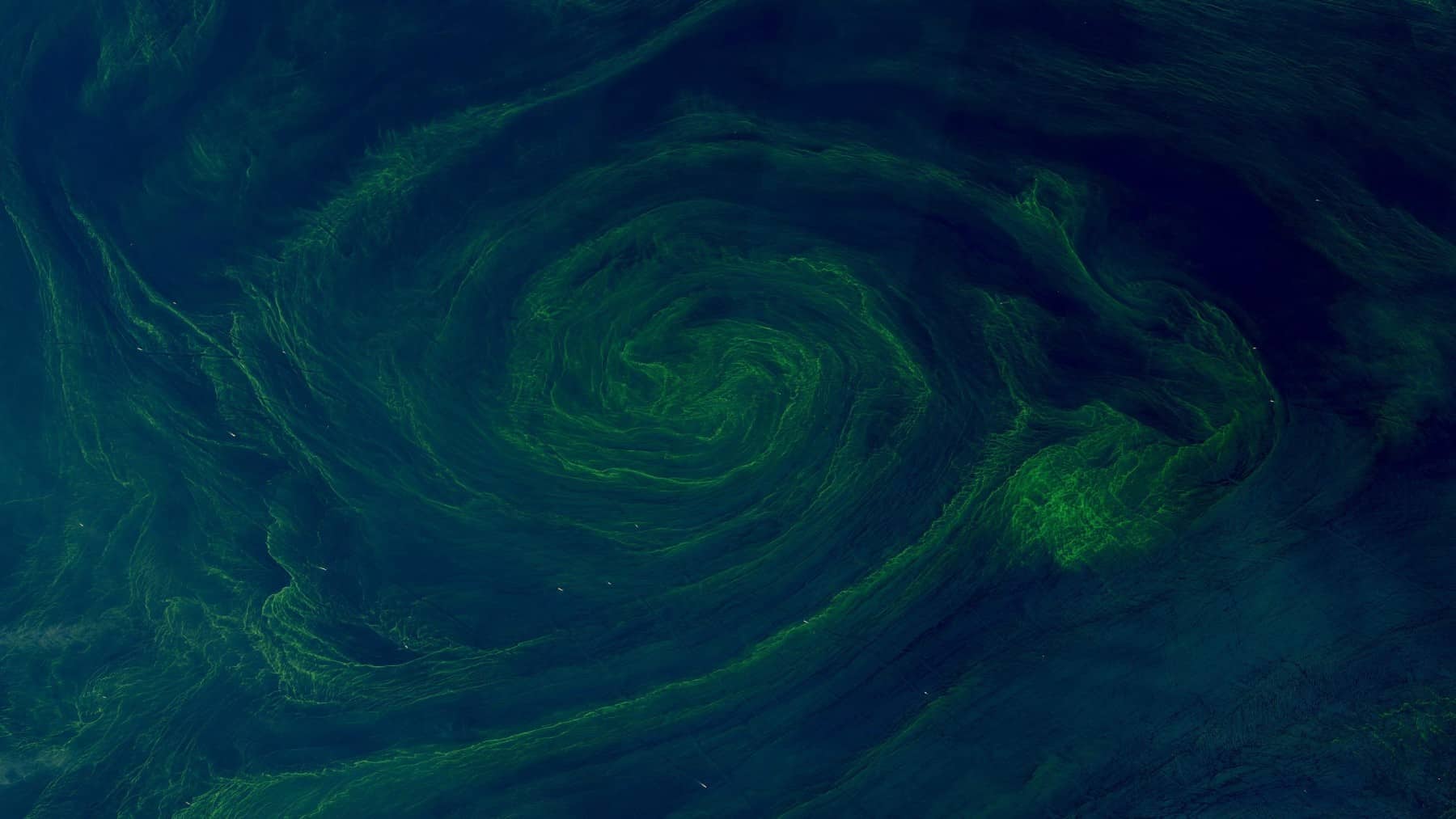
Aerial observations reveal that the Gulf of Oman exhibits strong green emitance. A characteristic green illumination becomes visible because phytoplankton organisms multiply rapidly in the region. The active multiplication of phytoplankton during monsoons occurs when winds mix surface waters and transport nutrients from depth to fuel greater biological activity in the area.
The green illumination represents an autonomous ecological system that exists naturally in its environment. Major ecological changes appear throughout the marine ecosystem due to Noctiluca scintillans phytoplankton domination over specific Gulf of Oman areas. Unlike standard plankton species, Noctiluca dominates over other species in nutrient-poor waters, causing complete reconstruction of the marine community structure.
Noctiluca scintillans carries out a replacement operation that harms necessary ocean species.
This species, Noctiluca scintillans, produces bioluminescence, which increases its population in the Gulf of Oman. Noctiluca produces an appealing dark-sky effect while wreaking environmental havoc on every oceanic organism. Ocean life faces terminal danger from Noctiluca blooms because these events lower water oxygen levels to dangerously low hypoxic thresholds.
As Noctiluca spreads, it causes the decline of diatoms, which act as the base of a wide oceanic food web. A fundamental change in the food web started when copepods decreased and jellyfish increased, endangering valuable finfish species for commercial use. The disturbance threatens native fish catches and regional food stability in this area.
Reducing ocean biodiversity occurs when oxygen levels diminish
The decomposition of dead Noctiluca blooms uses up substantial amounts of oxygen, creating broad-scale oxygen depletion in the water. The low oxygen hypoxic conditions develop when oxygen supports only a small portion of marine life. When Noctiluca blooms take over marine habitats, fish mortalities and habitat collapse happen more frequently. The ocean ecosystem transformed from diatom control to Noctiluca dominance, which created extensive changes in marine conditions.
All marine organisms face harm because of the absence of copepods and finfish, which affects both small invertebrates and large predators. The abnormal ecological disruption represents an enormous threat to ocean biodiversity while endangering their natural health equilibrium. The Gulf of Oman operates as an important ecosystem hotspot that supports worldwide trade activities and provides maritime transportation services to nearby local economies. The expanding oxygen-depleted zones endanger marine biodiversity yet also affect shipping safety and fishing operations, making the issue both environmentally sensitive and geopolitically important.
Research exists on this ocean phenomenon with green colourations that demonstrate its global Earth-level effects
Phytoplankton blooms in the Gulf of Oman exhibit changes that represent worldwide changes in ocean environmental conditions. According to scientists, future changes in ocean stratification and climate conditions will enable the detection of additional key marine ecosystem deteriorations since Noctiluca appeared. Immediate action is needed to prevent all water bodies from turning into black hues.
Marine ecosystems face severe ecological transformations based on green glows appearing in ocean waters. Hypoxic conditions from Noctiluca scintillans create environmental harm that destroys biodiversity within the Gulf of Oman marine ecosystem. A swift response is needed to prevent and eliminate factors that damage oceans. Science provides evidence that global warming increases the development of harmful algae, including Noctiluca scintillans.
Ocean heating from different sources, agriculture runoff, and wind pattern movements lead to this ecological situation. When environmental areas allow their accelerated dissemination, blooms spread quickly across ecosystems. The blooms endanger human health through toxic contaminations that affect seafood and release toxic substances. Extended environmental effects lead to wide-scale problems with fish harvests coupled with weather system alterations and broad-scale reductions in oceanic oxygen concentrations. Sequential global knowledge about these changes becomes necessary to safeguard ocean biodiversity and health.