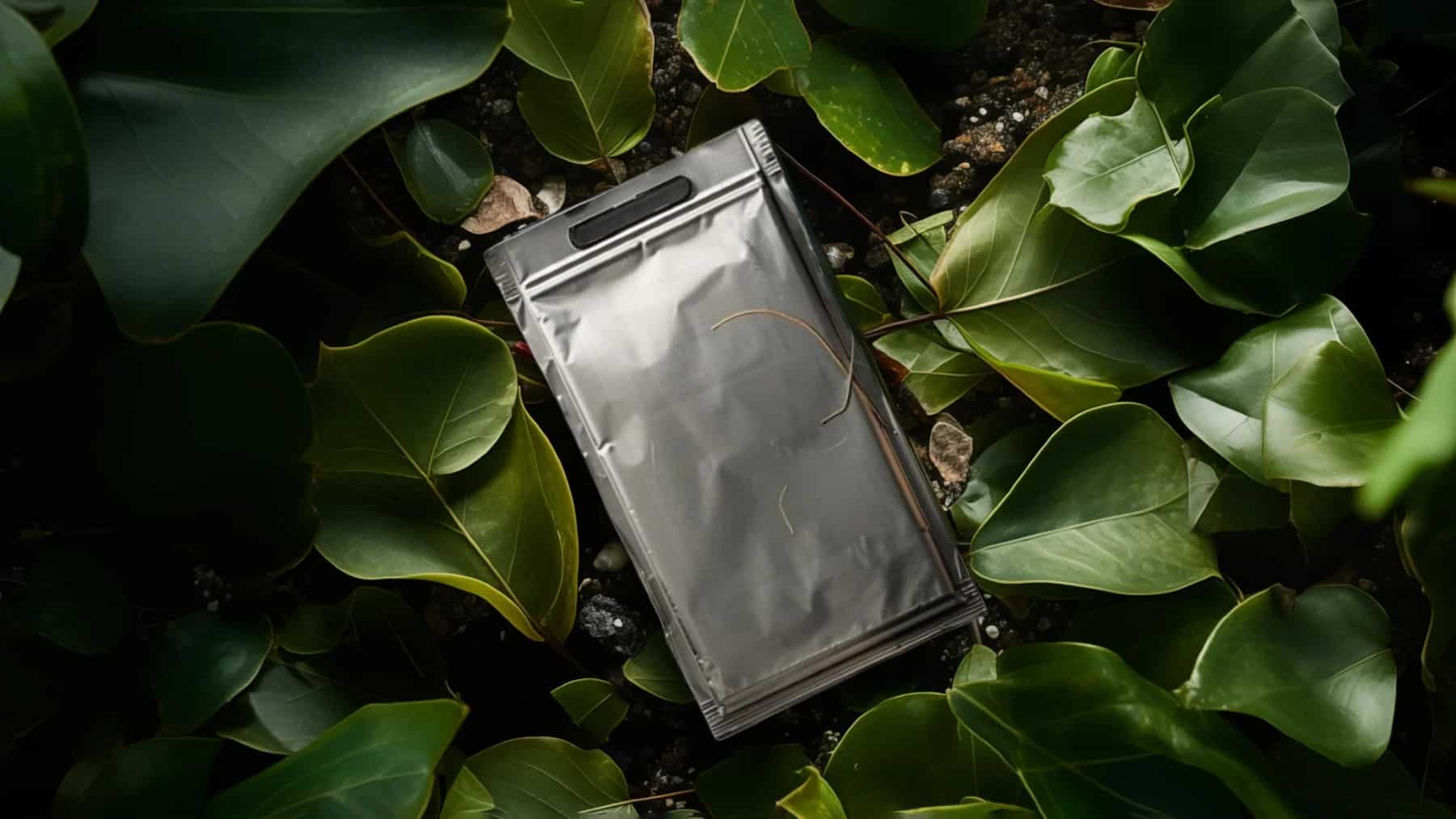
In a move that will transform the technology landscape, paper batteries are being positioned to replace lithium-ion batteries. Created by Flint, a startup from Singapore, the paper batteries have drawn much critical attention, such as the Best of CES Sustainability award. In this paper, the future of paper batteries is examined, as well as what role they can play in energy storage systems going forward.
These ‘paper batteries’ are made from paper and promise to be cheaper, safer, and less harmful to the environment.
Composed of biodegradable and non-toxic substances, paper batteries represent an environmentally friendly and sustainable alternative to traditional energy storage devices. They are lightweight and flexible and can be disposed of without harming the environment. Furthermore, they are low-cost and not dependent on rare elements, thus making them an appealing solution for widespread use.
With growing concerns about electronic waste and resource depletion, paper batteries can transform everything from consumer electronics and medical devices to large-scale industrial energy storage. The potential result could be an unparalleled lessening of the environmental footprint combined with additional improvements in renewable energy systems.
Flint’s paper batteries use a natural resource–cellulose–which is abundant in nature. The plant-based batteries that Flint is developing are much safer and less damaging compared to their lithium counterparts. According to Inc., “The cellulose found in paper batteries acts as an electrolytic solution for transferring ions between the anode and cathode. This structure is effectively an evolution of the lithium-ion battery. The difference is that paper batteries are eco-friendly.”
Why this battery won “Best of CES” and why big companies are paying attention
- Sustainability—With no remaining mining operations, the use of paper batteries is economically viable. The needed resources are readily available in bulk, and we do not have to resort to mining earth elements, which is synonymous with catastrophic ecological damage.
- Safety—These batteries can be set ablaze under extreme pressure, but unlike lithium-ion batteries, they will not catch fire by themselves. Paper batteries present risks when used outdoors, but unlike lithium-ion batteries, paper batteries are constructed so that they cannot be set ablaze, meaning puncturing, bending, or even smashing the batteries will not affect their performance. These resolve one of the safety issues of lithium-ion systems, including a fire alarm mechanism.
- Cost-Effectiveness—AI estimates that the costs of power paper batteries and energy RF will be below $50 per kilowatt hour while charging $115 for Lithium-Ion batteries. Such savings are profound and will improve the other sectors of the economy, which construct energy storage infrastructures.
- Flexibility—Zooming paper batteries’ main design quality, which is lightweight and flexible, enables their use in a broad spectrum of devices, ranging from small electronics to bigger machines like e-vehicles and even airplanes.
These batteries disappear in 6 weeks—here’s why that’s a game-changer
Over 20 companies from critical power supply, space, electrical engineering, and even consumer electronics have had their interest piqued by Flint’s paper batteries. As noted in CNET, the batteries can be miniaturized to a size smaller than a coin battery or fitted in the strap of a smartwatch, proving how adaptable they are.
The manufacturing and disposal of normal batteries accelerate environmental pollution. CO2 gasses and chemicals are spat out from toxic leaks, and water is used during mining for lithium and other materials within conventional batteries. In contrast, paper batteries can biodegrade in six weeks, greatly aiding in the issue of pollution caused by battery disposal.
Although Flint is currently focusing on smaller batteries for consumer electronics, its scaling-up potential is astounding. The company wishes to use paper batteries in smartphones, electric car doors, and even jet wings. Their unique and layered structure promises innovation within paper batteries. Flint was recently granted $2 million to construct a test production plant in Singapore. This facility offers evidence that the battery industry can be decentralized and is not restricted to trade.