As we search for cleaner, more effective energy resolutions, perovskite solar panels appear as an optimistic technology ready to transforms the solar sector. Latest developments in passivation procedures, established by a global team of scientists directed by the Gwangju Institute of Science and Technology (GIST), have driven Perovskite effectiveness to new peaks, providing a glance into the future of sustainable energy production.
Perovskite technology revolution: 23.69% effectiveness accomplishment
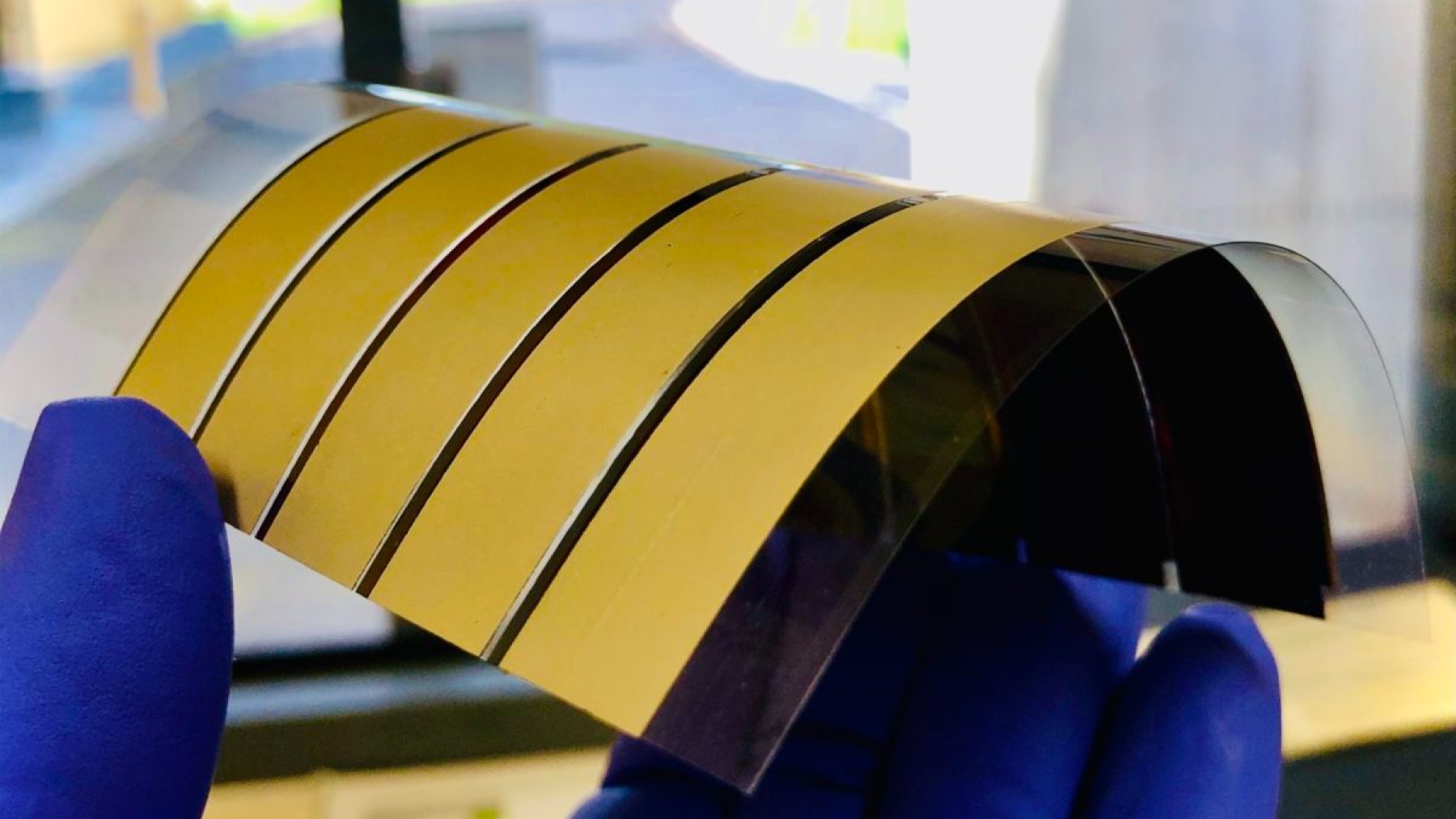
A discovery in Perovskite technology comprises of an innovative passivation procedure for formamidinium lead iodide (FAPbI3) films accomplishing a certified energy transformation competence of 23.69%. This percentage is a noteworthy advancement over conventional silicon-rooted solar cells, with reduced effectiveness along with more complex to generate.
Perovskite resources are simpler to synthesize, and it also does not need silicon mining, positioning them as a more environmental choice for massive solar energy. The GIST exploration team incorporated a hexagonal polytype Perovskite (6H) in the cubic polytype (3C) structure, increasing architectural honesty as well as enhancing transporter dynamics whilst exceeding weaknesses which normally hamper the effectiveness.
Furthermore, a Low-Dimensional Perovskite (LDP) passivation layer additionally enhances performance, accomplishing extremely long transporter lifetimes over 18 µs. This technique prevents utilizing outer chemical chemicals which could concede crystal integrity, establishing a new benchmark for solidity along with effectiveness in solar cells.
92% effectiveness maintained by Perovskite cells after 1,000 hours of trials
A main trial confronting Perovskite solar technology maintains the cells solidity gradually. Unprocessed devices have revealed substantial effectiveness loss after long revelation to both light as well as air, however the novel passivation procedure tackles this problem directly.
The heteropolytypic passivated devices maintained 92% of their original competence after one thousand hours of experimenting, a considerable development over unprocessed devices, which solely preserved 63% competence throughout the same duration. The exploration team’s progression of an added LDP layer on top of the Perovskite film performed a crucial part in conserving this effectiveness.
The leading module of the team, proficient at 21.44% competence by Newport Photovoltaic Testing together with Calibration Laboratory, exhibited the new technology’s dependability. Not only do these progressions increase the ability of Perovskite cells regarding energy productivity but it also guarantees their prolonged practicality, making them a formidable candidate for energy initiatives in the future.
Global collaboration drives innovations in study of solar energy
Not only is this revolution merely the outcome of a one team’s work but it is an international partnership. In conjunction with scientists from GIST, the research comprised of specialists from the Korea Basic Science Institute (KBSI), along with the Korean Research Institute of Chemical Technology (KRICT), as well as academic institutes in Japan, along with Switzerland, Russia, and Saudi Arabia.
This global attempt emphasizes the international significance of progressing solar technologies along with searching for more effective techniques to fight climate change. The possibility for Perovskite to transform the solar sector is vast. In comparison to conventional silicon cells not only is perovskite effective however it is also simpler to generate making way for quicker as well as a more economical implementation of solar energy globally.
As investigation persists to polish the solidity together with the operation of the cells, Perovskite might soon be the leading material in solar technology, steering a new age of renewable energy revolution. The growth of extremely competent as well as constant Perovskite solar cells indicates a considerable step ahead in the search for renewable energy resolutions.
With a certified effectiveness of 23.69% as well as the skill to sustain steadiness gradually, new standards are being set in the solar panels sector. As international partnership continues to polish these revolutions, Perovskite might soon be the foundation of the clean energy future of the globe. The potential of reasonable, environmental solar power is nearer than ever, and the Perovskite might be the fundamental solution to accessing it.