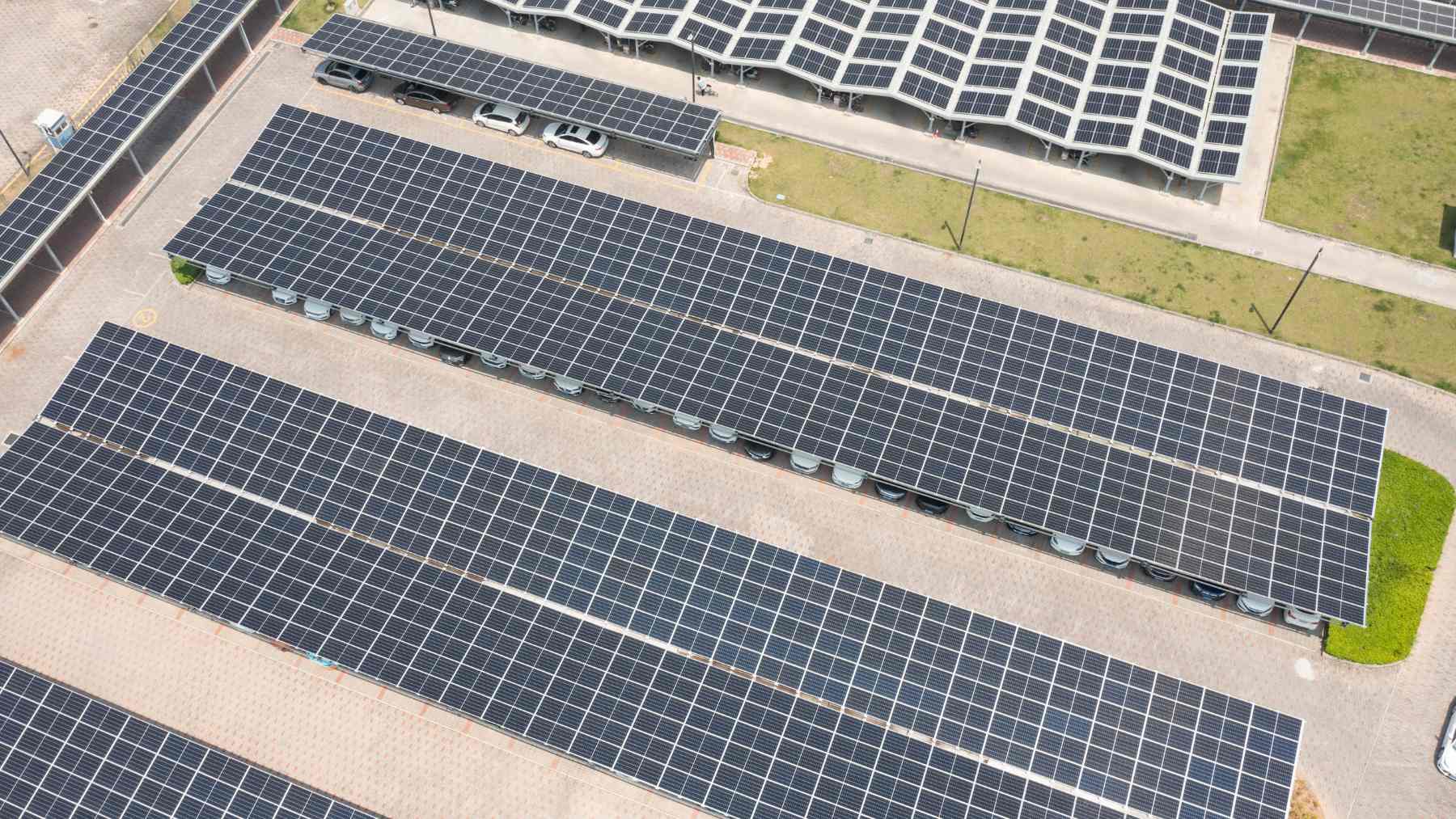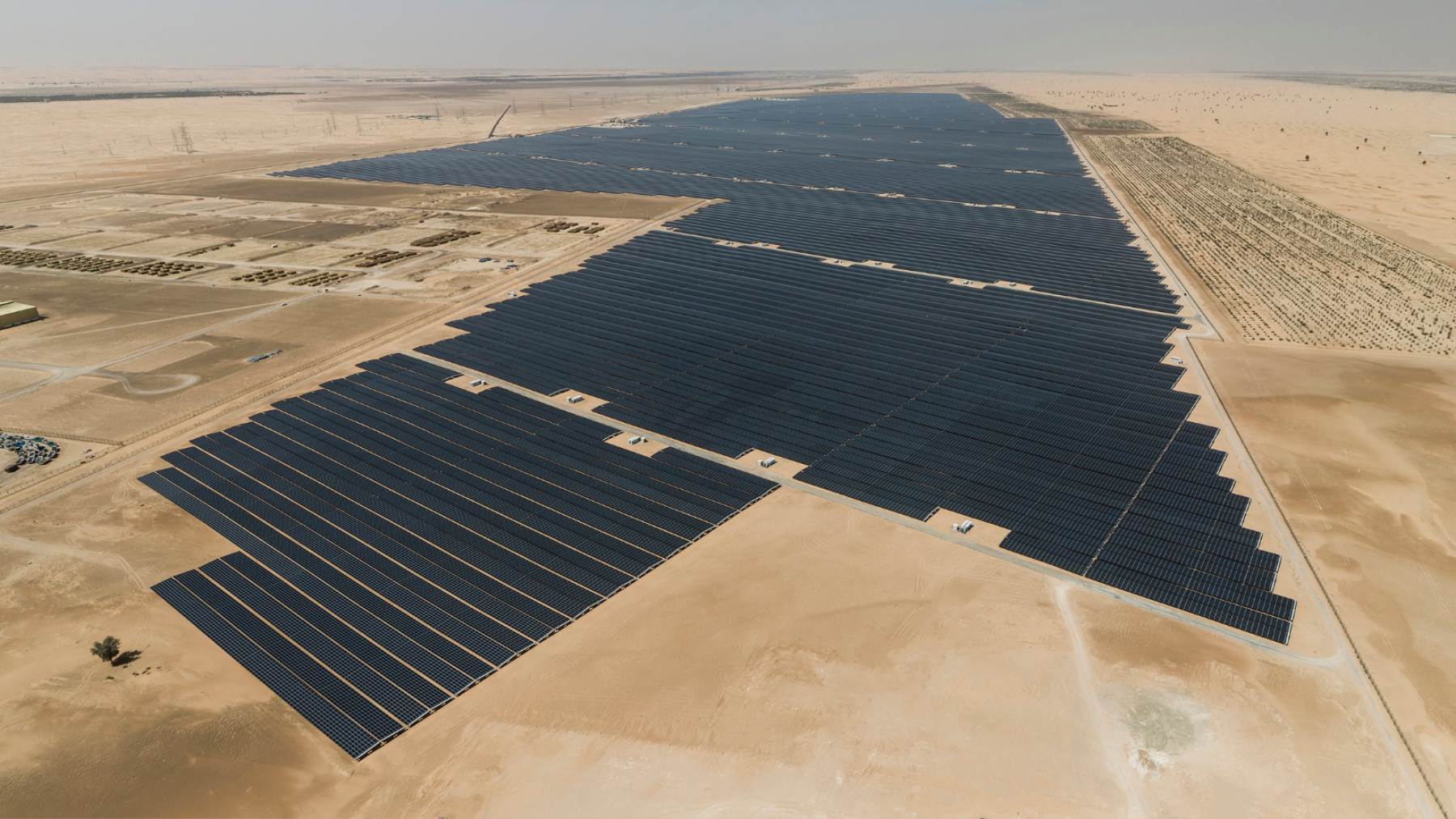
The petrol era in the UAE is soon to come to an end thanks to 3,2 million panels as the country adopts a sustainable future motto. The Noor Abu Dhabi solar plant marks the Emirates’ decision to move towards renewable energy sources instead. Featuring 3,2 million photovoltaic panels, the plant will be able to deliver 2,000 GWh of electricity, which is enough to provide power to about 66,000 homes. The 3,2 million panels plant surely is a step in the right direction in terms of the UAE’s Energy Strategy 2050.
The UAE is moving in the direction of solar power
Despite being the country known for its oil reserves and petroleum-driven initiatives, the UAE is following through with its sustainable future motto and is looking to diversify the energy options as the demand for energy escalates. With the UAE’s Energy Strategy 2050 being brought forward, the vision is to ensure that clean energy generation initiatives increase to 50% by 2050 from its current 25%. In the process, the idea is to reduce the carbon footprint by 70% as well.
The Noor Abu Dhabi solar plant has stepped in to provide a solution that the Emirates seek. Being in operation from 2019, this 3,2 million panels plant produces 2,000 GWh of electricity annually. Such a solar power initiative surely can meet the large-scale power demands and help to cut down on emissions completely.
What does the 3,2 million panels Plant mean for the UAE?
The Noor Abu Dhabi power plant symbolizes the country’s vision of relying less on natural energy for the generation of electricity. By achieving 2,000 GWh of power generation, the pathway towards achieving Energy Strategy 2050 is clear. However, along with this large-scale power plant, the country will have to rely on other solar and wind energy solutions as well. Thus far, the success of the Noor Abu Dhabi power plant cannot be denied, especially since it signifies how futuristic solar technology can set the standards for other renewable energy projects in the Emirates.
The Noor Abu Dhabi model is setting the tone for a renewable energy future
While the 3,2 million panels plant is a project to marvel at due to its size and output, the real reason why the Noor Abu Dhabi sustainable model is all the more inspirational is because of the technology that provides power to the model. Photovoltaic technology is relied upon; whereby solar panels convert sunlight into electricity. The method is effortless in harnessing solar energy whilst still operating on a rather massive scale. While the Noor Abu Dhabi power plant does capture the essence of the UAE’s Energy Strategy 2050, the plant surely sets the tone for future sustainable initiatives as well.
Key companies like Marubeni Corporation and JinkoSolar have played a vital role in ensuring that the Noor Abu Dhabi plant is successful, and the assistance from these companies shows the country’s collaborative effort to bring such a large-scale project to fruition. Having already gained recognition in the form of awards such as the Power Generation Project of the Year at the 2020 MEED Project Awards, the Noor Abu Dhabi power plant is nothing short of a successful sustainable energy route towards achieving the UAE’s Energy Strategy 2050.
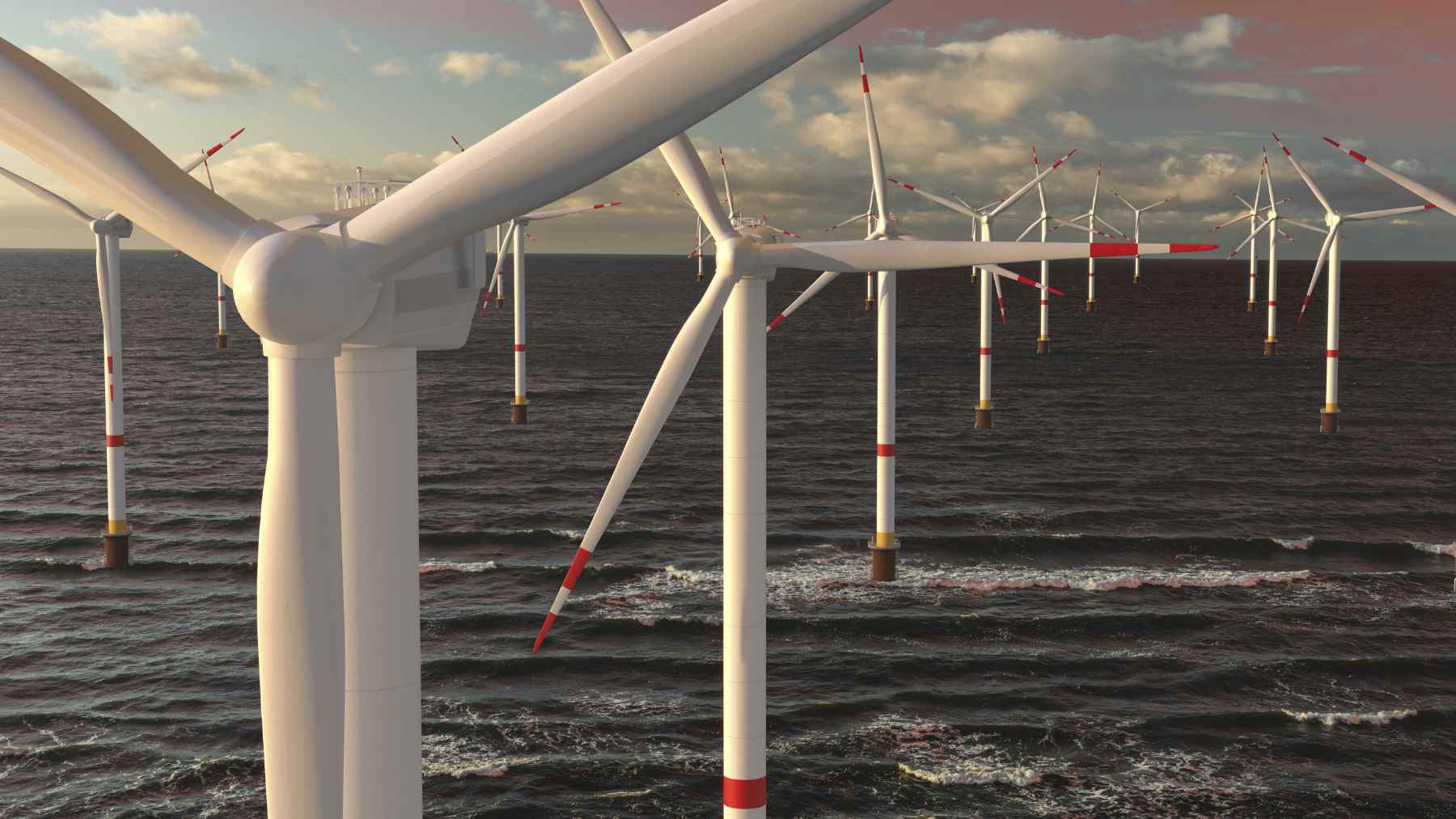
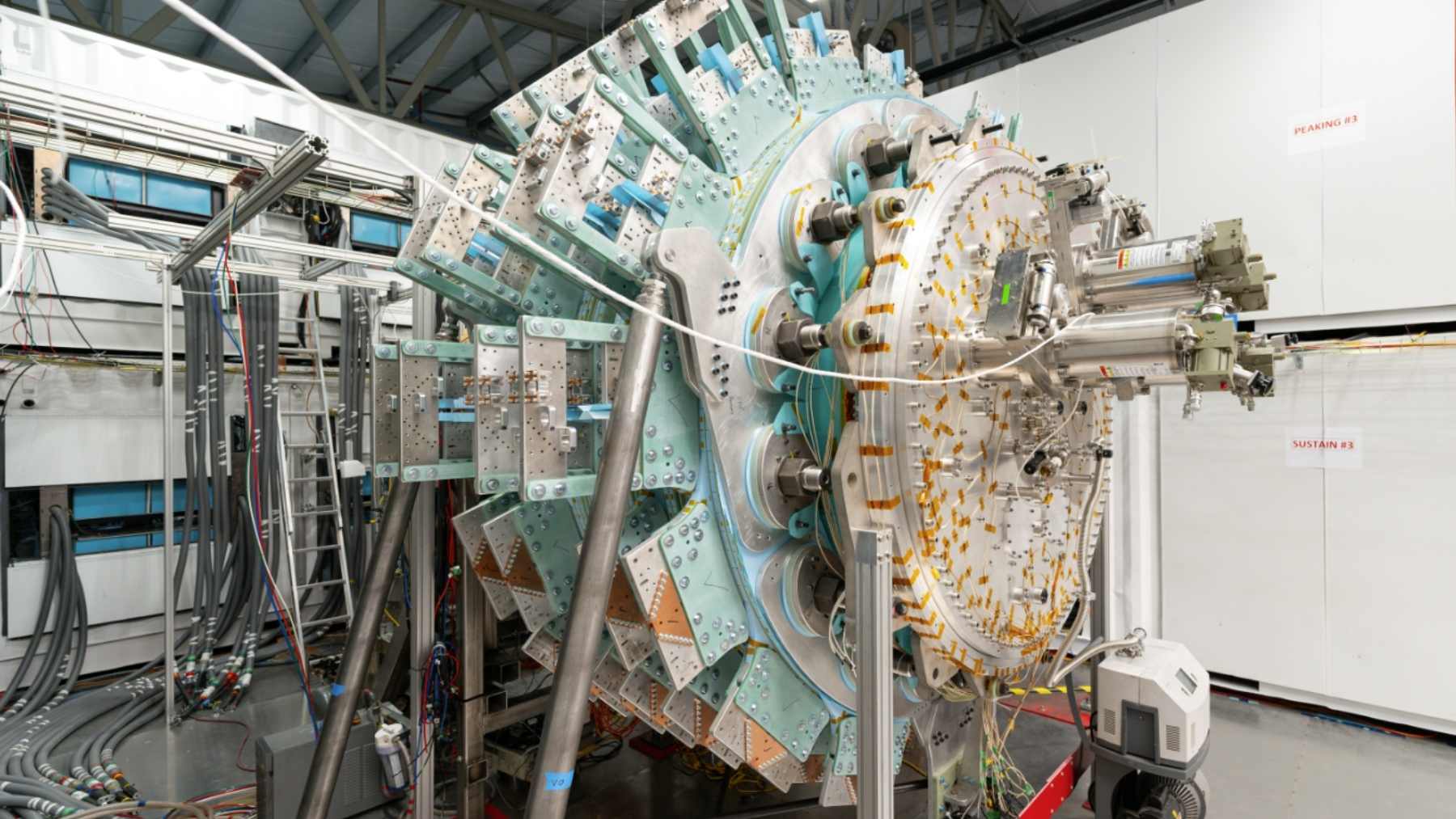
The 3,2 million solar panels project marks the beginning of the UAE’s clean energy strategy, while the UAE continues to look at other renewable energy projects as well, including that of the strange wind farm spotted in the UAE. Looking towards offshore wind farms and nuclear energy generation initiatives too, the country is certainly diversifying how the Emirates generate and gain electricity.
The UAE is working towards its Energy Strategy 2050
The success of the Noor Abu Dhabi power plant does show that the country is well on its way to reduce its carbon footprint. With 3,2 million solar panels that generate about 1,200 MWh of energy capacity, credit ought to be given for the UAE’s long-term energy security. In alignment with the UAE’s Energy Strategy 2050, Dubai also covered its desert with a photovoltaic UFO.
Disclaimer: Our coverage of events affecting companies is purely informative and descriptive. Under no circumstances does it seek to promote an opinion or create a trend, nor can it be taken as investment advice or a recommendation of any kind.