DAPL has made many people focus on fossil fuels; more specifically, Indigenous people stand against this pipeline, projecting it as being anti-environmental and anti-social. Indeed, for the Standing Rock Sioux Tribe, the called-for stakes could not be higher. This thousand-year-old Indigenous people are now in a survival threat as their water, land, and cultural resources are at risk as long as the pipeline exists.
This is why the Dakota Access Pipeline has been such a hot issue of concern across the country
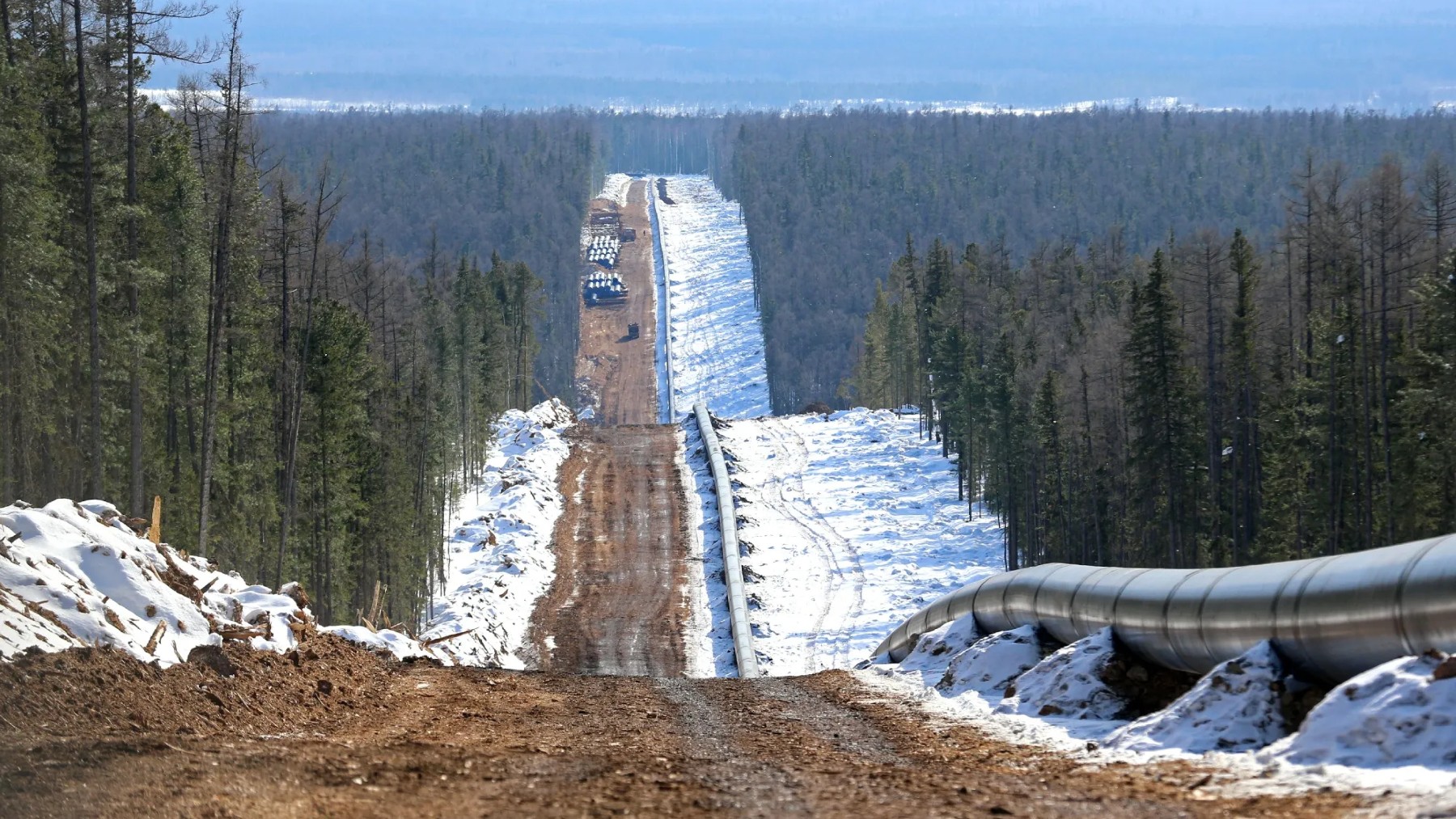
Dakota Access Pipeline is an initial pipeline that is 1,172 miles long and designed to transport crude oil from North Dakota from the Bakken region to other locations in Illinois. DAPL has been in service since 2017 and transports 750,000 barrels of oil daily. It aims to increase its throughput to 1.1 million barrels.
In particular, the most controversial segment passes through the territory of the Standing Rock Sioux Tribe under Lake Oahe, which is an important water supply. In this section, a spill or leak occurs, which means that the water you are using to improve the health and economic base of the tribe will also be infected. This region provides many spiritual sites for Indigenous peoples, therefore raising conflicts with pipeline construction contractors.
Protests at Standing Rock: That is the story of how a tribe sparked the largest movement in the world of business.
The Standing Rock Sioux Tribe has been fighting against DAPL since the company wanted to build the pipeline at the Standing Rock Sioux Indian Reservation with the Army Corps permit in 2016. It is not just the issue of ecological interest that is of precedence with the tribe; they consider the pipeline as a direct intrusion on their sovereignty and treaty rights.
The external environment challenges and why that pipeline is everyone; concern
What happened in this conflict The Standing Rock protest was a movement that attracted thousands of activists, Indigenous leaders, and other sympathizers for the pipeline. These efforts raised awareness about the conditions in which the tribe lived, achieving endorsement from stars and political leaders across the country. After the pipeline construction, the tribe has not ceased to seek the legal redress it deems necessary.
However, as the opponents of the DAPL can see, while the Standing Rock Sioux tribe suffers the immediate impacts of the pipeline, the danger it poses is not just limited to North Dakota. Oil pipelines such as DAPL play an instrumental role in the emission of greenhouse gases by facilitating the extraction and transportation of fossil fuels. There are also pending expansions of DAPL, which raises its climate impacts and risks to ecosystems and the communities in the area.
Oil spills are one of the severities the world must constantly face. Keystone Pipeline is another questionable project that only released 8,000 gallons of oil in 2017. This is because a comparable disaster along the DAPL route plan would be destructive not only to Stand Rock Tribe but also to ecosystems and other communities along the Missouri River downstream.
The Standing Rock fight: What it is, however, tells about the Indigenous peoples’ sovereignty over America today
DAPL is an environmental issue and a powerful tale of combating Indigenous sovereignty. The resistance against the pipeline that the Standing Rock Sioux Tribe embodies is a defense against counter actions and erosion of their rights for control of lands, culture, and existence from industries and supported by governmental institutions.
The Dakota Access Pipeline is certainly a project that’s harmful to the Standing Rock Sioux tribe, the environment, and what America stands for. This speaks volumes of the timeliness of real structural transformation, particularly regarding how potential infrastructural projects are appraised as much as it does with how Indigenous peoples’ sovereignty is recognized.