A unique celestial spectacle of a partial solar eclipse will appear across North America on March 29. A partial solar eclipse will treat early morning observers at sunrise. This article covers all essential details about this extraordinary event alongside tips for getting the most out of it.
The science behind this rare sunrise solar eclipse
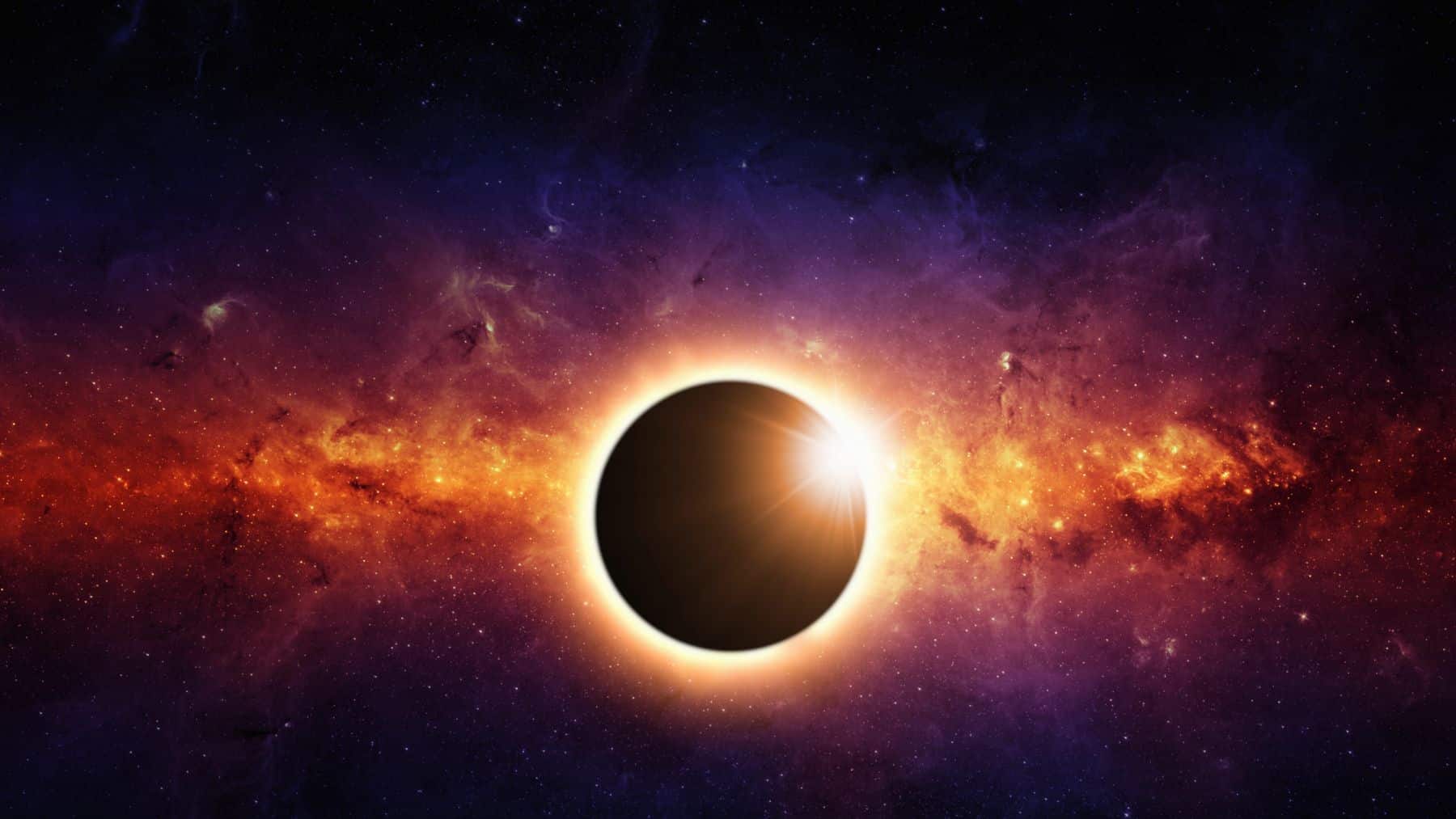
The Earth witnesses a sunrise solar eclipse whenever the moon travels between itself and the sun to block part of the sunlight during sunrises. At this time, the beauty of dawn merges seamlessly with the incredible view of the solar eclipse for a special dual observation. North American citizens will have the chance to see this unique event when it appears on March 29th.
The total sunrise solar eclipse will become visible while it passes through the northeastern United States, eastern Canada, Greenland, Iceland, Europe, Northwest Africa and northwestern Russia. Residents of the Eastern Time Zone in the United States can best witness the phenomenon between Maine and northern North Carolina and western parts of Buffalo near New York.
Onlookers must know the most favourable locations and specific moments to witness the eclipse.
Local time will determine when the eclipse begins at 6:15 a.m. following sunrise. During the maximum eclipse in northern Maine, the sun will be 86% obscured by the moon following sunrise. Boston’s northeastern region holds its maximum of 57%, while New York City faces only 27% solar obscuration.
The best observing position requires open space with the east-northeast section of the sky in view. Observe the sun during its sunrise because it will already be in the eclipse position. People in the southern part of the Eastern Seaboard will observe a diminished degree of eclipse coverage. The sun in Washington D.C. will show a sun coverage of just 3%.
The upcoming eclipse provides special benefits to photographers together with sky observers
During this eclipse, photographers and observers can find distinct options for conducting their activities. Sunrise presents photographers with extraordinary visual opportunities because of the sun’s low position in the sky. The area near the horizon causes the sun to appear flat, while mirages and other atmospheric disturbances enhance the visual delight. Participants who stand by large lakes or ocean waters will obtain the most favourable conditions for these observations.
The slight coverage of the sun during the eclipse produces an uncommon atmosphere next to the moon’s surface. The regions with substantial sun covering will experience daylight with a characteristic thin or Mars-like quality. Those who watch this phenomenon experience a hauntingly appealing feeling.
Protection during this eclipse requires you to avoid eye injuries at all times
People should watch the eclipse safely because the view remains spectacular, although safety precautions remain essential. You should never stare at the sun without protective eye gear since this practice leads to dangerous harm to your eyes. Proper eye protection comes from using an unbroken solar filter as a shield. Photograph the eclipse using a DSLR or mirrorless camera with a solar filter, but refrain from monitoring the viewfinder.
The sun becomes visible for a limited time after sunrise because atmospheric refraction dims the sunlight, which makes filter-free Photography possible. The sunrise must have reached a safe height before you remove the filter since it will become dangerous with greater sunlight exposure.
On March 29th, North American sky watchers have an exclusive chance to witness the beautiful solar eclipse during sunrise. The upcoming eclipse presents an opportunity that all stargazers should take advantage of, no matter their level of experience. You can experience this historic cosmic dance by setting an early alarm and getting to a great viewing point to watch the sun and moon perform in the way people have been mesmerized since ancient times.