Renewable energy has just opened a new chapter thanks to a proposal that will dominate the seas as the Greek gods once did. Far from metaphors or literary comparisons, we want to show you a wind turbine that is disturbing just by looking at it. It is as big as the Eiffel Tower and will produce more energy than a complete wind farm.
A glimpse of the “monster” that dominates the seas and is capable of generating energy with the wind
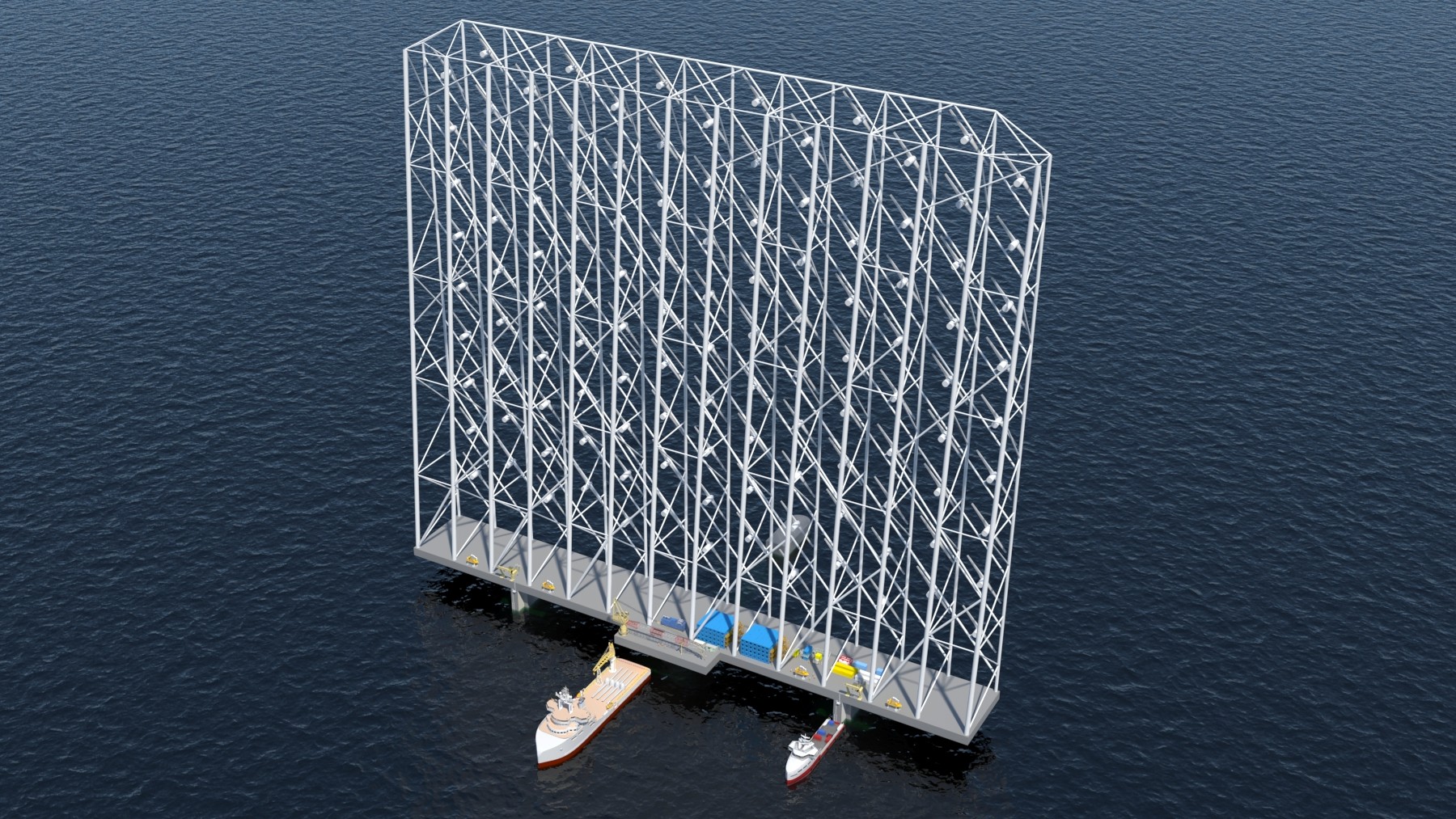
The WindCatcher is an extremely tall sea renewable energy device that one cannot ignore when standing on the surface. It’s an eerie-looking wooden creature seemingly rising out of the ocean. ´
With the height of 650 feet, it decidedly dominates and is 200 feet higher than the Eiffel Tower in Paris. There is the triangular platform, which is sustained by a bottom part made of a large amount of wood, which is attached to the seabed.
With this 3-legs of stability, a hollow trunk with wooden trunk springs out of the ground and rises up to a height of about 1000 feet. The trunk has holes and openings, which serve as wind passage.
How does WindCatcher work? A look at the wind turbine that measures as much as the Eiffel Tower
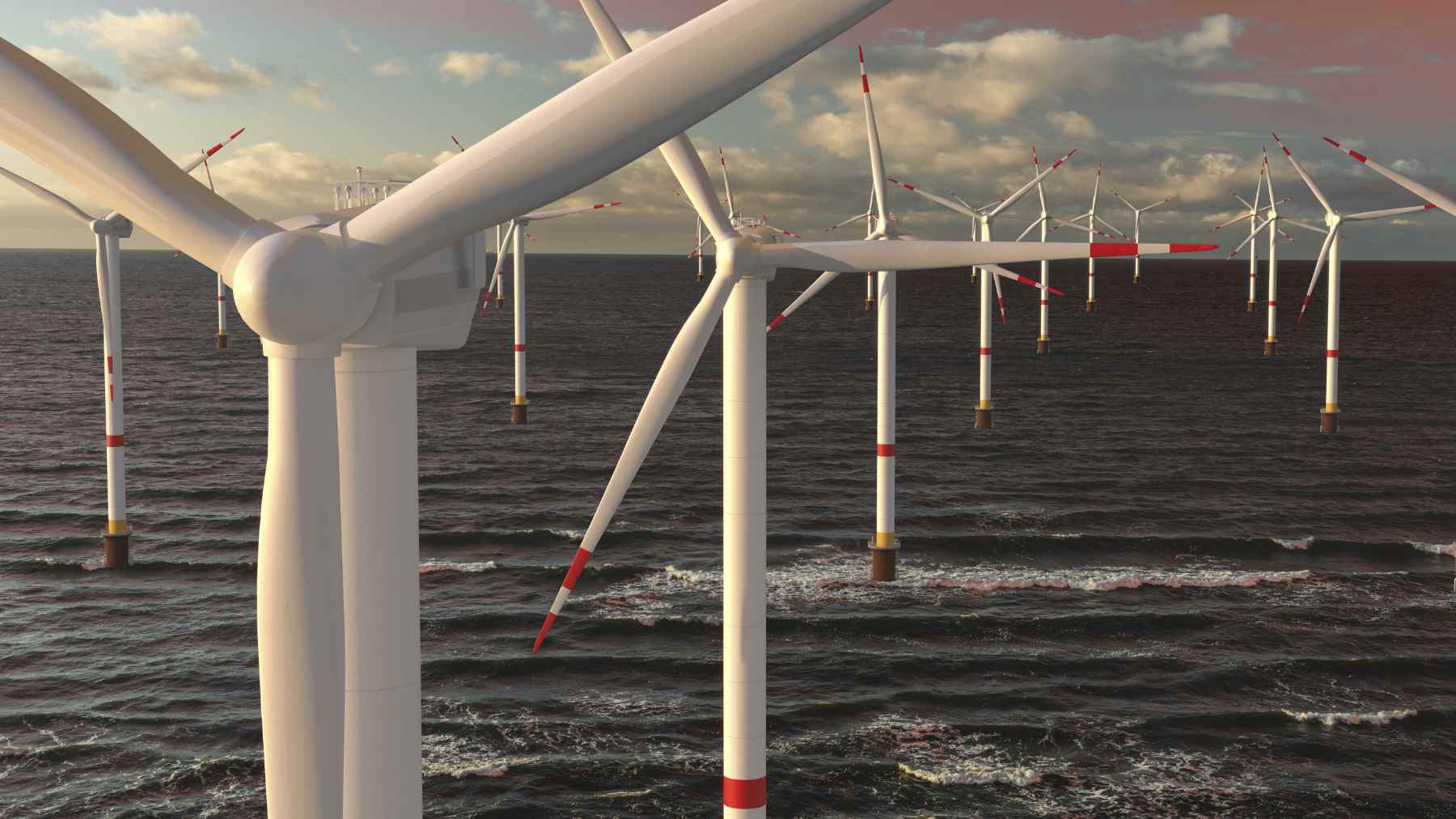
The WindCatcher deploys state-of-the-art wind power turbines that have undergone specialized offshore technology development. Even at the core of the system there are a number of wind turbines, each one has a horizontal axis mounted on a platform that is balanced on all sides ensuring the safety of the system.
These units have a three-blade fan part which spins as the breeze blows towards them. Simply the rotor blades turning at thousands of revolutions per minute at the blades, driven by the Bernoulli principle which is the pressure created by the air in motion, this is the one responsible to driving the internal drive shaft connected to the generator.
Electricity is produced from mechanical rotational energy by using strong and purpose-built generators with permanent magnetic fields. Increasing control systems and sensors are in place at the turbines enabling them to orient themselves into the wind optimally holding power output at the maximum.
A platform seen from space and other details of this sea “monster”
The balancing points of the sail are located on a floating platform that provides stability and holds the structure upright in the open ocean. This is a mega foundation made of iron or concrete and shaped like a huge, inverted V.
At the point of intersection of the two edges of V is the Windcatcher tower base but the concave arms provide the stiffeners and the turbines. The platform will be secured through chains of long moorings and soil weighted with drag embedment anchors to counter the crashing waves.
Bearing in mind the floating type of Windcatcher it may be placed far offshore, far from anyone’s view and nature. It is quite fascinating that the ocean waves, beside their original purpose of generating power for the turbine, also play an auxiliary role in creating extra power for it.
It will need to be able to cope with the severity of marine conditions, such as high waves, corrosion from sea water, and storms. The reacting float system uses complicated force and water control systems, and balance tanks is a necessity as water is shifted.
At this point, a question inevitably arises: how could we use this generator to advance renewable energy without degrading the seas? The truth is that we are doing little to counteract the acoustic and environmental impact on aquatic ecosystems. However, it is also obvious that the land surface is insufficient for these means.