This week, the following is an excellent financial update for some retiree and beneficiary categories in the United States. SSA has scheduled two central Direct Deposit payments for several beneficiaries to ease their financial burdens. These payments are expected to be made within some time, including retirement social security and SSI, which will help keep many individuals financially afloat. The deposit payments received on time assist millions of Americans to meet their bills and expenses due to the rising cost of living. These are two different types of deposits, some of the evidence of the SSA’s focus on providing for retirees and every other low-income wage earner in the United States, and it shows us that the idea of social support is not always strictly binary in the United States.
Here’s why retirement benefits are being paid under the Social Security scheme this month
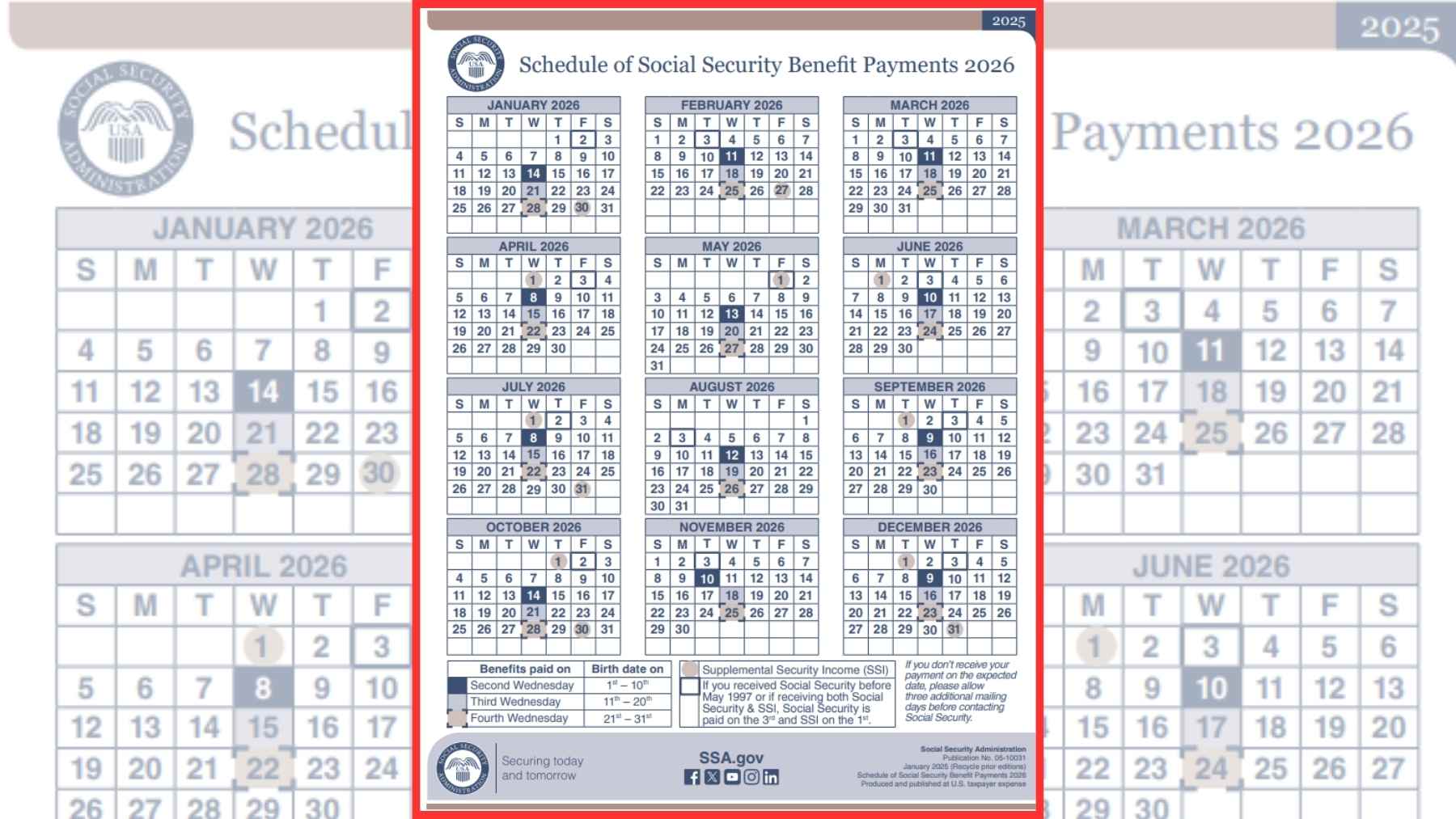
The first refunding takes place in the second full year of revenue collection, specifically on August 28, 2024, targeting a specific sub-sample of Social Security retirement benefits recipients. To be eligible for this payment, one has to meet some factors, which include being born between the 21st and 31st of any month and starting to collect benefits after April 30, 1997.
This amount can vary greatly. The maximum payment to the specific retiree can reach $2,710, while the mean payment to workers of this age for July 2024 is $1,919. However, it should be noted that this money is not for the SSI program or individuals who received the August Social Security money.
Here’s how the determinants of the amount paid under Social Security affect retirees
The amount of Social Security that retirees receive depends on several factors, the most important of which are work experience and the age chosen for retirement. Those retiring at 62 and qualifying to receive the maximum benefit of $2,710 must have worked for thirty-five years in activities under the Social Security program and have been paid at least the taxable maximum.
Yet, it is emphasized that if an individual files for benefits at 62, they will receive only 70-80% of ACTUAL if they have waited until retirement. On the other hand, deferring retirement can lead to higher monthly benefits by about 24%. The SSA differentiates the amount to be paid by using the average amount equal to 35 years a person was most productive in their salaries.
Why there’s an additional deposit payments increase for persons with the disorder this month
The subsequent payment entering this week is the SSI and will be released on August 30, 2024. This payment is for the disorder persons, visionless people or recipients who are at least 65 years old and have low income. It further provided that the average SSI payment is $695, with a maximum of $943 for an individual.
Unlike the retirement benefit under the SSA, SSI is likely to be awarded to individuals with low income rather than those with a record of their working career. This payment is made a day earlier than usual because September 1 falls on a Sunday to ensure the SSA delivers the benefits millions of people need on time.
Therefore, the two checks received this week from the Social Security Administration demonstrate that social insurance in the United States is complex and that several forms of entrepreneurial retirement and fragile help exist. While the Social Security retirement benefit provides incentives to continue working for an extensive period or to time the benefits correctly, the SSI program ensures that everyone with little income and resources is not left out.
However, retirees and beneficiaries need to understand eligibility qualifications and benefit rates. Such direct payments are not only an immediate financial help but also indicate to millions of Americans the continued importance of social security programs for those who may become retired or face other difficult times.
Economic conditions are constantly changing; therefore, it is helpful for all beneficiaries to acquaint themselves with these benefits and any other changes that may be implemented, such as changes in the frequency or amount of cash paid.