Worst news for drivers in this state: Roads will be full of traffic enforcement cameras

Image Autor
Published On: January 5, 2025 at 11:50 AM
Follow Us
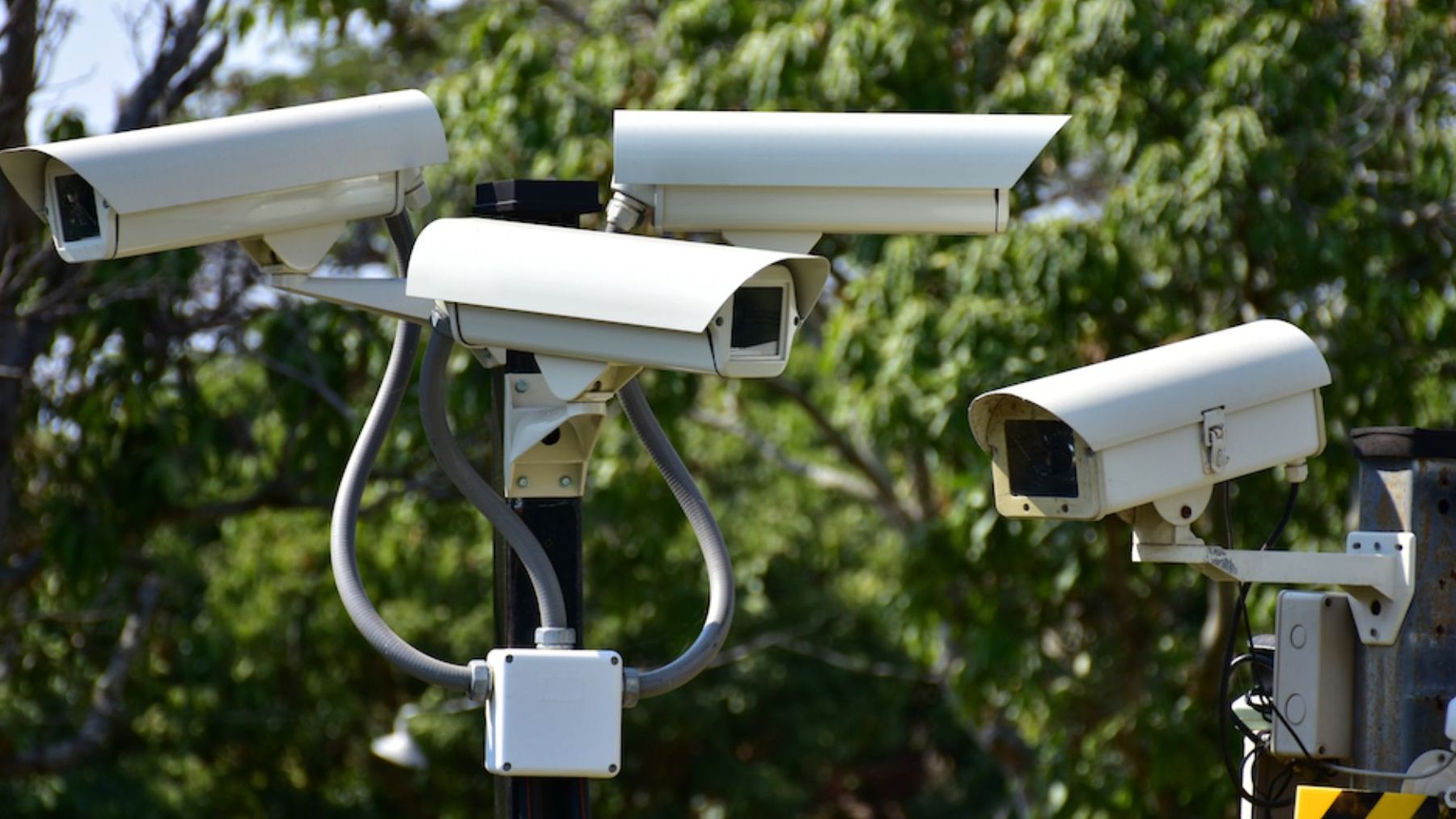
Traffic enforcement cameras

Connecticut is gearing up for a significant step toward enhancing road safety with the launch of the state’s first municipally-operated speed and red light camera programs in 2025. This new initiative aims to reduce traffic violations and improve safety across local communities by using technology to monitor and enforce traffic laws. The introduction of these programs is expected to help curb speeding and prevent accidents at high-risk intersections, offering a modern approach to traffic enforcement.

Connecticut joins other states with their traffic enforcement cameras

New York City boasts one of the largest automated enforcement programs in the country, featuring over 2,000 speed cameras, including numerous mobile units, along with red light cameras positioned at 150 intersections. The program has been growing over three decades, with a general trend upon instillation of an uptake in tickets for speeding before slowly declining as drivers adjust to the stricter traffic regulations. City officials report that the cameras have been responsible for a roughly 70% reduction in violations, with some high-risk roads experiencing even greater decreases.

That little flash that goes off on top, that is saying to those who are speeding, ‘You’re caught, you will be deterred from doing it again,’” Mayor Eric Adams said, describing the camera’s operation during a 2022 New York press conference.

Various studies have demonstrated that speed cameras are particularly effective in encouraging drivers to slow down and reducing crash-related injuries. However, critics contend that many municipalities tend to use automated enforcement more as a revenue-generating tool than as a means to enhance public safety.

Connecticut’s pilot program a success for public safety

Connecticut’s initial experience with automated enforcement began in 2023 when the state Department of Transportation launched a one-year pilot program aimed at identifying drivers exceeding speed limits in highway work zones. The pilot led to over 700 fines of at least $75 being issued, alongside nearly 25,000 warnings for first-time offenders. Officials noted that the program contributed to a decrease in speeding within the affected work zones, with the reduction in speeding continuing even after the enforcement was removed. Thus, the Department of Transportation made the decision to enforce the program permanently from 2025.

“We’re very interested in studying how effective these [cameras] are, and interested in studying what are some of the either unintended consequences or unintended impacts that this may occur,” Jackson said. “If you set up a red light camera in downtown New Haven, how do traffic patterns change as people try to avoid that traffic signal?”

Speeding continues to be a major concern

Speeding is not only a major contributor to traffic accidents and injuries but also directly impacts public safety and insurance costs. When drivers exceed speed limits, the risk of collisions increases, often resulting in more severe accidents with higher medical costs and property damage. This, in turn, puts a strain on public resources, such as emergency services and healthcare while also contributing to more hazardous road conditions for all drivers.

When drivers ignore speed limits, they reduce their ability to react quickly in emergency situations, increasing the chances of accidents and fatalities. From a public safety standpoint, this translates to more emergency response calls, hospital visits, and long-term care for victims, putting additional strain on healthcare systems and emergency services.

Beyond the immediate safety concerns, the financial implications of speeding are far-reaching. Higher accident rates lead to an increase in insurance claims, driving up premiums for drivers and making it more expensive for individuals to maintain coverage. In regions with frequent speeding violations, insurance companies may raise rates for all drivers, regardless of individual driving records. Conversely, initiatives to reduce speeding can result in fewer accidents, leading to lower overall insurance premiums and a safer, more efficient road system for everyone.