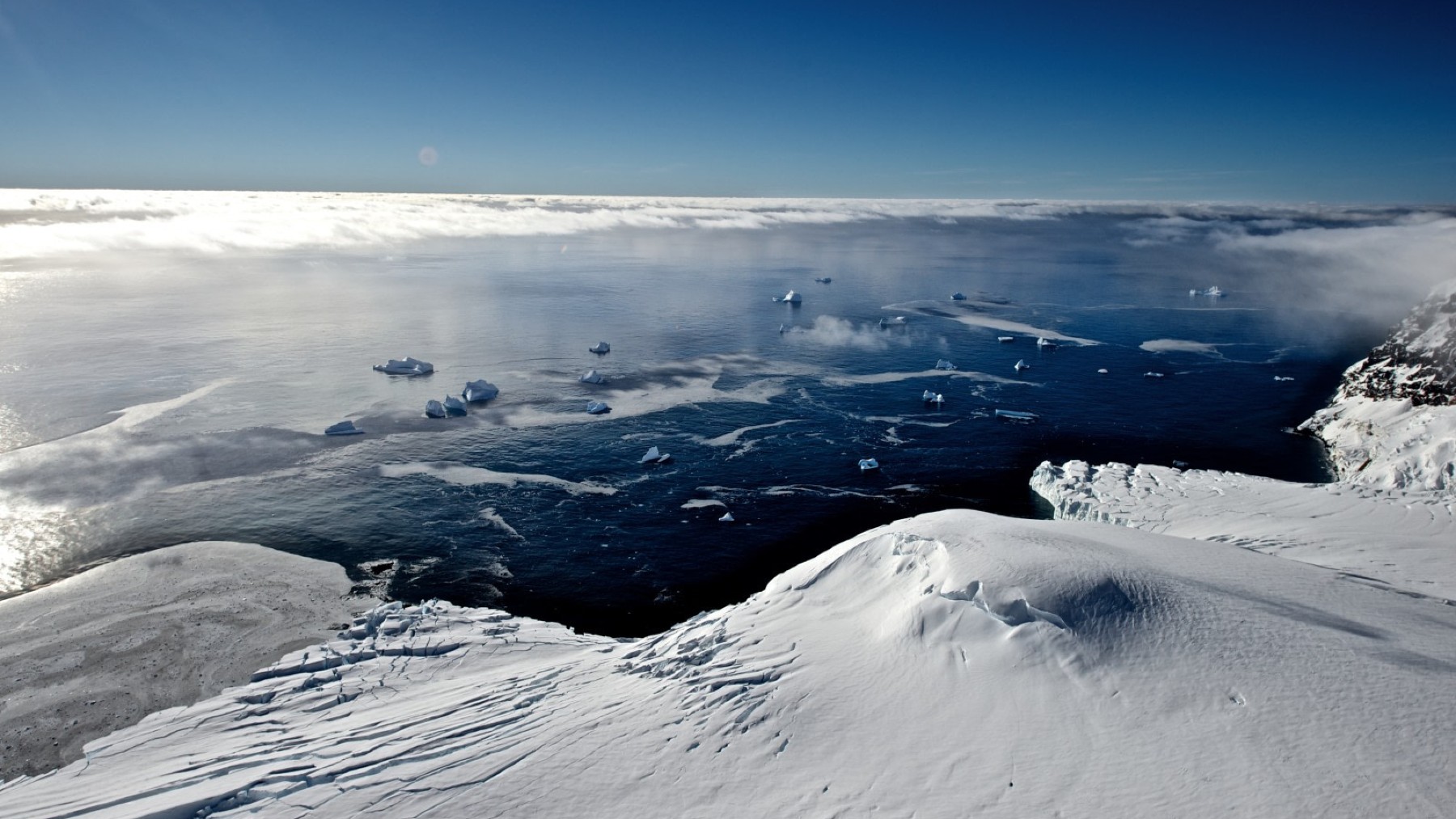
Media of Antarctica has depicted the place as an unexplored territory despite numerous international interdictions and dedication to science. However, recent discoveries reveal this cold wasteland may turn into a hotbed for global political and ecological conflict in the next few years. It is said that Russia has found huge oil deposits under the Antarctic Ocean, which has raised concerns across the world on the issue of resource imperialism, hegemonic environmental destruction, and distribution of power in world politics.
Environmental risks and global dilemmas: Is exploitation worthwhile?
The discovery supported by the Russian Alexander Karpinsky research vessel has revealed vast oil deposits that are as large as 511 billion barrels of oil, which is equivalent to 10 times the North Sea production in the last fifty years. This discovery, made in the British Antarctic Territory, has caused debates regarding the reality of international treaties to counteract emerging aspirations of the unexplored resources.
Antarctica, one of the most vulnerable natural environments on the planet, will become susceptible to various dangers if oil drilling is initiated. Such actions may interfere with wildlife in the area, increase climate change, and cause definite harm to its beautiful scenery. The Antarctic Treaty of 1959 has been designed to protect this area of the world where peace and a desire to know more about the universe usurps the desire for commercial gain.
Geopolitical implications: This could create a cold war next to the sharing of Antarctic resources.
Nevertheless, the only problem is that the economic gain resulting from the exploitation of such reserves may force countries to change or ignore the treaty provisions. According to environmentalists, there is a clear danger of ensuing terrible consequences if Antarctica is made accessible for exploitation, notwithstanding the possible short-term benefits. The ethical dilemma still lies: should people endanger the possibility of ecology in return for the dreams of petroleum wealth?
Russia’s find is not an ecological issue but a region of intense geopolitical interest. The reserves are in the British Antarctic Territory, where Argentina and Chile have territorial claims. Russia will aggravate relations, and questions may appear concerning the property and the right of seizure.
This development could shift the balance of power in the world. If Russia makes full use of such resources, it will reshape markets so that it can pose a threat to energy majors such as the U.S. and OPEC. Furthermore, other countries may have similar objectives, threatening the stability of the Antarctic Treaty. The discovery raises serious questions about territorial conflicts and relations among different nations.
The road ahead: In what ways can international cooperation ensure Antarctica’s future?
The world faces a pivotal moment: will it continue to serve as the international sign of unity and natural conservation just as it has been over the past decades, or is it destined to become the victim of the so-called resources rush? Intensification of the Antarctic Treaty and the focus on renewable resources can be mentioned as the actions leading to declining fossil fuel usage.
It shows that large deposits of resources not only in South America but the world over have brought about the realization of the proper balance between innovation and conservation. Societies have to accept shortcomings associated with the utilization of fossil fuels; on the other hand, they should think about cooperation to safeguard endangered areas. This discovery must remind humanity that it is possible to choose between short-term gains, on the one hand, and the sustainable management of the necessary resources, on the other.
Not only does Russia announce an incredible find of oil in Antarctica, but it is also making a scientific breakthrough—that could be a challenge to what we regard as the priorities of human civilization. Will countries be driven by the desire for profits or return to their words to protect one of the few remaining guaranteed unspoiled territories on the planet? Today’s decisions will shape Antarctica’s future and humanity’s relations with the globe, international relations, and environmentalism.