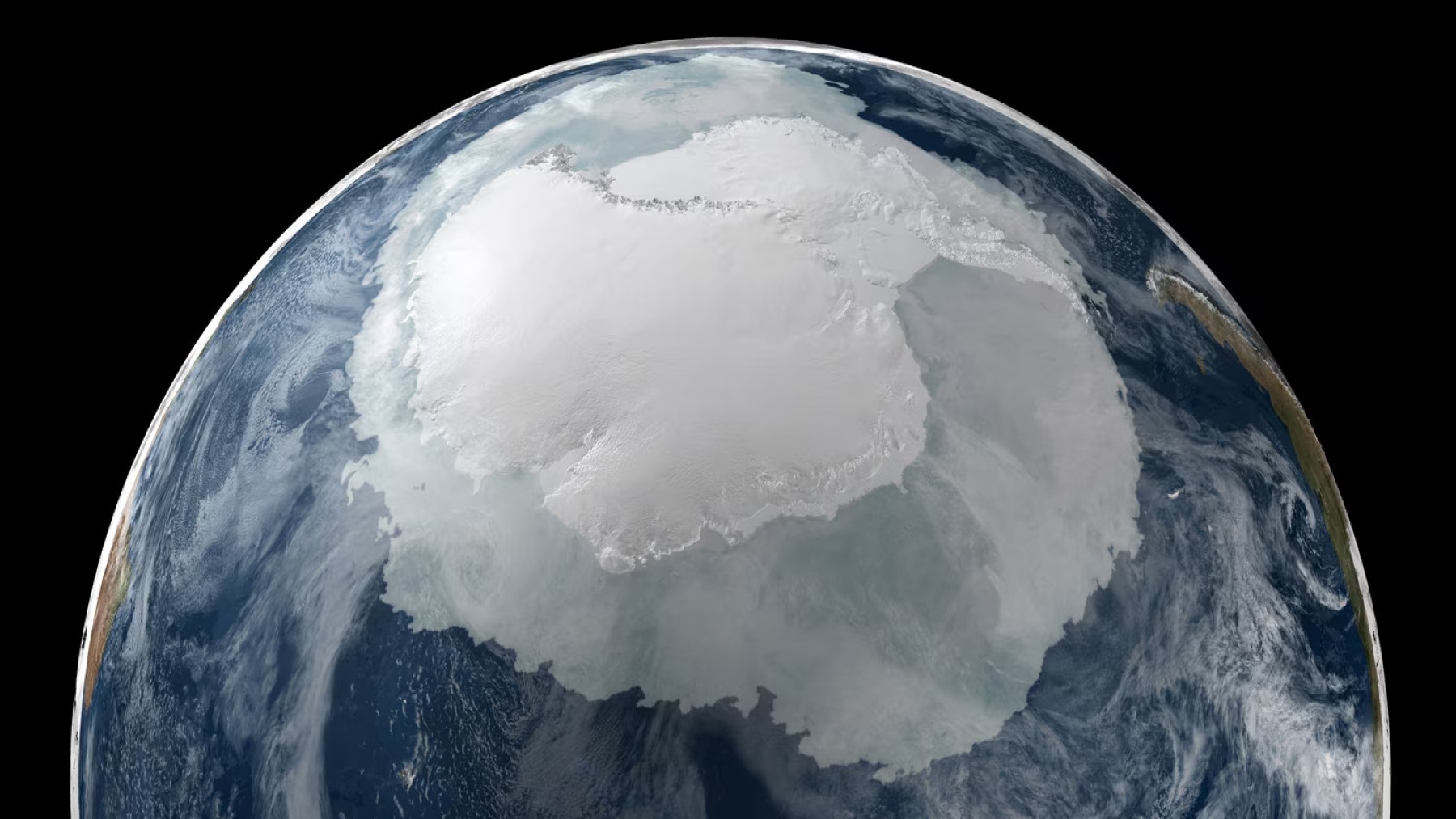
Recently, Russian scientists claimed that the universe’s largest oil and gas reserves were discovered in the British Antarctic Territory. This discovery has significantly impacted geopolitics, the planet scene, the environment, and the future use of energy sources. Here is a breakdown of the details of the discovery, its implications, and the uproar surrounding it.
Unveiling the largest reserves: Of that, 511 billion barrels of oil identified
The Russian research ship Alexander Karpinsky made the find after conducting a series of studies in the area. Based on the reserves, the oil is believed to be over 511 billion barrels, which implies more than the North Sea’s production for fifty years. This find makes the British Antarctic Territory a prospective energy powerhouse that will likely alter the global dynamics of oil.
The find has raised a political conflict, as the British Antarctic Territory is involved in disputes over Argentina and Chile’s territorial reach. Chile’s discovery of hydrocarbon resources could deepen these territorial claims and increase country tension, which is an added twist since it disrupts the existing geopolitical structural relationships in the region.
The 1959 Antarctic Treaty established the principle of not allowing oil development in Antarctica, intended to maintain the continent as a place of peace and science. The treaty’s primary objective is to ensure that the region does not become an operational theatre of international conflict. However, discovering the enormous resources raised questions about the treaty’s fate and the feasibility of enabling hydrocarbon prospecting.
Utilization of these reserves would undoubtedly take its toll on the environment. The continents, specifically Antarctica, are one of the biologically sensitive locations where oil drilling could cause irreversible harm. Environmentalists have pointed out that attention should be given to conserving this unique landscape and not having a raw on it for economic benefits. Oil spills and other problems may also lead to a severely adverse effect on the ecological setting of the region.
Russia’s strategic motives: Russian or an elaborate conspiracy theory?
Russia tends to defend itself in specific areas that are purely scientific. Nevertheless, this contradicts what other geopolitical professionals, such as Klaus Dodds of the Royal Holloway University, say: seismic surveys are an initial step towards exploiting resources. Russia has used scientific missions for ulterior motives in the past, thus raising suspicion about its intentions in Antarctica.
The world has responded in two ways: international organizations have expressed concern but are also skeptics. The British Foreign, Commonwealth, and Development Office has cited Russia as saying that its activities posed no threat to other nations, and the Antarctic Treaty Consultative Meeting has said the same. However, the magnitude of the find and the potential for increased revenue makes it almost impossible not to consider the idea that it can eventually be exploited.
When oil resources of this magnitude are found, the international economy can dramatically change. If fully utilized, these reserves can lower world oil prices, affect energy markets, and change the trend of oil trade in global markets. This may benefit many countries that rely on imported oil but will also negatively impact many of the world’s largest oil-exporting countries.
Argentina’s opportunity: Will it help Argentina climb up the emerging energy market?
Should Argentina become involved in this, it could be a real shot in the arm for Argentina’s economy. The availability of these reserves will place Argentina among the most productive oil-producing countries, improving its economic results and increasing its geopolitical standing. But this type of growth comes with negative effects such as pollution of the environment and the more difficult question, as a province, of managing other international actors.
Of interest is the fact that latest discovery by Russia of the largest reserves of oil and gas in the British Antarctic Territory. They can provoke questions that are crucial for understanding how the environment is protected, possible geopolitical dangers, and changes in the sources of energy around the world. While the world continues to face these problems, the pressure has to be shifted to making sure that prosperity does not arrive packaged with the loss of one of the few areas that offer relatively pristine environments. The years to come shall reveal how this discovery leads to competition with the existing routes or collaboration on advancing this technology or propelling it to the next phase in the search for energy.