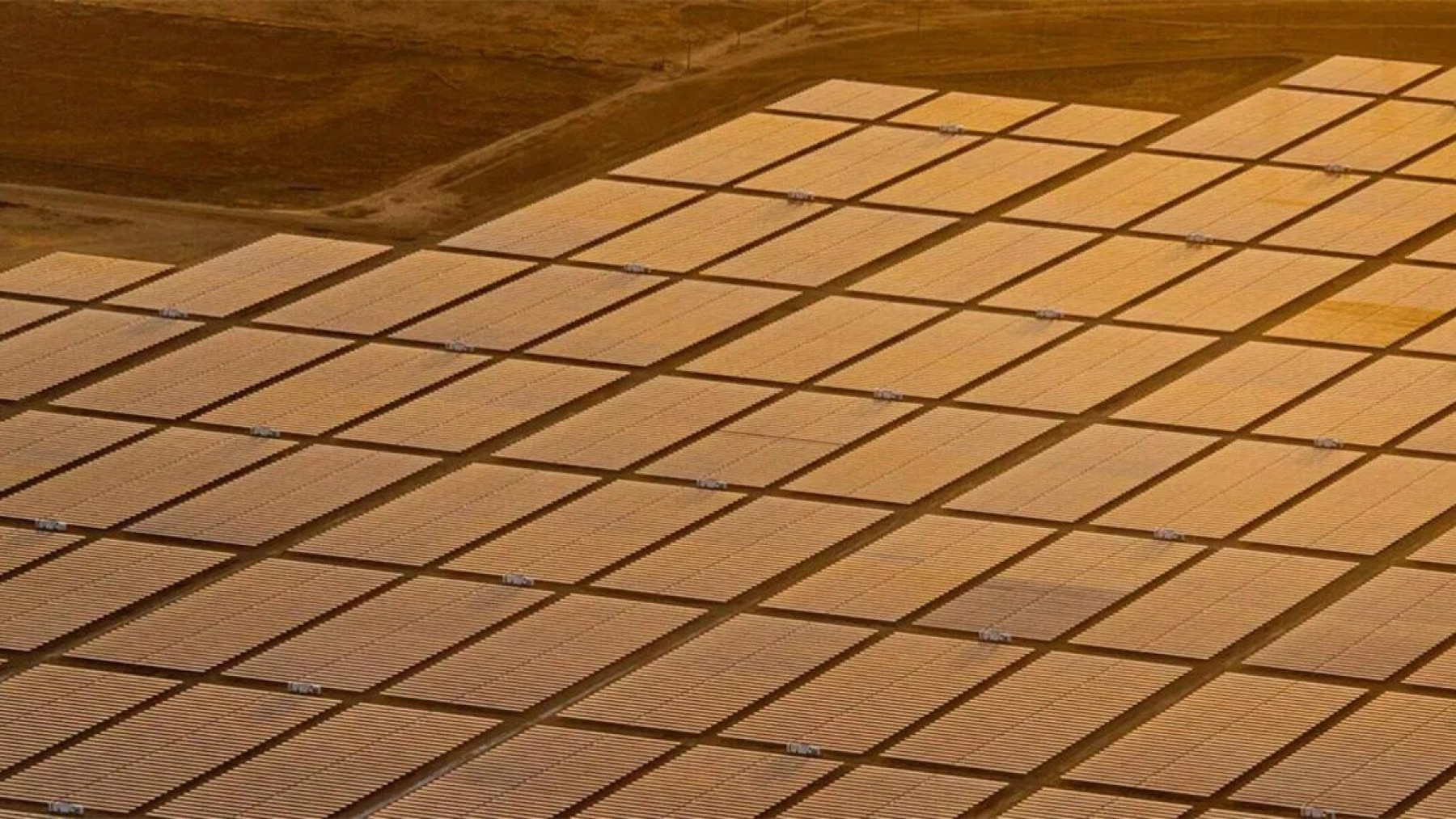
Some folks have proposed putting solar panels on the Sahara Desert to solve the world’s energy problem. Thus, the vast area covered by the desert and the high intensity of sunlight make it the most appropriate place to tap solar energy.
Although it looks like a very good idea at first glance, such a project’s environmental, logistics, and cost problems make it one of the most significant historical blunders.
The Illusion of a Perfect Energy Solution: Can the Sahara Solve the World’s Energy Crisis?
The Sahara Desert seems like an ample open space to generate electricity from solar energy due to the natural conditions. If solar panels were put on only 1.2% of the Sahara, they could produce enough energy for the entire world, a tempting idea for fulfilling the world’s need for renewable energy.
Finnish scientists have revealed that solar farms could power 69 percent of the global energy demand for net-zero emissions. On the surface, this makes a lot of sense and is a highly ambitious, logical way of dealing with the effects of climate change. However, the fact is that the execution of this plan would lead to negative consequences on the ecology, which are not acceptable.
Another primary concern if solar panels are placed on the Sahara is the changes the installation will cause to the climate. Solar panels, which are blacker than the sand of the desert, absorb much more heat. As helpful as this may be for power generation, the heat absorbed will raise the temperature of the desert by as much as 10 degrees in some places.
This dramatic temperature rise could impact neighboring areas, especially the Sahel, south of the Sahara Desert. Research indicates that higher temperatures might lead to changes like rainfall, and the area receiving little rain at the best of times might suffer from this.
In addition, climate change may trigger a cycle within systems other than the desert itself. Altered temperatures and precipitation might interfere with global atmospheric and oceanic circulation, continuing global warming, and intensification of climatic anomalies. This creates a situation in which the very fix to the emissions problem threatens the environment on a large scale.
The Financial and Logistical Nightmare: Why Sahara Solar Panels Would Cost Too Much
If one ignores all the ecological issues involved in creating and sustaining solar farms in the Sahara, then there is the problem of doing it in the first place. The large area of the desert means that it would take billions of these solar panels, and getting them to this location is practically impossible.
If panels are installed, then the maintenance would be a continuous task because of the desert climate, sandstorms, and, most of all, the site’s location in the middle of nowhere. Further, moving the electricity generated by these solar panels to other parts of the world is another challenge.
Transmission losses could be as high as 10 percent, and although high-voltage DC power lines could lower these losses further, they would be pretty costly. The energy loss and infrastructure costs would be very high, and the total cost would make the project economically non-feasible in the long run, eradicating this grand plan.
It would be practically impossible to lay solar panels over the whole of the Sahara Desert, and therefore, much more realistic and feasible to undertake smaller solar projects. Some countries are already moving in this direction.
For instance, the Noor Ouarzazate Solar Complex in Morocco, one of the largest complexes for harvesting solar power, shows how this power can be harnessed on a regional level. Small solar farms like this one can supply the energy needs of specific countries and regions without the difficulties of implementing a project on the scale of the entire Sahara desert.
The world would still be making massive improvements in the shift to renewable energy sources, even with local projects, instead of the risky endeavor of attempting to cover the Sahara Desert with solar panels. This approach also has the added advantage of greater flexibility and is a more feasible solution to the energy problem worldwide.
Why the Sahara Desert Solar Panel Idea Should Be Abandoned in Favor of Smarter Solutions
The concept of putting solar panels over the Sahara desert is instead an interesting thought experiment, but it is not practical due to environmental, practical, and economic problems. This project poses potential risks, interfering with the subtle balance of life in the desert and the enormous costs of constructing and maintaining such an infrastructure.
However, concentrating on more realistic and decentralized solar energy technologies is much more feasible. While the Sahara Desert is not a solution for the energy sources of the future, it can still contribute to the global shift to renewable energy sources – albeit in a different way than many people once imagined.