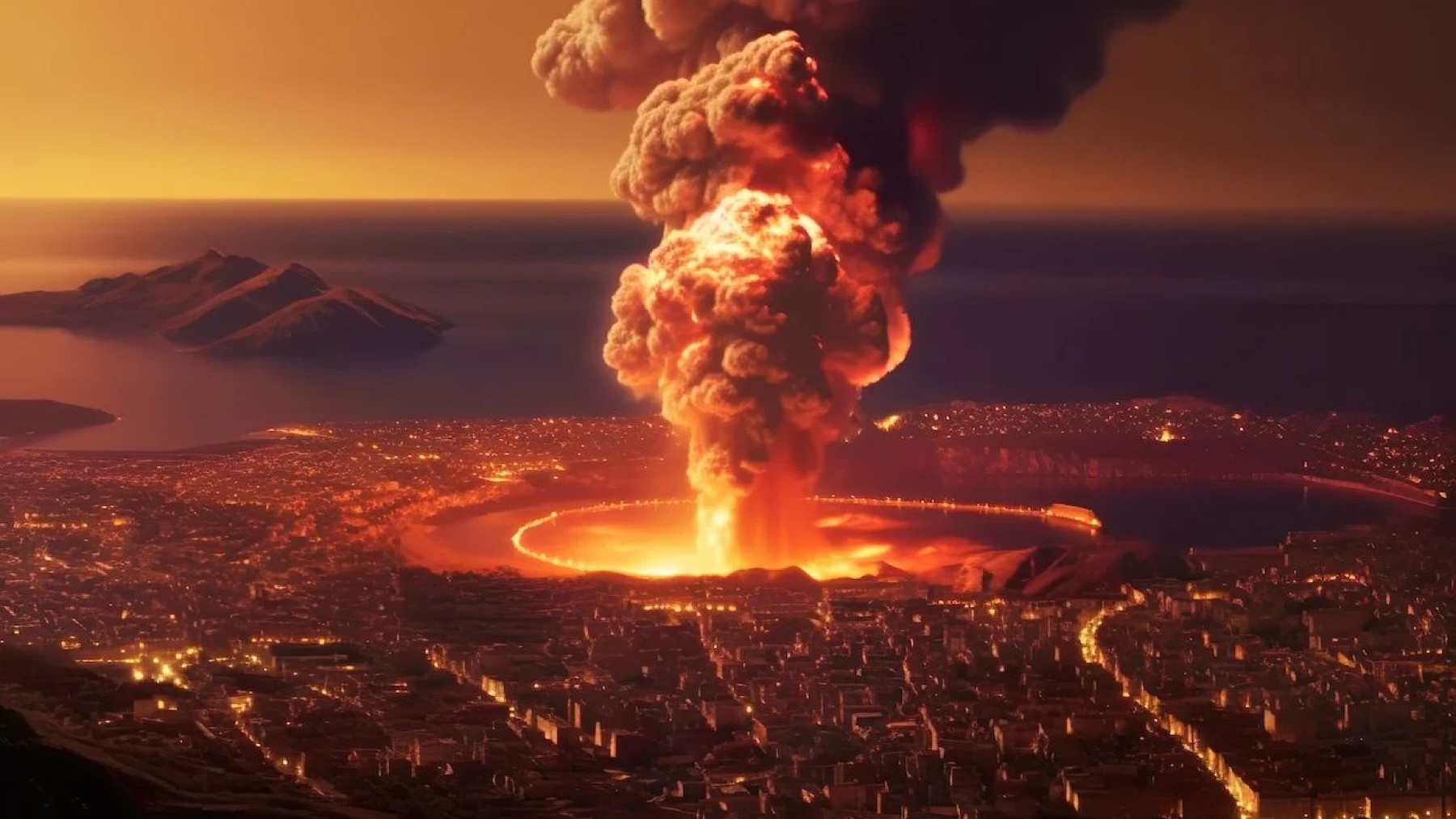
A scientific expedition is on the horizon that will carve into the actual lava pathways of a volcanic body in Iceland, where scientists will uncover reactions of the planet hidden for millions of years. The KMT project takes place in the Northeast of Iceland, where one of the world’s most influential and mysterious forces, the Krafla volcano’s magma chamber, can be visited and, what’s most important, drilled to generate geothermal energy.
This proposed quest is a bold, quarter-century endeavor that aims to enlist 125 specialists from 15 different countries with backgrounds in science, engineering, and technology, as well as education, with the ultimate goal of elucidating the dynamics of volcanic systems and possibly even transforming the global geothermal energy industry in the process.
This project aims to unlock the secrets of volcanoes and improve our ability to predict eruptions with unprecedented accuracy
The KMT project can be regarded as a significant advancement in volcanology because it will facilitate the observation of magma in its native state for the first time. Previous methods of monitoring volcanoes have been restricted to measuring changes on the surface, but this move will give a rare chance of viewing the internal activity of a volcano.
Through such an intrusive operation, the scientists intend to understand how volcanoes work, how magma behaves, and how it responds to the crust of the Earth. This direct connection to magma could significantly enhance the prospects of better predicting volcanic eruptions, which means more accurate magma prediction for communities inhabiting close to an active volcano daily and weekly. The knowledge gained from the project could help prevent many catastrophes due to improved early warning systems and evacuations for the regions affected by volcanic activities.
Revolutionizing geothermal energy production: harnessing magma’s intense heat for a clean and abundant power source
The KMT project has excellent potential in the future as it provides an opportunity to revolutionize the process of geothermal energy generation. The heat from magma is way higher than that of the surrounding rock. If utilized effectively, it presents a considerable source of heat that could be tapped to generate electricity.
Some previous encounters with magma during geothermal drilling have shown that harnessing this concentrated heat source is possible. The Krafla Power Plant, near the project location, has already used high-temperature steam from a well that accidentally hit magma.
The KMT project applies new technologies and materials to generate magma-based geothermal energy and become a prominent clean power source. It may contribute substantially to shifting towards renewable energy and away from nonrenewable energy sources.
Overcoming the technical challenges of drilling into active volcanoes: a collaborative effort across multiple disciplines
Consequently, drilling into an active volcano poses numerous technical problems that today’s engineers have not resolved. The conditions within magma chambers are much harsher than is allowed for by standard drilling equipment in terms of temperature and pressure.
Due to the extreme conditions expected to prevail during the KMT project, new methods and materials must be created that are capable of working in these environments. This drive for innovation leads to interdisciplinary cooperation across different scientific and engineering disciplines, which may lead to advances in areas that do not relate to volcanology and geothermal energy.
For this reason, long-term, internationally driven projects such as this one facilitate knowledge sharing and capacity enhancement with scientists and engineers across the globe, boosting the rates of progress in sister disciplines, including materials science, geology, and renewable energy.
Unlocking Earth’s ancient secrets: a groundbreaking project with far-reaching implications for science and humanity
Nevertheless, the Krafla Magma Testbed project appears to be a grand experiment of venturing into the unknown to unveil the mystery locked up in the Earth for millions of years. The fact that scientists are drilling into an active volcano is not only contributing to the knowledge about these natural disasters but also creating the basis for new types of renewable energy sources.
This is not to say that the possible contributions of this research are confined to volcanology and geothermal energy, as this has implications for disaster mitigation and novel technological advancement. This project may alter our understanding of the planet’s workings in the next quarter-century.
It may also offer invaluable information to help people adapt to global climate change and meet growing energy needs. The KMT project is an example of humanity’s advancements and curiosity in common with science, and there are seldom things that make me think there is no more world to discover.