The Social Security Administration (SSA) has recently outlined various changes in its programs that are planned for implementation starting September 2024. These changes, especially to the SSI program, are expected to bring changes to the base of SNAP beneficiaries, the level of SNAP payments, and the procedures for applying to many SNAP beneficiaries. These modifications have been both exciting and worrisome for recipients and the public.
This new household definition could increase SSI benefits for many by including more people
The SSA is in the process of making a significant change to the categorization of a public assistance household, which states that if an SSI claimant/recipient resides with one or more other individuals, then all are deemed to be a public assistance household if at least one other member in the household is a SNAP food stamps beneficiary. It is important because, before this change, every resident in the household had to enroll in public assistance to the household for one to be eligible.
The new definition could again see the number of beneficiaries and the amounts they receive rise. Moreover, the SSA will not presume that individuals in public assistance households derive support for subsistence from other members of the household who are eligible for public assistance. This change shall ensure that any support offered by members of the household shall not be deemed as income to reduce SSI payments or exclude people from benefits. The SSA is also revising how it assesses in-kind support and maintenance; food support from other non-entitlement sources or communities is no longer included in the benefit computation.
September 2024 payment schedule adjustments could affect your next Social Security check
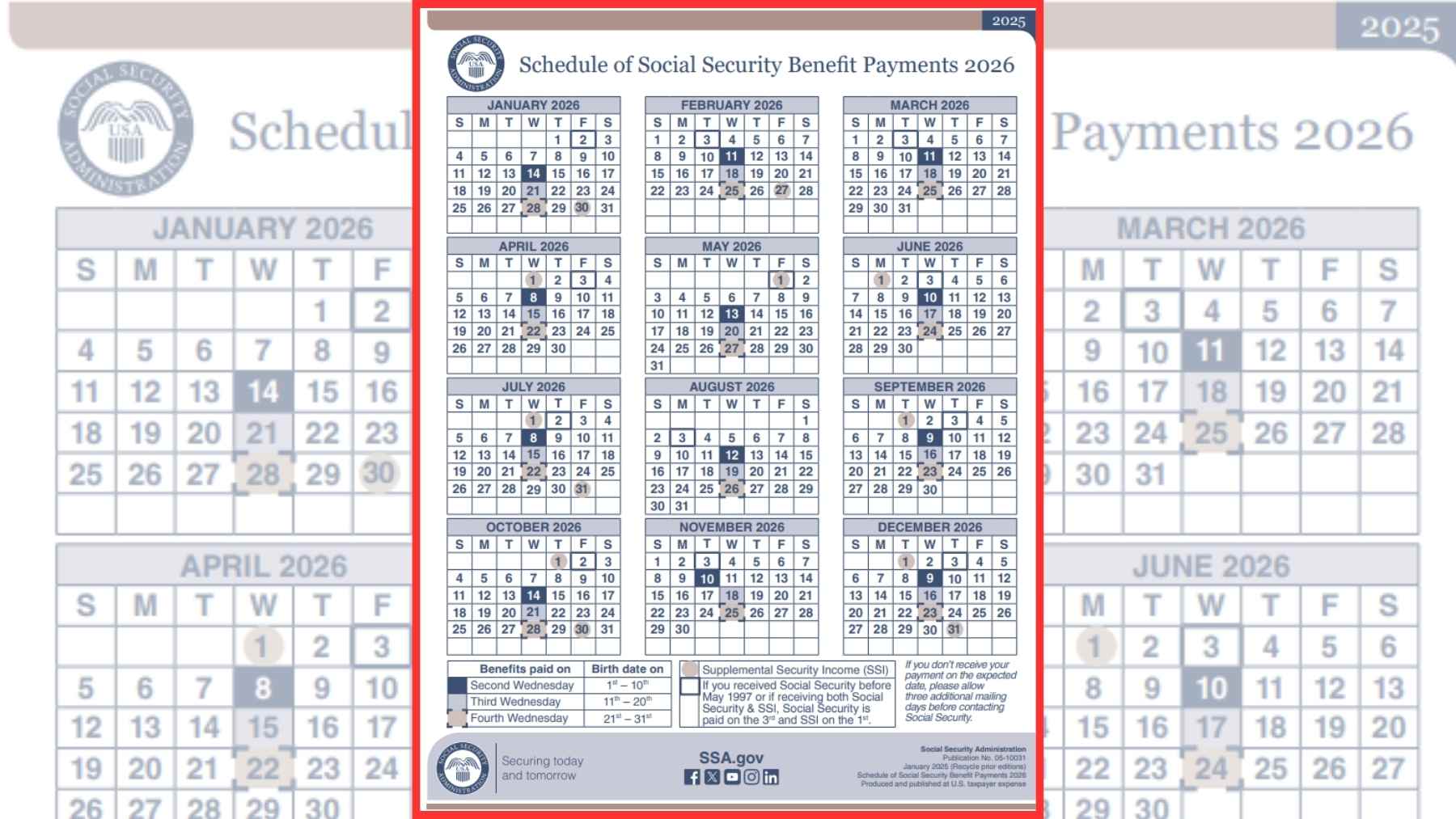
Scheduled payments for September 2024 will retain the age-based pay matrix, with payment to be made on the second, third, and fourth Wednesday of the month. This table shows consistent payments for most recipients, but there is a significant shift for pre-1997 retirees, who will receive their payments on September 3. Because September 1 is on a Sunday, the SSI pay, which is usually made on the first of the month, will be made on August 30.
In addition, the COLA for 2024 has led to a 3% increase in compensation for employees and a 3% increase in sen and supplier prices. This change will affect the September payments, and the average monthly benefits paid to all the recipients will stand at $1,782.74. Currently, it is expected that retired workers will receive an average of $1,919 every month, with disabled workers to be paid an average of $1,538.85.
These changes will take effect on September 30, 2024, but payment increases could begin earlier
The modifications outlined above pose the following key questions: The final rule for these changes shall be effective from September 30, 2024. Payment increases might start as soon as this October, though the exact timing has yet to be determined. This SSA is likely to release further information on how the new rules shall apply as the implementation date draws near.
The maximum age of disability for SSI claims continues to be as per the existing benchmarks. Applicants must be U.S. citizens, nationals, or residents who meet the residency requirements, and must be blind, disabled, or 65 years of age or older with limited income and resources. The applicant must also be a resident of any of the states in the United States, the District of Columbia, or the Northern Mariana Islands.
Changes to Social Security programs could make benefits more accessible and support more people
Therefore, the recently declared alterations of the Social Security programs, especially SSI, signify a drastic departure from prior practices by altering the methods of calculating and disbursing the benefits. The envisaged changes are meant to extend coverage, boost revenues, and make the program easily accessible to many more people in America.
Although the cumulative effect of these changes is in question, they may help protect economically endangered groups with the funds they desperately need. Depending on the specific provisions of this legal act, its implementation will introduce changes that should be communicated to the beneficiaries and potential applicants before the implementation date. Its accountability for making systematic shifts to enhance access to the necessary benefits shows the SSA’s continued efforts to meet the dynamic needs of American society.