In an uncommon event this August, some Americans will receive their Social Security pay for the second time, which only occurs once in a blue moon as far as the provision of the benefits is concerned. It is shocking, coming from a loophole in the system that has impacted millions of recipients, not to mention the complicated structure of the Social Security Administration payment system.
This extra payment has caused controversy among beneficiaries, especially financial experts, about whether it will affect recipients’ budgets and the future of the Social Security system. While this does represent a temporary shift for retirees and people with disabilities, it serves as a reminder of the dependency they have on societal benefits and the complexity of one’s benefit schedule and financial planning in an uncertain economic climate.
Mark your calendar: this early payment in September can help cover your expenses sooner
The second payment is due on September 1st, a Sunday that resulted in early issuance of SSI benefits. This early payment means that the recipients can access their money before the weekend, which speaks volumes of the Social Security Administration concerning the timely delivery of benefits.
Occasional two payments per month do not indicate extra payments, but a part of the following month’s payment, which was made earlier because of the monthly schedule, conflicts with the regular benefits. This adjustment highlights the leeway within the Social Security system to address interruptions that may be brought about by either the weekend or any form of holiday so that the beneficiaries can meet their financial obligations on time.
Impact of this dual payment system: how 4 million Americans will be affected this August
A dual payment system will impact the undefined 4 million Americans who collect SSI benefits in August. The first check was ready on August 1st, and the second check was to be delivered on Friday, August 30th. This arrangement impacts the cash flow of the recipients, making it easy for them to spread their cash out to cover the gaps as they wait for the next payment.
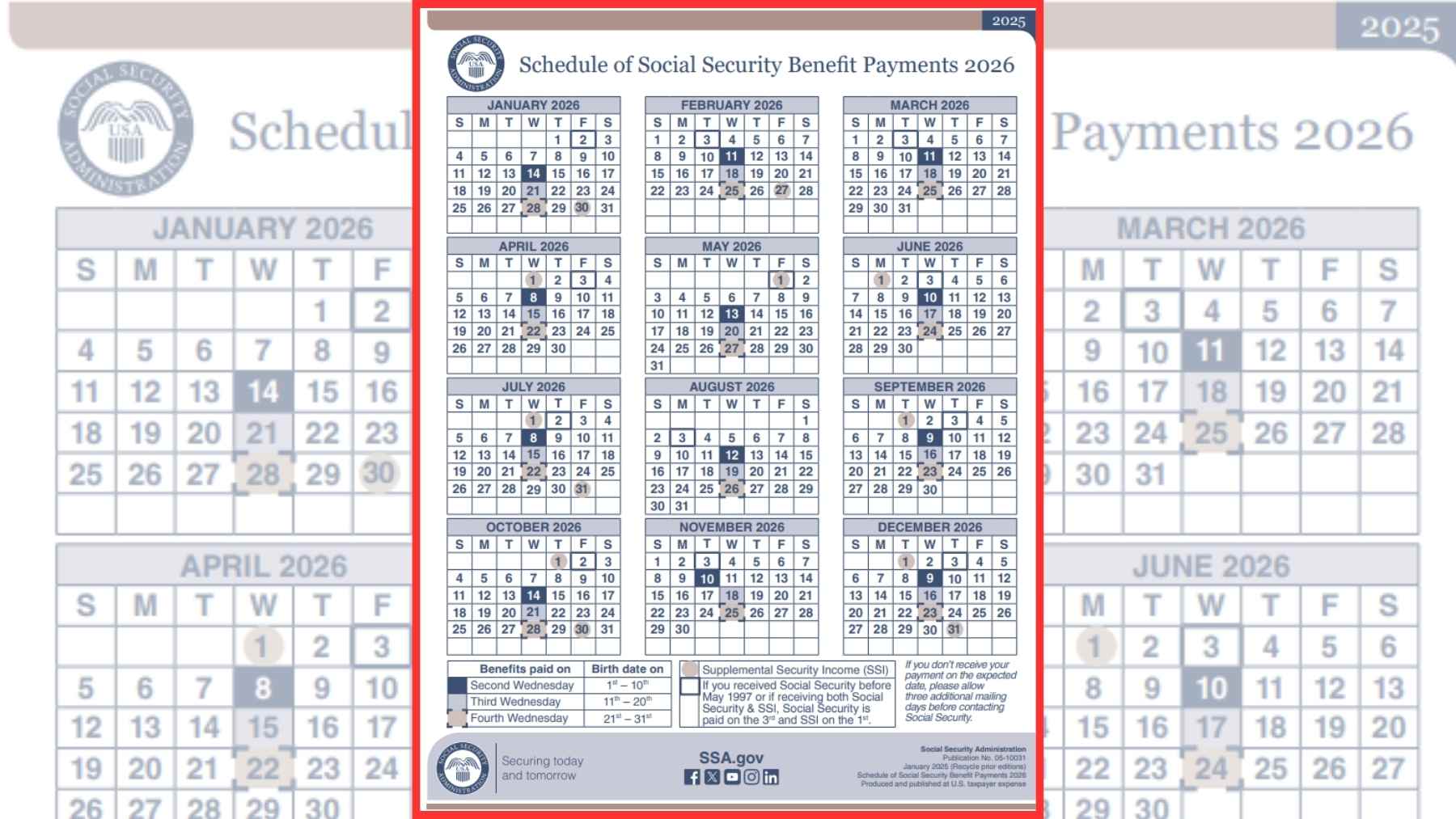
Other categories of beneficiaries also continue to receive their checks according to the Social Security Administration’s regular schedule of payments on the second, third, and fourth Wednesday of the month based on the payees’ birthdays. Following the mentioned peculiarity, financial literacy is crucial for beneficiaries as they have to adjust to paying utilities sporadically while continuing to meet their monthly needs and obligations.
COLA increase for 2025 might not be enough: here’s how inflation could impact your Social Security benefits
Besides experiencing a second payment, many Social Security recipients struggle financially. Another recent survey showed that only 38% of seniors are content with the 3. 1.75% COLA for 2024, citing some of their challenges as high inflation and increased cost of necessities such as food, electricity, and health.
This frustration has prompted retirees to look for employment opportunities after receiving their Social Security checks, and 20% of the recipients plan to work because of the small raise. In the coming years, estimations point to a possible minimum 63% COLA for 2025, which would be lower than the current inflation rate.
This may put more pressure on the financial situation of the beneficiaries. The increase in benefits and actual cost of living is still challenging because Social Security cannot offset the expenses for many retirees and disabled persons.
Financial savvy is key: why this extra Social Security payment could help with rising costs but not solve every problem
Therefore, it remains unclear how several Social Security payments will occur, perhaps only the second one in August 2024, as the benefit distribution remains intricate and financially stressful for payees. This extra payment offers some relief and starts to answer questions about living expenses for some retirees and disabled individuals, but raises questions about overall COLA deficiencies and the inflation rate that many recipients face.
While attempting to overcome these challenges, the Social Security Administration has placed out the payment schedule, and recipients must ensure they are financially savvy and current with any changes. The examples are a potent reminder of the importance of Social Security in the lives of millions of Americans and a clear call to know and continually assess the dynamics of the system needed to serve beneficiaries best.