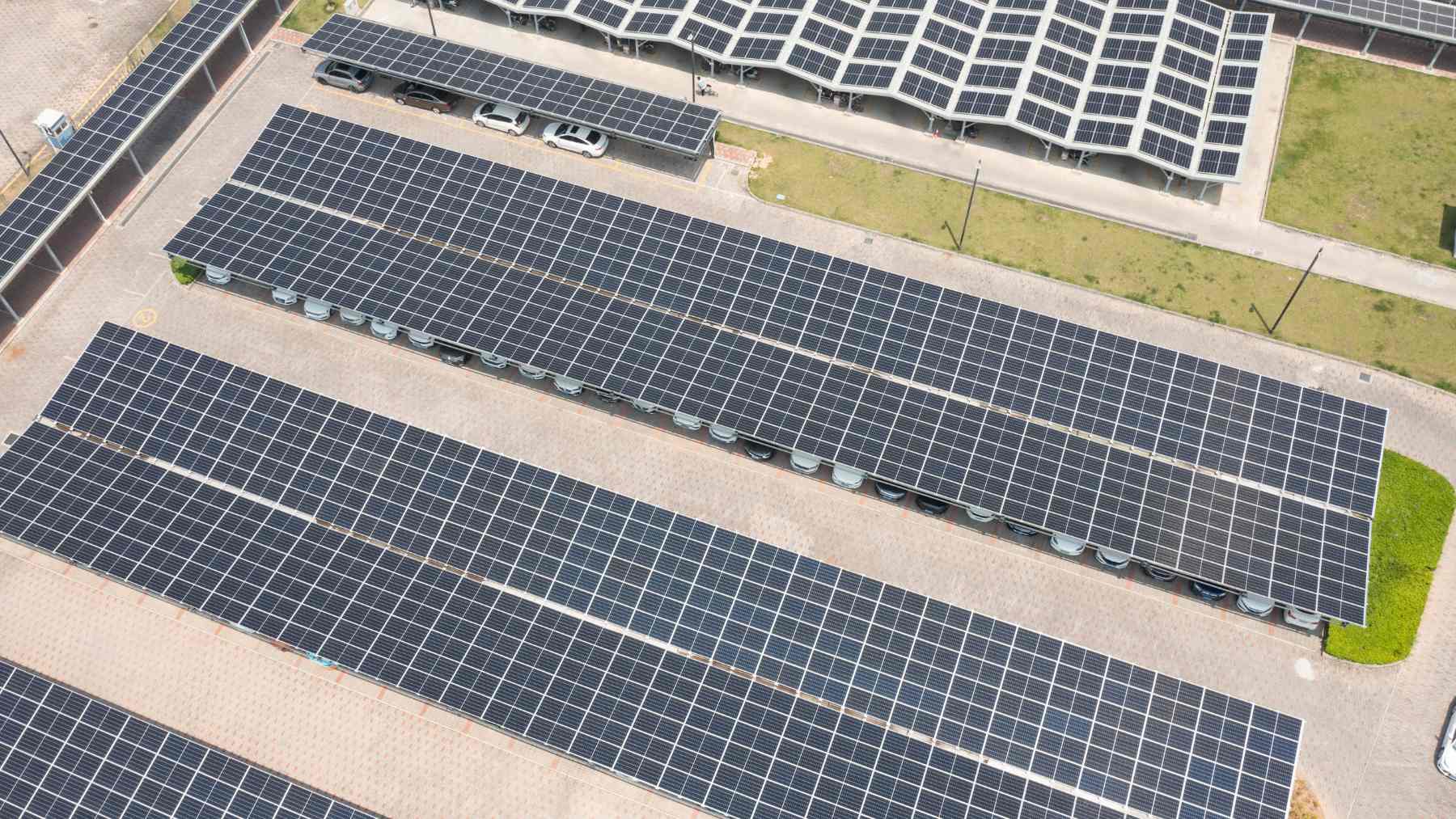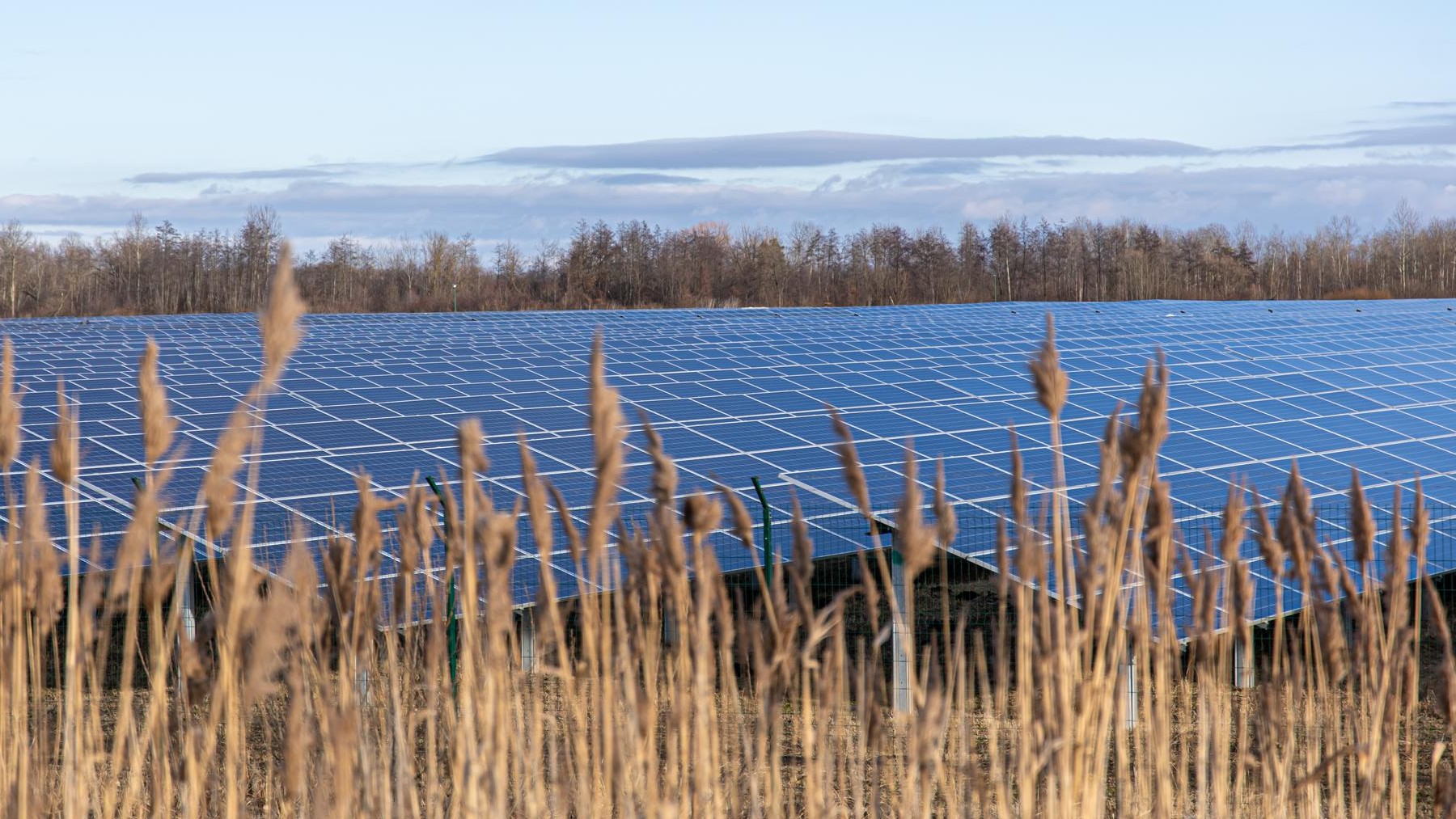
Solar energy in agricultural areas offers a sustainable and cost-effective solution for farmers, allowing them to diversify their income and reduce their dependence on fossil fuels. By installing solar panels on agricultural land, available space is utilized without compromising crop production.
Learn about the multiple benefits of solar energy in the agricultural sector
Solar energy can power irrigation systems, storage and other farm energy needs, increasing efficiency and productivity. With the backing of the European Union, researchers in Portugal have developed innovative technologies that make the adoption of solar energy even more attractive.
Their approach has significantly reduced installation and operating costs, resulting in a return on investment in less than five years. This offers a promising future for the combination of agriculture and solar energy, driving the transition to a more sustainable and efficient agricultural model.
Agri-PV, the project that rises as the best option
In the field of energy innovation, Agri-PV stands as a shining example of collaboration between agriculture and solar technology. From its modest beginnings in the 1980s to its rapid growth in recent years, this technique has caught the attention of visionary researchers at the University of Lisbon and the Military Academy, who are driving this promising green revolution. By combining the sun’s energy with fertile soil, Agri-PV not only harvests electrons, but also a bountiful and sustainable crop.
By illuminating fields with solar panels, they are sowing the seeds of a brighter, more prosperous energy future, where every ray of sunlight feeds both plants and communities. In a world thirsty for innovative solutions, Agri-PV shines brightly, showing the way to a renewable harmony between nature and technology.
The Portuguese researchers were motivated to explore the potential of Agri-PV in their home country, with the aim of understanding its viability and how it could revolutionize energy and food production. Portugal stood out as the perfect location for this study, as it has a sunny climate optimal for solar power generation and an extensive area dedicated to agriculture, representing approximately 12% of the national territory.
This combination makes Portugal a vast and natural experimental laboratory for this specific project, as its natural confirmation offers an ideal environment to test this innovative proposal of integration between agriculture and solar energy.
What is the purpose of installing solar panels in the agricultural sector?
The purpose behind the AgriPV study is to create a win-win situation. In this innovative approach, we are dedicated to understanding both agriculture and photovoltaic production separately to get a clear picture of the results. By combining the benefits of both components, we were able to identify a significant reduction in the initial investment and the time required to recoup it, whether in distributed ground-mounted installations or on elevated structures.
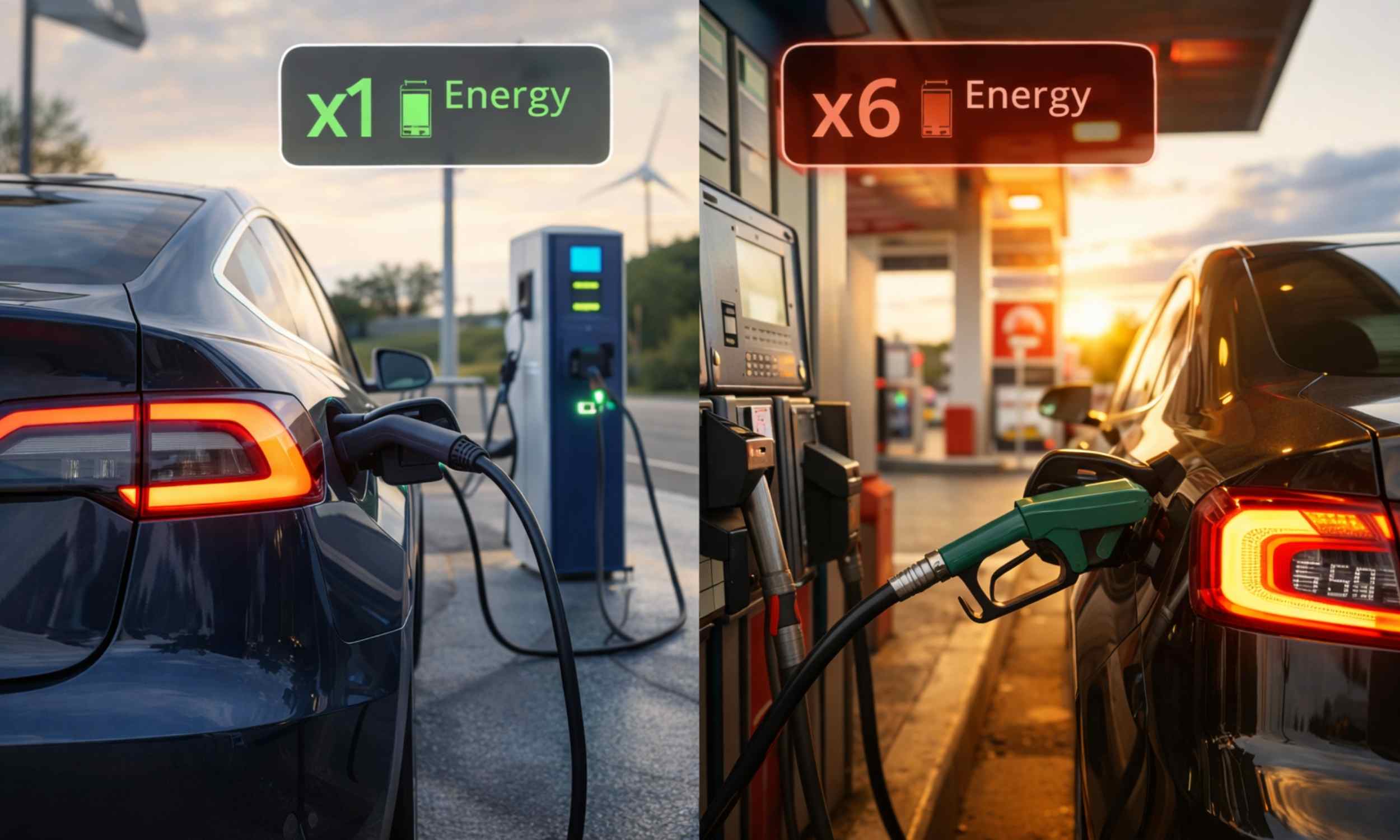
This transition will not only change the way we obtain energy, but will also offer farmers a new source of income and reduce the heavy dependence on fossil fuels, which have become a major environmental hazard due to the high level of pollution they produce.
The combination of agriculture and solar energy, known as the Agri-PV project, promises a sustainable and cost-effective solution for both sectors, backed by technological advances that are paving the way for a brighter and more prosperous future.