As California strives to meet its ambitious clean energy goals, it has encountered an unexpected challenge: too much solar power. The state has also put a lot of capital into renewable energy generation, specifically solar farms, and is currently struggling to come to terms with the consequences of overcapacity. This situation is hampering the state government’s ability to harness its clean energy and increasing electricity tariffs for users.
What is California’s solar power surplus costing the people?
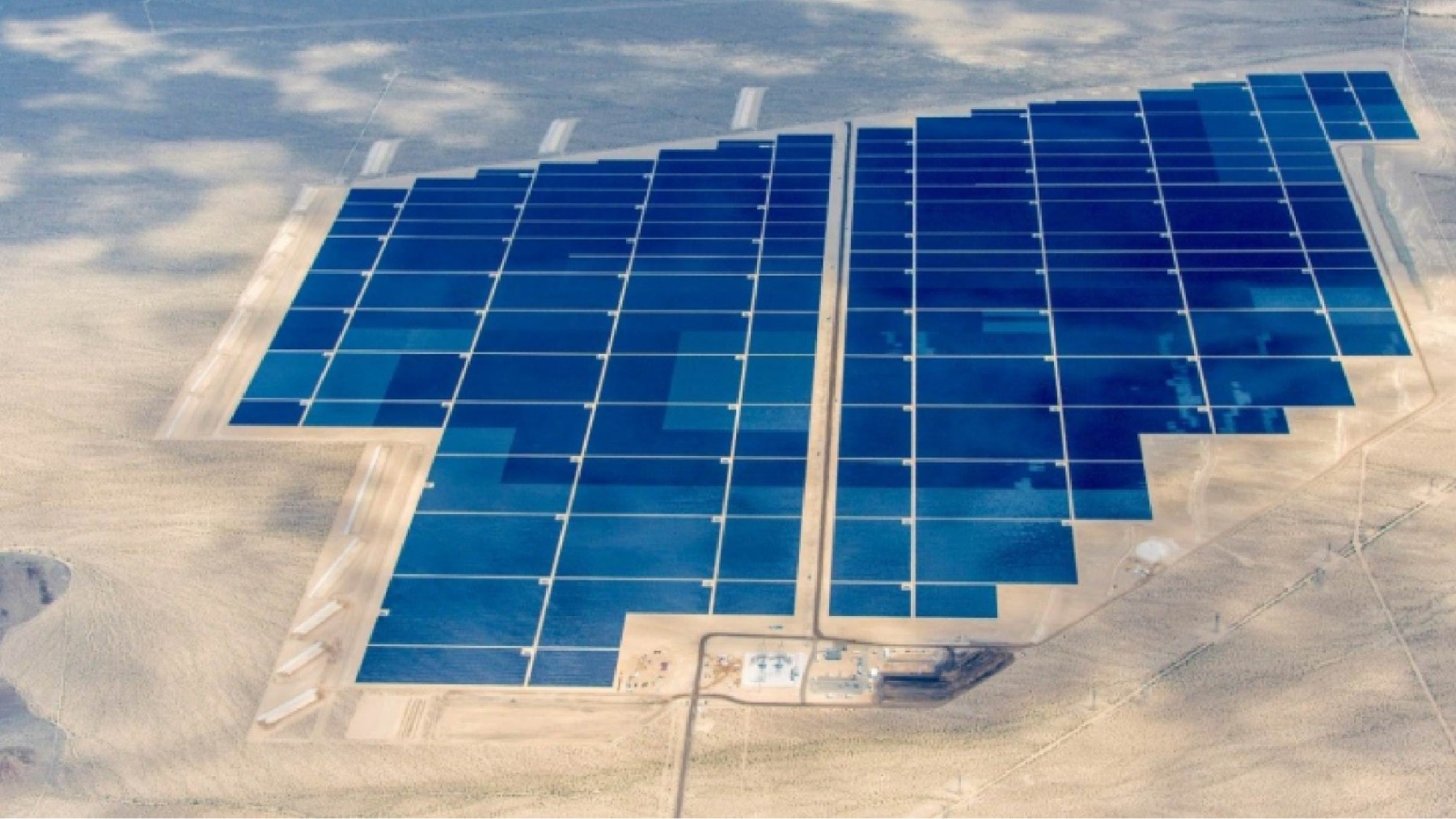
California has emerged as the leading state in producing solar energy, with more solar energy than the rest. But this has been achieved at a cost. In the last year alone, the state limited more than 3 million megawatt hours of solar energy to light 518,000 homes annually. This oversupply is not a mere annoyance; it has become a problem putting a heavy load of extra expenses on the Californian people who already pay some of the highest electric tariffs in the United States.
This overproduction of solar electricity happens when the sun is scorching, and people do not need electricity as much. During these periods, the grid in the state collapses, and utilities are left with no option but to pull the plug on solar farms. However, this energy, purchased by ratepayers, is sometimes never used.
The loss of solar energy has, therefore, given rise to pertinent questions concerning energy consumption in California. Not only does the state suppress the use of solar power, but it has also been paying other states, including Arizona, to take this energy. Arizona’s utility companies were able to save millions of dollars by buying cheap or negative-priced solar power from California. At the same time, California ratepayers are paying for the energy they do not consume.
The situation highlights a fundamental problem in the state’s approach to renewable energy. Though California’s giant solar farms produce too much electricity, the means to store or transmit it are lacking. Therefore, the state’s aggressive clean energy plans are undermined as the inhabitants still experience increasing electricity prices.
The price volatility problem and its effects on California residents
In California’s electricity market, the price of power depends on the supply chain and demand. The phenomenon is evidenced by the fact that when there is an excess of solar energy, prices are likely to drop to the lowest or even go negative. This means that solar farms can end up paying traders for the power and paying them to take the excess. This might work for electricity traders and other utilities outside California, but it remains a financial drain for the consumers who are still paying for the energy.
Further, this price volatility puts the market in a position where the solar farms keep generating power even when the market is saturated. In some cases, they continue producing power at night when prices are harmful, which adds to the problem. These dynamics play a part in the rising cost of electricity bills for Californians.
The search for a solution to California’s solar power challenges
To manage this increasingly prevalent problem, California is beginning to build large-scale battery storage systems capable of storing the excess energy produced by the solar panels during daylight hours and releasing it during the evening when demand is highest. However, battery storage solutions do have their problems. Today’s technologies can only provide short-term energy storage, and increasing this time is expensive.
Yet, the state continues to press on for a carbon-free electricity grid by 2045. They point out that though the addition of solar and storage capacity is required, it may not be enough to do away with curtailments in the future. It could remain a problem unless California can enhance its transmission capacity and methods of energy storage in a big way.
In conclusion, California’s overreliance on solar power has led to an uncomfortable paradox: The state is abundant in clean energy, and what it gets is a squandered resource. In contrast, its people are the ones who suffer. While the state searches for answers, these policies persist in burdening ratepayers, leaving doubt on how feasible California’s energy transformation is.