Zero-emission mobility is one of the pillars supporting the ecological transition, so much so that there is international consensus. But what are the electric, hydrogen and even ammonia prototypes made of? We have yet to find one that is 100% clean and renewable, at least in its production. Until now, a group of engineers has managed to produce the strangest engine in history. Many are the experts who do not understand how it is working, at least, because it does it without this.
This engine is neither German nor Japanese: It’s one of the strangest prototypes
But this has not been the case, and this gap has been filled by Monash University in the development of the stainless magnesium engine, regarded as one of the most important discoveries in materials science and engineering. This advance is focused on the problem of corrosion control in a magnesium alloy, which, if solved, can revolutionize the use of these materials in such industries as automotive.
These include the lightweight feature that is known to have the highest strength-to-weight ratio among the common structural metals – magnesium alloys. They are also 33 % lighter compared to Aluminum and 75 % lighter than steel because of this; they are suited for applications that require low weight.
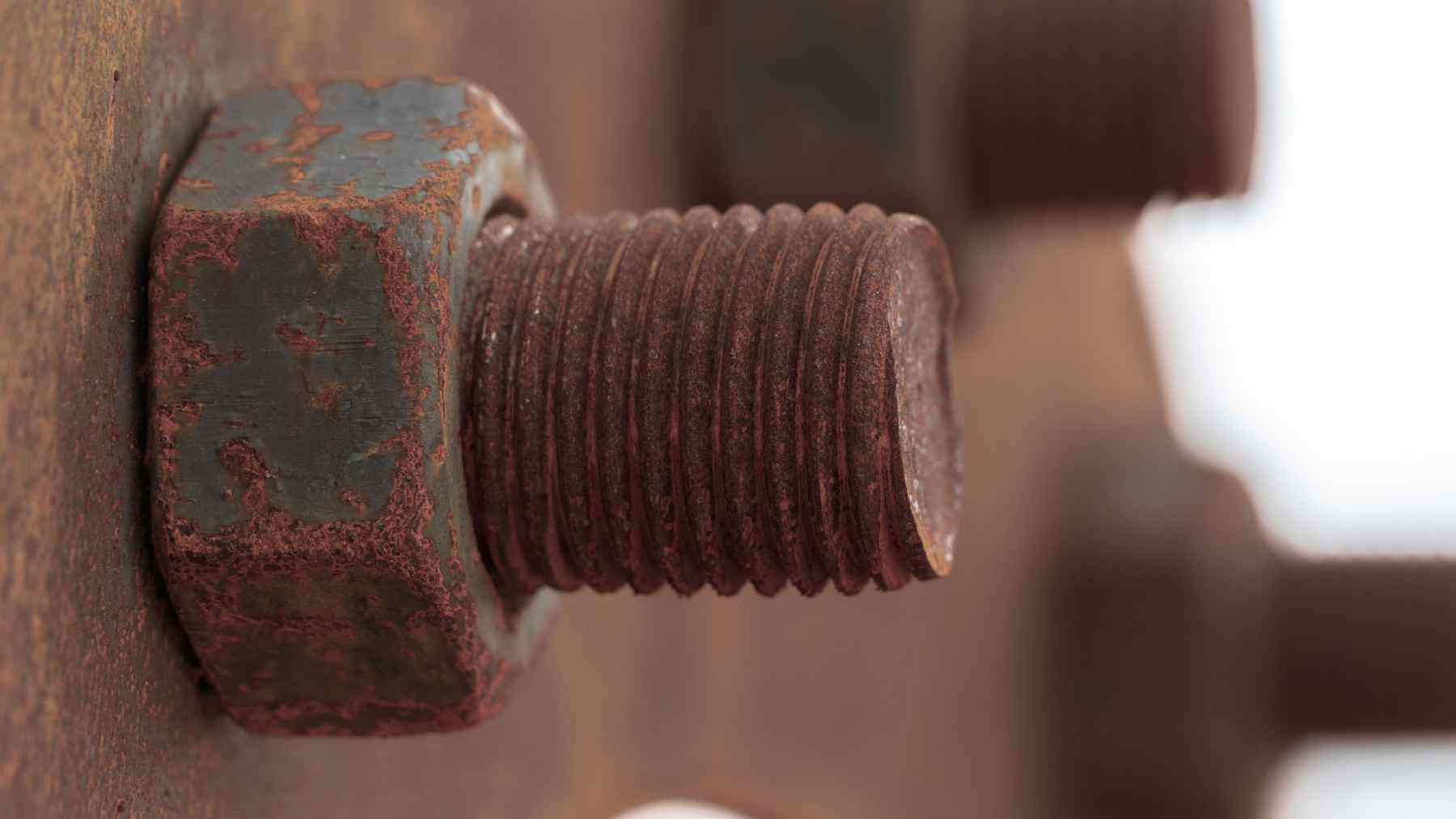
However, because of its corruptibility, it has not often been applied in various applications and systems due to the undermentioned benefits that come with its application. Cathodic poisoning, a technique developed by Monash University, is another strategy employed when incorporating magnesium to increase its levels of corrosion.
It’s better than the first stainless steel magnesium engine: The key is preventing the corrosion
The researchers discovered that by increasing the percentage of arsenic that is mixed in the alloy to a third of a percent, the corrosion rate fell drastically. This method employs the use of cathodic poisons, which engulf atomic hydrogen within the metal structure, thus having no possibility of producing the free hydrogen gas required for corrosive reactions’ manner.
The type of stainless magnesium that has been developed by Monash University has been found to have an extremely low corrosion rate, giving it a close rival to stainless steel as far as corrosion resistance is concerned, but it is almost half the weight of steel. Hence, this alloy offers better performance, especially for some automotive applications.
The development of new light-weight magnesium alloys with better corrosion protection means an excellent prospect for the saving of energy and a reduction in the exploitation of the external environment. The fact that the stainless magnesium is able to resist corrosion is due to the presence of a certain chemical makeup.
Whereas, the absence or inclusion of elements such as iron, nickel, copper, and cobalt promote corrosion at the active corrosion sites, and in the case of iron, this is controlled by the inclusion of manganese. The supplementation of arsenic in this process only strengthens the stability of the magnesium alloy by acting as a cathodic poison, thus preventing the corrosive operations.
Australia has unveiled the first stainless magnesium engine: These are future plans for commercialization
For stainless magnesium at Monash University, it required a lot of research and teamwork in order to build up the product. The team led by Director and Associate Professor Nick Birbilis spent most of their time attempting to tackle some of the most common issues facing magnesium alloys, which include high temperature creep, which has been contained in scandium, gadolinium, and calcium.
Improvement of corrosion control was done by a systematic search for the perfect composition of the alloys and the use of cathodic poisons. One sign of strong potential for commercial applications of the research is that it has attracted significant interest from large companies.
The results of the study have been published in the Electrochemistry Communications, and also on Monash University’s official webpage. They demonstrate the research of Monash University, the University of Wales, CSIRO, and the growing interest all over the world in the creation of materials that are more sustainable and efficient.
What is already known as the first stainless magnesium engine is, for the moment, an experimental prototype intended to investigate alternative materials for zero-emission mobility. However, it could open the door to true decarbonization, especially now that we have learned that green hydrogen is not so green, or that ammonia does not achieve 100% emissions reduction, two disappointments that still resonate in the industry.